Which works better — minoxidil or peptides? Minoxidil delivers faster, FDA-approved regrowth in 3–6 months for androgenetic alopecia and female pattern baldness. Peptides like GHK-Cu offer gentler follicle repair with fewer side effects. Many choose hair growth serums with Redensyl, Capixyl, or copper peptides as natural alternatives. Results vary by consistency and scalp type.
This covers minoxidil for women, best hair growth products, alternative to finasteride, and more. Direct answers first, then science and real tips.
Table of Contents
Is Minoxidil Safe for Women Hair Growth?
Women often turn to 2% or 5% topical minoxidil to tackle pattern hair loss. This treatment is backed by clinical evidence showing it can help reduce hair shedding and boost hair density over time.
Key Takeaways:
- If you have sensitive skin, it’s a good idea to start with the 2% formula to minimize the chance of scalp irritation.
- The 5% minoxidil is stronger and might provide quicker results for those experiencing moderate hair thinning.
- For optimal absorption, apply it once or twice daily on a clean, dry scalp.
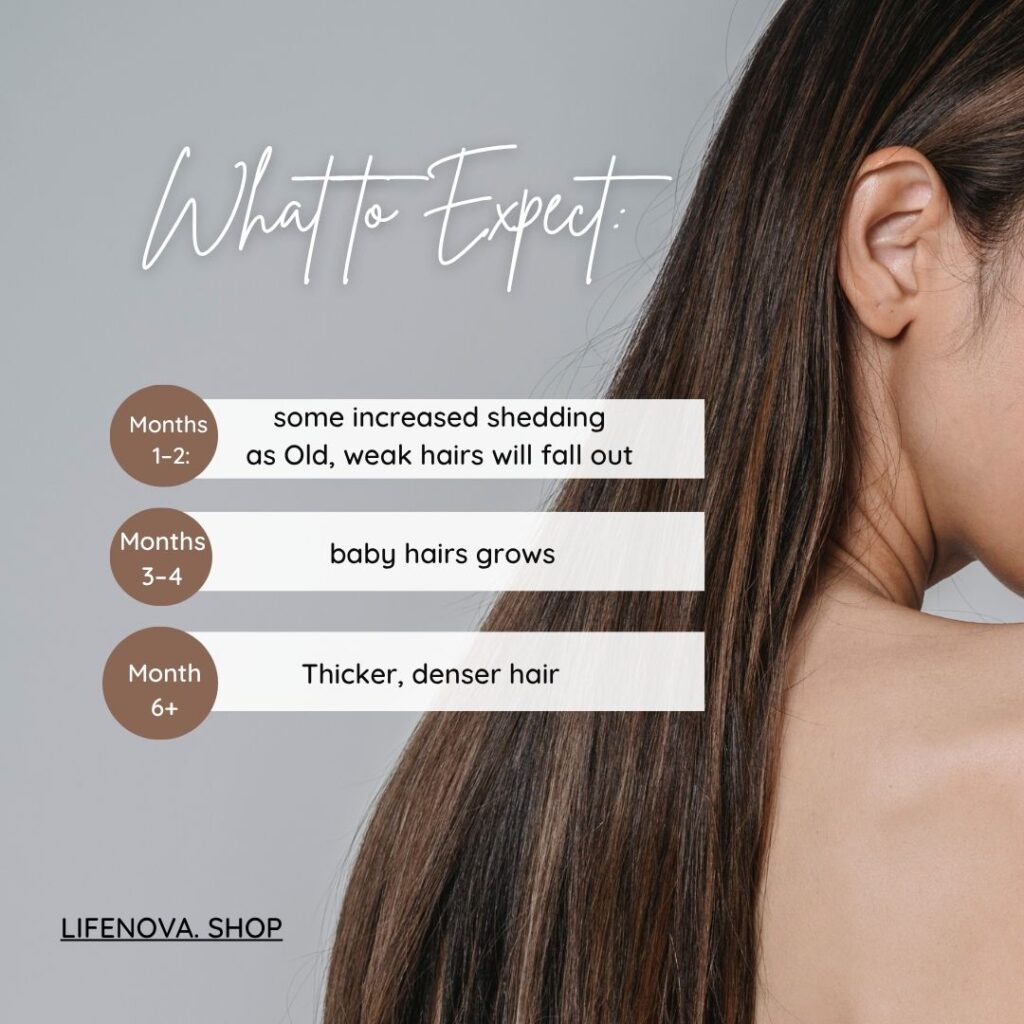
With consistent use, you can expect to see noticeable improvements in hair thickness within 3 to 6 months.
What Brands of Minoxidil Suit Sensitive Scalps?
Some women might find themselves dealing with dryness, itching, or flaking when they use topical minoxidil, particularly with liquid formulas that have propylene glycol. Switching to a foam version can really help minimize these side effects.
Recommended Brands:
- Rogaine Women’s 5% Foam — gentle, unscented, and a go-to choice for those with sensitive scalps.
- Hers Minoxidil Foam — recognized for its low irritation and modern formulation.
- Kirkland Minoxidil Foam or Up&Up Minoxidil Foam — budget-friendly options that deliver similar results.
Pro Tip:
If you start experiencing itching, dryness, or flakes, consider making the switch from liquid to foam. Foam tends to absorb more quickly and is usually less irritating, making it a great choice for long-term use.
How Does Topical Minoxidil Stimulate Hair Growth?
Simple mechanism:
- Boosts the delivery of nutrients and oxygen.
- Reduces the resting phase while extending the growth phase.
- Increases follicle size for thicker hair strands.
This approach helps combat hair shedding associated with androgenetic alopecia.
Does Combining Minoxidil with Derma Roller Work Better?
Boosting your routine with collagen support and microneedling (also known as dermarolling) can really enhance your hair regrowth results, especially when you pair it with minoxidil.
Study Insights: When you combine microneedling with minoxidil, you could see an increase in hair density of up to 35% in just 6 months, compared to about 15% with minoxidil on its own. Doing microneedling weekly (with a needle length of 0.5–1.5 mm) alongside daily minoxidil can lead to quicker and more noticeable regrowth.
- How to Use Safely:
- Use a 0.5–1.5 mm dermaroller once a week.
- Make sure to avoid applying minoxidil right after rolling.
- It’s best to wait at least 24 hours before using minoxidil to minimize irritation.
- Always remember to clean and disinfect your tools thoroughly before and after each use.
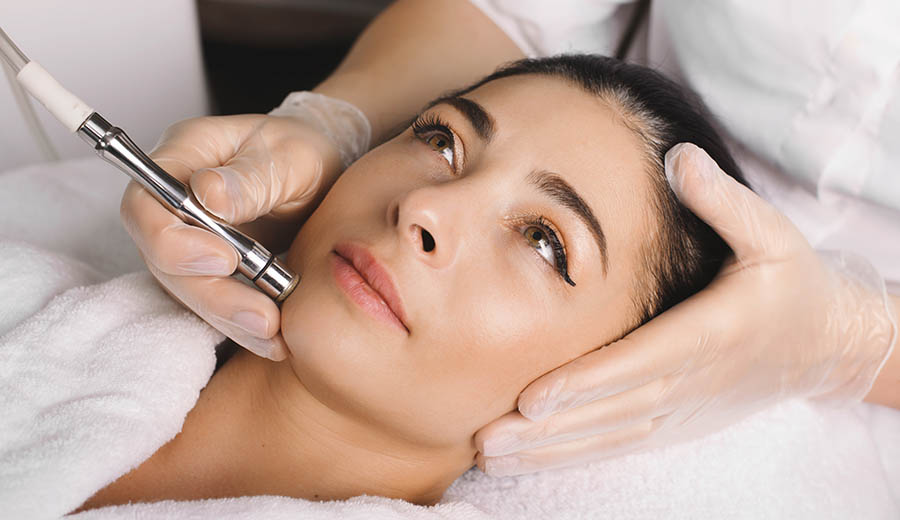
This expert-led course gives aesthetic professionals complete theoretical and practical training in collagen induction therapy. Learn skin anatomy, all microneedling indications, treatment protocols, safety guidelines, and live demonstrations of dermaroller, dermastamp, dermapen, and nappage techniques. Perfect for adding scar revision, wrinkle reduction, and hair restoration to your services.
💡 Microneedling helps stimulate collagen production and enhances absorption, making your treatments more effective over time.
What Are the Differences Between Foam and Liquid Minoxidil?
Deciding between foam and liquid minoxidil really comes down to your scalp’s sensitivity, your budget, and how you prefer to apply it.
Foam Benefits:
- Dries quickly and feels light on your scalp (no greasy residue)
- Lower chance of causing irritation, itching, or dandruff
- Perfect for those with sensitive scalps or short hair
- Free from propylene glycol, which can irritate some people
Liquid Benefits:
- Generally more budget-friendly than foam options
- Comes with a dropper for easy, precise application, especially for targeted areas
- Might penetrate a bit deeper in certain situations
Final Thoughts:
- Go for foam if you have a sensitive scalp, or if dryness and irritation are concerns.
- Opt for liquid if you’re looking for a more affordable choice or need to apply it precisely to specific thinning areas.
💡 Many users, especially beginners, find foam more comfortable and easier to stick with over the long haul.
What Are Common Minoxidil Side Effects?
While topical minoxidil is generally considered safe, some users might encounter mild or temporary side effects, especially when they first start using it.
Common Issues:
- Initial shedding: This is a normal part of the process that usually lasts about 2 to 6 weeks, as older hairs fall out to make room for new growth.
- Itching, dryness, or flaking: This can look a lot like dandruff and is often due to sensitivity of the scalp.
- Unwanted facial hair (in women): This typically happens when the product spreads beyond the scalp.
Tips to Minimize Side Effects:
- Consider switching to a foam formulation, which tends to cause less irritation and dryness.
- Be careful when applying to avoid getting it on your face or other areas.
- Use a gentle, hydrating shampoo to help manage any flaking.
How Long to See Results from Hair Thinning Treatment?
Can Minoxidil Cause Dandruff?
Yes, especially liquid form due to drying ingredients.
Solutions:
- Switch to foam.
- Use a gentle moisturizing shampoo.
- Add light scalp oil if needed.
Flaking usually improves with time or formula change.
How Much Minoxidil Should You Use?
Follow the label strictly.
Standard amount:
- Liquid: 1 mL twice daily.
- Foam: Half capful twice daily.
- Women: Often once daily with lower strength.
Massage into dry scalp. Wash hands afterward.
Are Minoxidil Results Permanent?
Absolutely, yes—if you want to keep seeing results.
Minoxidil works by encouraging and extending the hair growth cycle, but it doesn’t actually fix the root cause of pattern hair loss.
Here’s the reality:
If you stop using it, hair shedding usually kicks back in within 3 to 6 months.
Any hair that you’ve managed to regrow will slowly fall out if you don’t keep using it.
To maintain that density and thickness, you’ll likely need to use it long-term, often for life.
How Minoxidil Effects Eyebrows?
Minoxidil can be used off-label to enhance eyebrow growth. With careful application, it may help stimulate hair follicles and improve fullness over time.
Tips for Safe Use:
- Use a very small amount and apply with a cotton swab for precision
- Avoid contact with the eyes to prevent irritation or burning
- Apply only to the sparse areas of the eyebrows
Expected Results:
- Fuller, thicker brows may appear within 2–6 months of consistent use
For Mens’ Beard Growth
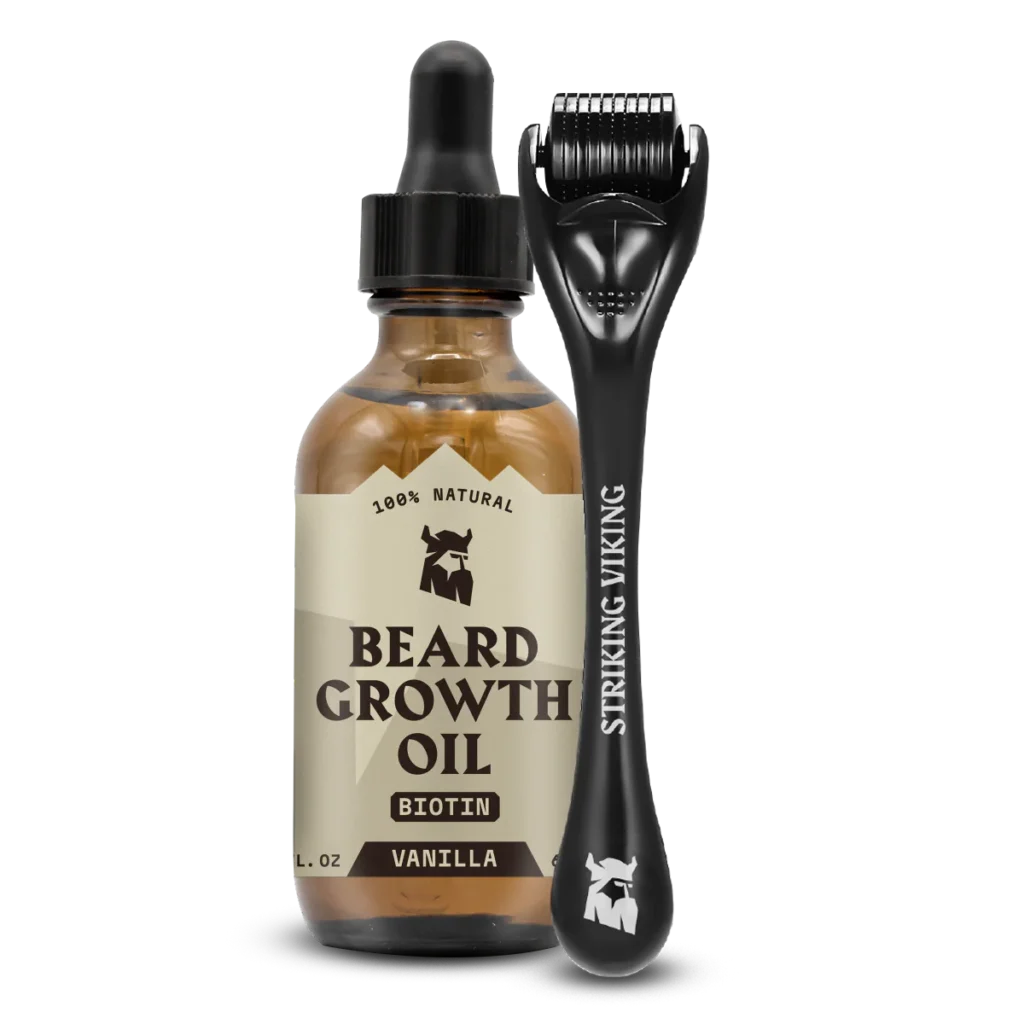
Minoxidil is one of the most effective off-label solutions for beard growth, and it works even better when combined with a quality Beard Growth Kit – Vanilla. Simply wash your beard with Beard Shampoo & Beard Conditioner and dry, then apply 1 ml of 5% minoxidil (or half a cap of foam) evenly on the beard area twice daily — morning and night, with a 12-hour gap. Let it dry for 10–15 minutes and avoid washing your face for at least 4 hours. Most users start seeing fine hairs in 1–2 months, thicker and denser beard growth in 3–6 months, and the best results after 6–12 months of consistent use.
Some shedding in the beginning is normal, and if you stop, a few new hairs may fall out, but longer use gives more permanent gains. Common side effects include dryness, itching, or redness, which can be reduced with a good moisturizer. Pairing minoxidil with the Beard Growth Kit – Vanilla helps nourish the skin and support healthier growth.
What Are the Best Natural Alternatives to Finasteride?
A lot of folks are on the lookout for natural or low-side-effect alternatives to the usual hair loss treatments. While these options tend to be gentler than traditional medications, they can still play a role in promoting hair health and minimizing shedding.
Top Natural Choices:
- Saw palmetto & pumpkin seed oil: These act as mild DHT blockers, and some studies suggest they might help slow down hair loss.
- Green tea extract (EGCG): Packed with antioxidants, it may support follicle health and help reduce inflammation.
- Peptide blends & plant-based serums: Ingredients like Redensyl, Capixyl, and Procapil are designed to stimulate hair follicles and boost hair density.
Real Mini Case Studies
Several studies and user experiences shed light on how mixing therapies or opting for natural solutions can really help with hair growth.
- Microneedling + Minoxidil + Copper Peptides (2025 Study)
In this study, men participated in weekly microneedling sessions alongside daily applications of minoxidil and copper peptides.
After 5 months:
- Hair regrowth on the top of the scalp increased by 35.5%
- SALT (Severity of Alopecia Tool) scores showed a significant drop
- No scarring or major side effects were reported
- Daily Peptide Serum for Women
One woman incorporated The Ordinary Multi-Peptide Serum into her daily routine.
Results:
- By month 2, baby hairs started to fill in her hairline
- By month 3, her hair felt noticeably thicker
- She experienced zero irritation, even on her sensitive scalp
- Natural Approach to Avoid Side Effects
A man decided against finasteride because of its potential sexual side effects. Instead, he consistently used a mix of pumpkin seed oil, saw palmetto, and a peptide serum.
After 4 months:
- He maintained his hair density
- Shedding was reduced
- He enjoyed a routine free from side effects
These examples illustrate that combining microneedling, peptides, or natural DHT blockers can lead to impressive results—even for those who are sensitive to conventional medications.
Part 2: Lifestyle, Scalp Care, and Advanced Support
1. Protective Hair Styling and Daily Habits
- Avoid tight hairstyles like ponytails, braids, or buns that pull on follicles (traction alopecia).
- Minimize heat styling with straighteners or curling irons to prevent hair breakage.
- Sleep on satin or silk pillowcases to reduce friction overnight.
- Use gentle detangling techniques with wide-tooth combs to avoid unnecessary shedding.
2. Scalp Microbiome: How It Affects Hair Health
- A healthy scalp microbiome supports strong hair growth.
- Overwashing or harsh shampoos can strip natural oils and disrupt beneficial microbes.
- Mild shampoos with probiotics or prebiotics help maintain a balanced scalp environment.
- Avoid frequent antibacterial shampoos that can dry and damage follicles.
3. Environmental and Lifestyle Factors Influencing Hair Growth
- Smoking decreases blood flow to follicles and accelerates hair loss.
- Excessive alcohol can contribute to nutrient deficiencies, impacting hair health.
- Sleep deprivation increases cortisol, which can trigger shedding.
- Regular exercise improves circulation and hormone balance, indirectly supporting hair growth.
4. Stress-Related Hair Loss: Understanding Telogen Effluvium
- Stressful events, illness, or surgery can trigger telogen effluvium, causing temporary hair shedding.
- Shedding usually lasts 3–6 months but is reversible.
- Management strategies include stress reduction, meditation, adequate sleep, and maintaining hair treatments to support regrowth.
5. Seasonal Hair Care Tips for Stronger Hair
- Winter: Dry air can worsen scalp dryness—use gentle hydrating shampoos or oils.
- Summer: UV rays can weaken hair—wear hats or use protective sprays.
- Seasonal shedding is normal; it usually resolves with consistent care.
6. Improving Hair Quality Beyond Growth
- Hair thickness, shine, and strength depend on nutrition, hydration, and scalp health, not just density.
- Topical serums with antioxidants (vitamin C, vitamin E, green tea extract) improve follicle strength.
- Avoid excessive chemical treatments such as bleaching or perming that weaken hair structure.
7. Technology and Innovative Treatments for Hair Growth
- Smart hair brushes or wearable scalp devices can monitor shedding and hair density.
- Topical nanotechnology serums increase absorption of active ingredients.
- Emerging peptides and growth factors are being researched to target follicle activation and boost regrowth.
Ready to fight hair loss? Start with what matches your scalp and goals. Track progress with photos. See a dermatologist for personalized advice on best hair loss treatment for you. Consistency beats everything — thicker, healthier hair is possible in 2026!
FAQs
Can peptides fully replace minoxidil?
They can for mild thinning or sensitive scalps. Minoxidil often acts faster initially.
Is GHK-Cu the best peptide for hair?
It ranks high. It boosts blood flow, repairs follicles, and reduces inflammation.
How do new hair growth treatments like Redensyl compare?
Blends with Redensyl, Capixyl, and Procapil show strong results in studies and suit those seeking alternative to finasteride.
How do new hair growth treatments like Redensyl compare?
Blends with Redensyl, Capixyl, and Procapil show strong results in studies and suit those seeking alternative to finasteride.
Are these safe with other products?
Yes. Pair with mild shampoo. Avoid harsh chemicals.
Best for female pattern baldness?
Minoxidil foam (2–5%) plus peptide serum. Add natural DHT support if needed.
Do results from hair growth serums last?
Maintenance use helps. Stopping any treatment usually brings back shedding.
