Overview
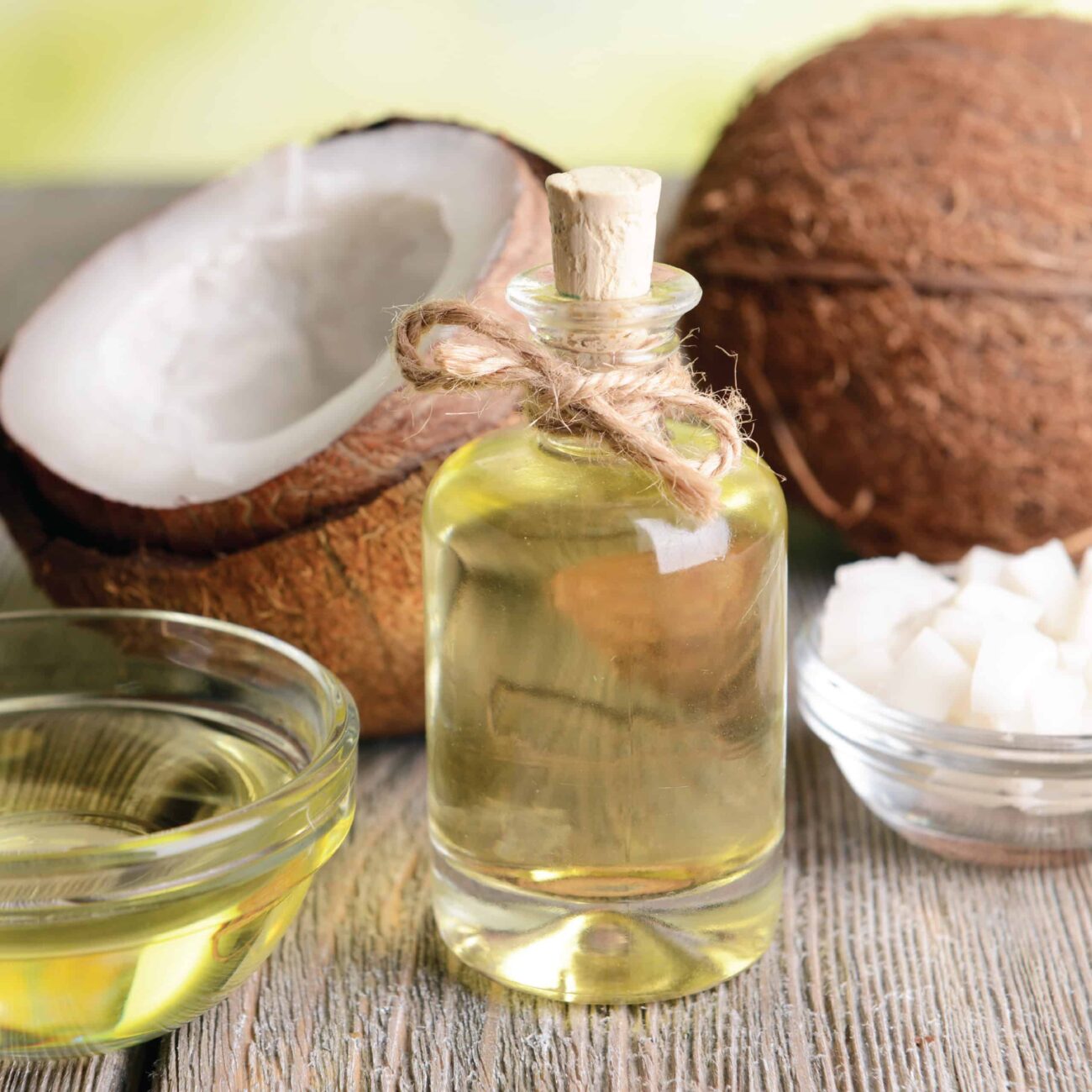
Although coconut oil for skin has grown in popularity in natural beauty regimens, it is still one of the most contentious ingredients in skincare products. Virgin coconut oil is thought to be comedogenic and can clog pores, but research indicates that it can increase skin hydration by 24.8% over a 28-day period. This tropical oil has special moisturizing and antibacterial qualities because it contains nearly 50% lauric acid and 90% saturated fat. However, dermatologists advise against using it on parts of your face, chest, or back that are prone to acne. I’ll go over the scientifically proven advantages of coconut oil for dry skin and ailments like eczema in this guide, along with any possible disadvantages you should be aware of and safe application techniques so you can make an informed decision.
Table of Contents
Understanding Coconut Oil: Types and Composition
Coconut oil extraction begins with the meat of mature coconut fruit, but the processing method determines what ends up in your jar and how it affects your skin.
Virgin vs Refined Coconut Oil: Which One Is Better for Your Skin?

Virgin coconut oil is extracted from fresh coconut meat by gentle techniques like centrifugation or cold pressing machine . Natural phytonutrients and antioxidants that support skin health are preserved by this minimal processing. The antioxidant content of refined and unrefined versions varies greatly, but they both contain triglycerides and offer the same moisturizing benefits.
After extensive processing with dried coconut meat, refined coconut oil is bleached and deodorized. Many antioxidants are eliminated during manufacturing by high temperatures. This produces a longer-lasting, neutral-scented product, but the refining eliminates advantageous compounds. Refined versions might absorb less well into the skin and have higher levels of trans fat.
I suggest using unrefined coconut oil for skincare because it contains polyphenols like ferulic acid, which fight free radicals and promote healing. Virgin oil works particularly well for dry or sensitive skin types.
What Makes Lauric Acid and Medium-Chain Fatty Acids Beneficial for Skin?
Eight different types of fatty acids make up about 90% of the saturated fat found in it. About 54% of the total fat content is composed of medium-chain fatty acids (MCFAs), with lauric acid accounting for the majority at about 50%.
Myristic acid (8%), caprylic acid (8%), palmitic acid (8%), and capric acid (7%) are additional important fatty acids. Each adds special qualities: linoleic acid improves the function of the skin barrier, while caprylic acid has antibacterial and anti-inflammatory effects.
Out of all the fatty acids, lauric acid exhibits the strongest antimicrobial activity. According to research, high MCFA coconut oil has 80% antibacterial activity against Escherichia coli and 90% against Staphylococcus aureus. These medium-chain fatty acids support the preservation of skin suppleness and elasticity.
Why Cold-Pressed Matters

Cold pressing extracts oil at room temperature using hydraulic pressure without added heat. This traditional method preserves vital nutrients, antioxidants, and the oil’s natural aroma. The process maintains the integrity of beneficial compounds that support skin health.
In contrast, expeller-pressed methods generate friction and heat during extraction, degrading nutrient content. Organic cold-pressed options avoid pesticides, chemicals, and additives, making them gentler on skin.
What are Benefits of Using Coconut Oil for Skin
Acts as a Moisture Sealant and Hydrator
Rather than being a conventional moisturizer, coconut oil is mainly used as an occlusive. Transepidermal water loss—the process by which moisture evaporates from deeper skin layers—is lessened by the protective layer it creates on skin surfaces. According to research, over the course of 28 days, virgin coconut oil increases skin hydration by 24.8%. Skin moisture rose by 100.36% after two weeks and 148.89% after four weeks in a four-week clinical study. Stronger barrier function was indicated by a decrease in transepidermal water loss of 27.70% at two weeks and 36.97% at four weeks.
After taking a bath, the oil works best on damp skin because it traps water against the skin’s surface. Research indicates that when it comes to treating mild to moderate dry skin conditions, it works just as well as mineral oil.
Antibacterial Properties Help Fight Skin Infections
Monolaurin, derived from lauric acid, displays antimicrobial activity by disintegrating lipid membranes of bacteria including Propionibacterium acnes, Staphylococcus aureus, and Staphylococcus epidermidis. Coconut oil in concentrations of 5% to 40% exhibited bactericidal activity against Pseudomonas aeruginosa, Escherichia coli, Proteus vulgaris, and Bacillus subtilis.
Notably, lauric acid shows over 15 times stronger antimicrobial properties than benzoyl peroxide, with significantly lower minimal inhibitory concentration values. In a study comparing virgin coconut oil to virgin olive oil for atopic dermatitis, only 5% of coconut oil users remained positive for Staphylococcus aureus colonies post-treatment versus 50% using olive oil.
Anti-Inflammatory Effects for Eczema and Dermatitis
Virgin coconut oil suppresses inflammatory markers including tumor necrosis factor, the chemical messenger that instigates inflammation. In pediatric patients with mild to moderate atopic dermatitis, topical virgin coconut oil decreased disease severity and improved barrier function measurements. Coconut oil led to a 68% decrease in eczema severity, proving significantly more effective than mineral oil for treatment.
Accelerates Healing and Boosts Collagen
Virgin coconut oil promotes wound healing through faster epithelization. Histopathological studies reveal increased neovascularization, fibroblast proliferation, and pepsin-soluble collagen synthesis in treated wounds. Complete wound healing occurred by day 18 in rat studies due to wound contractions and infection prevention.
Comparison of Different Oils
| Feature | Virgin Coconut Oil | Jojoba Oil | Sunflower Seed Oil | Argan Oil |
|---|---|---|---|---|
| Best For | Dry, rough, flaky skin | All skin types, especially oily/acne-prone | Dry & sensitive skin | Dry, mature & dull skin |
| Comedogenic Rating | 4/5 (High) | 2/5 (Low) | 0-1/5 (Very Low) | 0/5 (Non-comedogenic) |
| Moisturizing Power | Excellent (Occlusive) | Good (Sebum-like) | Very Good | Excellent |
| Antibacterial | Strong (Lauric acid) | Mild | Mild | Moderate |
| Anti-inflammatory | Good | Good | Very Good | Excellent |
| Absorption | Slow, leaves slight film | Fast, non-greasy | Fast | Medium |
| Face Safe? | Not recommended | Highly recommended | Yes | Yes |
| Eczema / Dry Skin | Excellent | Good | Excellent | Very Good |
| Scent | Mild coconut | Odorless | Mild nutty | Nutty |
| Price | Very Affordable | Medium | Affordable | Expensive |
| Best Use Area | Body only | Face + Body | Face + Body | Face + Hair |
What Are the Drawbacks of Coconut Oil and When Should You Avoid Using It?
The comedogenic rating of coconut oil is 4 out of 5. This is because the fatty acids present in the oil, such as lauric acid, myristic acid, and palmitic acid, have comedogenic ratings of either 3 or 4 out of 5. The comedogenic rating of any acid or compound is determined by the size of its molecules. The large size of the molecules prevents them from being absorbed by the skin. The result is that they stay on the surface of the skin and trap the sebum within the pores. This leads to blackheads, whiteheads, and inflammatory acne. The use of coconut oil can also lead to the development of milia, a condition characterized by the formation of small bumps on the surface of the skin.
Why Not Recommended for Face, Chest, or Back
These areas have the maximum number of oil glands. Using coconut oil on the face gives a greasy look and aggravates existing spots. Even without applying it to the face, it causes spots on the chest and back.
Limited Sun Protection Value
Research indicates coconut oil provides only SPF 4 to 7 protection. This falls far below the FDA minimum recommendation of SPF 15 and dermatologist-recommended SPF 30. It offers inadequate UVA protection and can trap heat in skin after sunburn.
Potential for Clogged Hair Follicles
Excess application plugs follicles, causing folliculitis, an infection or inflammation of hair follicles. Areas with friction like thighs prove especially susceptible.
Who Should Skip Coconut Oil
Avoid coconut oil if you have oily, acne-prone, or very sensitive skin. Those with existing breakouts should skip it entirely.
Best Practices for Applying Coconut Oil to Your Skin
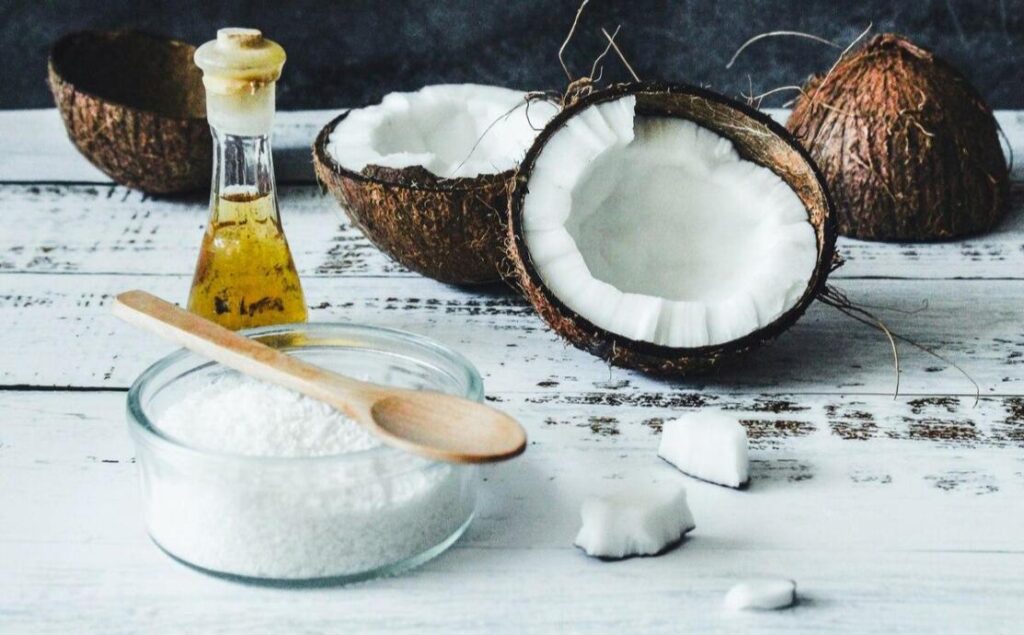
Just as the quality of the coconut oil is important, the way that you use it on your skin is also important. The first step in the best practices for using coconut oil on your skin is to make sure that the coconut oil that you are using is virgin or extra-virgin, meaning that it has the natural antioxidants and vitamins that are present in the oil. You should also look for organic coconut oils that are free of pesticides and chemicals, as well as cold-pressing, which does not subject the oil to heat that would damage the vitamins and antioxidants present in the oil, and make sure that the ingredients are not hydrogenated.
How to Choose Quality Coconut Oil Products
Make sure that the coconut oil is not hydrogenated and that it is food-grade, meaning that it has gone through the cold-pressing or expeller-pressing process.
Step-by-Step Application on Damp Skin
After your bath or shower, pat your skin dry with a towel until it is moist, but not wet. Rub a small amount between your palms, then apply it in circular motions over your body. This method will lock water in your stratum corneum. Do not apply moisturizer to your face, chest, back, or areas where hair is thick.
How Often to Use Coconut Oil
Dry to very dry skin types can apply coconut oil daily, both morning and evening. Those with oily skin should limit use to winter months.
Alternative Oils If Coconut Doesn’t Work
Sunflower seed oil can be used as a non-comedogenic moisturizer for acne-prone skin. Jojoba oil can be used as a substitute for skin oils without causing comedogenic problems. Argan, almond, sesame, and grapeseed oils have similar moisturizing properties with lower comedogenic ratings.
Conclusion
While it is a potent moisturizer and antibacterial agent for dry skin and eczema, it has a high comedogenic rating and should not be used on your face, chest, or back. Prior to using this oil, it is important to consider your skin type. If you have oily or acne-prone skin, it is best to look into alternative oils such as jojoba or sunflower seed oil. Overall, it is best to use this oil on areas of the body where dry skin is a problem, and it should be applied to damp skin following a shower.
Ready to give your skin a natural glow? Use pure coconut oil daily for deep hydration, smoother texture, and healthy-looking skin!
