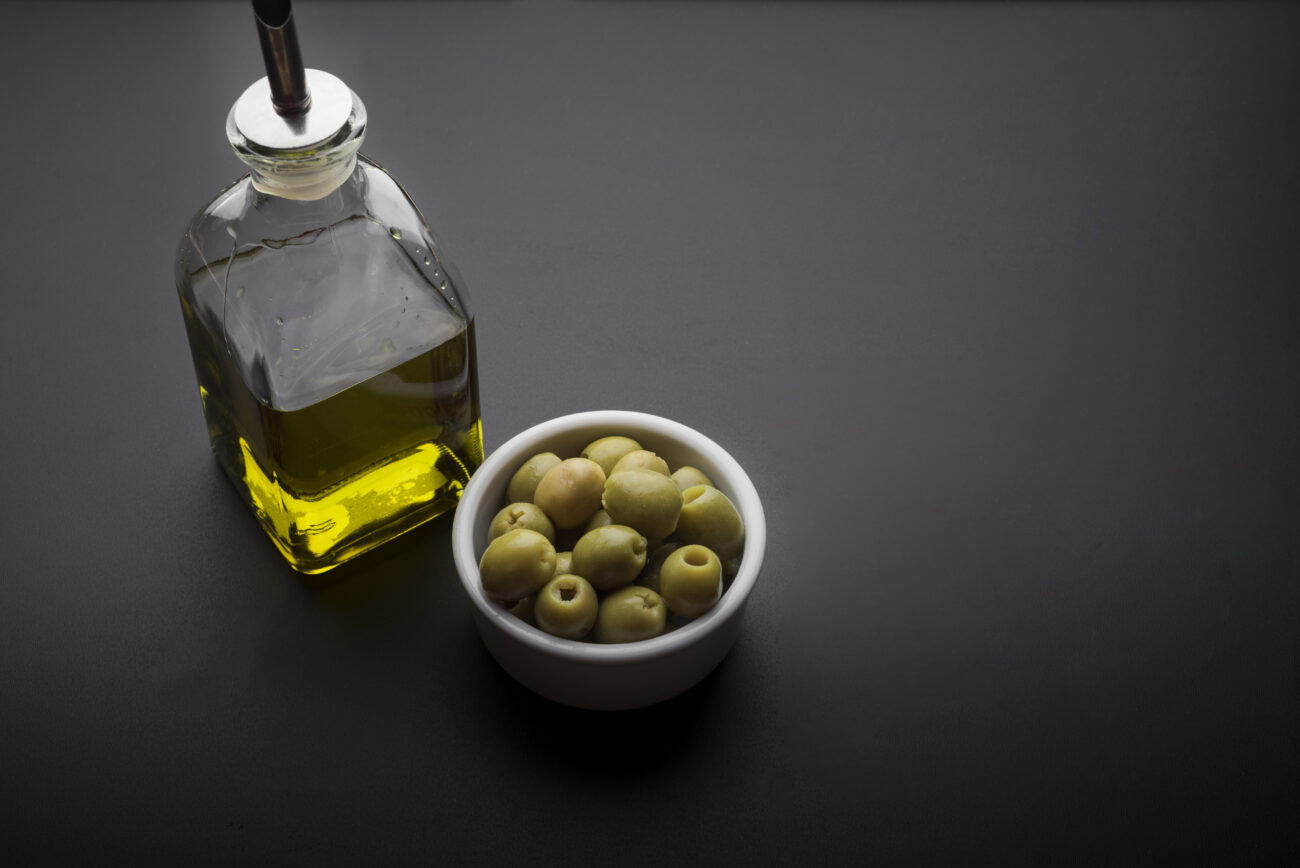
Are you on a lookout for a natural and cost-effective option for skin moisturizing, combating dry skin, or even attempting a DIY skincare regimen? Well, olive oil for skin care has been around for centuries, from traditional skin care in ancient Mediterranean regions to current times for natural skin care enthusiasts in Pakistan.
But is olive oil good for your skin? Is it helpful in skin whitening, anti-aging, and even combating acne? What about its side effects? Well, in this comprehensive article, we will be discussing all of this and more, including benefits for skin care, how to use it for skin care, suitable skin types, disadvantages, and more.
Table of Contents
Is Olive Oil Good for Your Skin? Right Skin Types
It compromises the sensitive skin of infants. It is better to consult a pediatrician and look for alternative options. It is best used for dry, mature, or sensitive skin. It is not recommended for oily and acne-prone skin.
How Is Olive Oil Made?
- Extra Virgin (EVOO / Unrefined): Made from fresh olives using only mechanical methods — harvesting, cleaning, crushing, malaxation (gentle mixing), and cold pressing or centrifugation. No heat above 27°C and no chemicals are used. This preserves nutrients and gives the best flavor and benefits.
- Refined : Made from lower-quality virgin oil or olives that didn’t meet extra virgin standards. It undergoes high heat, bleaching, deodorizing, and sometimes chemical refining to remove defects, color, and strong taste. The result is a neutral, longer-lasting oil with fewer nutrients.

The Automatic Cold Press Oil Machine lets you extract pure, fresh olive oil at home using gentle cold-press technology. No heat, no chemicals — just natural, nutrient-rich extra virgin olive oil in minutes.
Key Takeaway: Choose extra virgin for skin, face, hair, and DIY masks. Refined oil is cheaper and better for high-heat cooking, but it loses most antioxidants and polyphenols.
What Makes Oleic Acid and Other Fatty Acids Beneficial for Skin?
Olive oil is about 98–99% triglycerides (fats), with oleic acid (a monounsaturated omega-9 fatty acid) making up 55–83% of the total fat.
- Oleic Acid (main component): Excellent emollient that deeply moisturizes, softens skin, and helps repair the skin barrier. It has anti-inflammatory properties that may soothe irritation and support elasticity.
- Other Important Fatty Acids:
- Palmitic acid and stearic acid (saturated): Help with moisturizing and creating a protective layer.
- Linoleic acid (polyunsaturated, small amount): Supports skin barrier function.
- Minor but Powerful Compounds (1–2% of the oil): Polyphenols (like hydroxytyrosol and oleocanthal), vitamin E, and squalene. These act as strong antioxidants, fight free radicals, reduce inflammation, and may help with anti-aging and skin health.
Research Note: The high oleic acid content plus polyphenols give extra virgin its moisturizing, anti-inflammatory, and protective effects on the skin. These compounds are mostly lost during refining.
What Are the Benefits of Olive Oil for Skin?
Extra virgin olive oil (EVOO) is rich in oleic acid, vitamin E, polyphenols, and antioxidants. It provides these benefits:
- Deep Hydration & Moisturizer — Locks in moisture, making it excellent for dry skin and skin dryness. It acts as a natural emollient, especially useful in Lahore’s dry winters.
- Anti-Aging & Wrinkles — Antioxidants may support collagen production, helping reduce fine lines and improve skin elasticity.
- Reduces Inflammation — It can soothe redness, itching, and mild irritation thanks to anti-inflammatory compounds like oleocanthal.
- Wound Healing & Skin Health — May help with minor cuts, rashes, or wounds by supporting skin repair.
- Gentle Makeup Remover — Excellent for removing makeup without harsh chemicals (oil cleansing method).
- Mild Spot Treatment — Some people use it on scars or dry patches, though results vary.
Note on Skin Whitening & Tanning: It does not significantly whiten skin or treat hyperpigmentation. Claims about “ skin whitening” or “skin tanning” are overstated. It offers very mild antioxidant protection but won’t lighten skin tone or safely promote tanning (and sun exposure with oil can worsen dark spots).
How to Use on Face and Skin
Follow these safe methods:
- Hand Cream or Body Massage Mix with a bit of beeswax or shea butter for a thicker cream. Perfect for rough hands or full-body massage.
- Overnight Treatment (for very dry skin only) Apply thinly on clean face before bed. Use a pillowcase you don’t mind staining.
- As Moisturizer for Dry Skin Apply 2–3 drops on damp skin after showering. Massage gently. Perfect for dry skin treatment at home.
- Olive Oil Face Mask
- Basic: Mix 1 tbsp olive oil + 1 tbsp honey + a few drops of lemon (optional). Apply 10–15 mins, rinse. Good for hydration.
- For anti-aging: Olive oil + mashed avocado or yogurt.
Pro Tip: Choose high quality extra virgin olive oil– Avoid refined or cheap versions for skincare.
Which Skin Type Is Olive Oil Right For
It suits dry, mature, or sensitive skin best. It provides excellent hydration for skin dryness and can calm skin rash or itching in some cases.
For Oily Skin or Acne-Prone Skin:
- No. It is recommended that people with oily skin avoid using olive oil on their faces. It can clog pores on oily skin and may worsen acne for some people.
For Normal to Dry Skin: Usually safe and beneficial when used sparingly.
Patch Test Always — Apply a small amount on your inner arm for 24 hours before using on face.
Olive Oil for Newborn Skin: Many traditional practices use it for baby massage, but recent studies suggest it may.
Does Olive Oil Clog Pores on Oily Skin?
Yes, it can. It has a mild to moderate comedogenic rating of 2. This implies that it has the potential of clogging pores and aggravating acne.
Is olive oil effective in treating acne? No. It is not recommended for people with acne-prone skin. This is because of the high levels of oleic acid in the oil.
| Feature | Extra Virgin Olive Oil (EVOO) | Mustard Oil (Pure / Cold-Pressed) | |
|---|---|---|---|
| Main Fatty Acid | Oleic Acid (55–83%) – deeply moisturizing | Erucic Acid (high %) + some oleic acid | |
| Antioxidants | Very High (polyphenols, vitamin E, squalene) | Moderate (some vitamin E, but fewer polyphenols) | |
| Anti-Inflammatory Effect | Strong (helps redness, itching, soothing) | Good (traditional use for pain & inflammation) | |
| Antibacterial Properties | Mild | Strong (natural antimicrobial & antifungal) | |
| Moisturizing Power | Excellent for dry skin, absorbs relatively well | Very good for deep nourishment & massage | |
| Comedogenic Risk (Pore Clogging) | Mild (Rating ~2) | Moderate to High – can clog pores easily | |
| Best For | Face moisturizer, makeup remover, anti-aging masks, dry skin | Body massage, dry/cracked heels, hair, traditional care | |
| Scent | Mild fruity or peppery | Strong, pungent, warming smell | |
| Skin Irritation Risk | Low to moderate (patch test needed) | Higher (can cause burning, redness, or allergy) | |
| Anti-Aging Benefits | Strong (antioxidants support collagen & elasticity) | Moderate (mainly from vitamin E) | |
| Traditional Use in Pakistan | Growing popularity for natural skincare | Very common for baby massage, body oiling & hair | |
| Safety Note | Generally safer for facial use | High erucic acid – best for external use only; dilute | |
| Price & Availability | More expensive, imported or premium local | Very affordable & easily available locally |
What are the benefits for hair?
Yes, extra virgin olive oil can moisturize dry hair, prevent breakage, add shine, and even soothe a dry scalp. However, it does not significantly stimulate hair growth or treat hair loss. It is best used for conditioning dry, damaged, or frizzy hair. Use cold-pressed extra virgin in a dark bottle that has a recent harvest date. Do not use refined one, as it has lost all beneficial antioxidants.
- Deep Moisturizing – Locks in moisture and conditions dry, brittle hair.
- Reduces Breakage & Split Ends – Hydrates hair, improving elasticity and preventing damage.
- Adds Shine & Softness – Smooths hair cuticle for a healthy, shiny look.
- Soothes Dry Scalp – May relieve itchiness and flakiness due to its emollient action.
- UV Protection – Antioxidants like vitamin E and polyphenols protect hair from sun damage.
- Mild Antifungal Effect – May be used to treat certain fungal infections on the scalp.
Note on Hair Growth: There is insufficient evidence that it has a stimulating effect on hair growth. Some research on mice has shown oleuropein has a supportive effect on hair growth.
What are the Benefits for Nails?
Yes, extra virgin olive oil can promote nail health by deeply moisturizing dry cuticles, strengthening brittle nails, and reducing nail breakage. It works best as a simple, natural treatment for dry, cracked, or damaged nails — especially in dry winter weather.
Extra virgin olive oil offers these key benefits for nails and cuticles:
- Deep Hydration — Locks in moisture to soften hard, dry cuticles and prevent cracking.
- Strengthens Brittle Nails — Oleic acid and vitamin E help improve nail flexibility and reduce splitting or peeling.
- Repairs Damaged Cuticles — Soothes inflamed or torn cuticles and supports healthy nail growth.
- Adds Natural Shine — Gives nails a healthy, glossy appearance without harsh chemicals.
Warm a few drops of extra virgin olive oil. Massage 1 drop into each nail and cuticle for 1–2 minutes every night before bed. No need to rinse.
Olive Oil in Skincare Products & Cosmetics
You’ll find many skincare products, facial products, and cosmetics with olive oil — from creams and serums to lip balms. These are often blended with other ingredients to reduce greasiness. Pure works well for DIY, but commercial products can be more convenient.
For Skin and Hair Care: It’s excellent for both! Use the same high-quality EVOO for hair masks (great for dry hair) and skin.
Olive Oil vs Coconut Oil for Skin
Both are popular natural oils, but they differ:
- Olive oil: Better for anti-aging, antioxidants, and inflammation. More fluid and easier to spread.
- Coconut oil: Better antimicrobial properties and super moisturizing. However, comedogenic (more likely to clog pores) and solid at cooler temperatures.
- Many people like olive oil for faces and coconut oil for hair/body. However, this depends on your skin type. Try both!
Best Olive Oil for Skin
Pick cold-pressed extra virgin olive oil. Look for:
- Dark bottle
- Recent harvest date
- Fruity smell with slight bitterness
For skin vs cooking: Use the same high-quality extra virgin for both. But buy food-grade for safety. Add use oil bottle while cooking.

Side Effects & Disadvantages of Olive Oil on Face
Be honest with yourself — if it isn’t perfect:
- Weakened skin barrier (may increase dryness or irritation over time)
- May cause mild irritation or redness.
- Greasy feel and potential to clog pores (especially for olive oil oily skin).
- Risk of allergies or worsening conditions like eczema in sensitive individuals.
- Applying olive oil on face overnight: Benefits hydration for very dry skin, but it can lead to breakouts or blocked pores for others. Use only 1–2 times a week max, and cleanse properly in the morning.
Important Disclaimer
This is not medical advice. it can help with general skincare but is not a treatment for acne, eczema, rashes, or serious skin conditions. If you have skin issues, consult a dermatologist. Do a patch test and stop if irritation occurs.
Final Thoughts: Should You Add Olive Oil to Your Routine?
Olive oil for skin shines as a simple, natural moisturizer for dry skin, makeup remover, and occasional mask — especially when using high-quality extra virgin. It offers real hydration and antioxidant benefits, but it’s not ideal for everyone (particularly oily or acne-prone skin).
Start slow, listen to your skin, and combine it with a good basic routine: gentle cleanser, moisturizer, and sunscreen.
💬: Have you tried olive oil on your skin? Share your experience in the comments! Which use are you most excited to try — face mask, moisturizer, or oil cleansing?
FAQs
How to use olive oil for skin whitening?
Olive oil does not whiten skin effectively. Use sunscreen daily and gentle exfoliation instead.
Is olive oil good for skin wrinkles?
It may help reduce fine lines gradually thanks to antioxidants. Results are mild and take time.
Olive oil for skin dryness or inflammation?
Yes — it hydrates well and may calm mild inflammation.
Olive oil for dry skin on dogs?
Some pet owners use it sparingly. Always check with a vet first.
