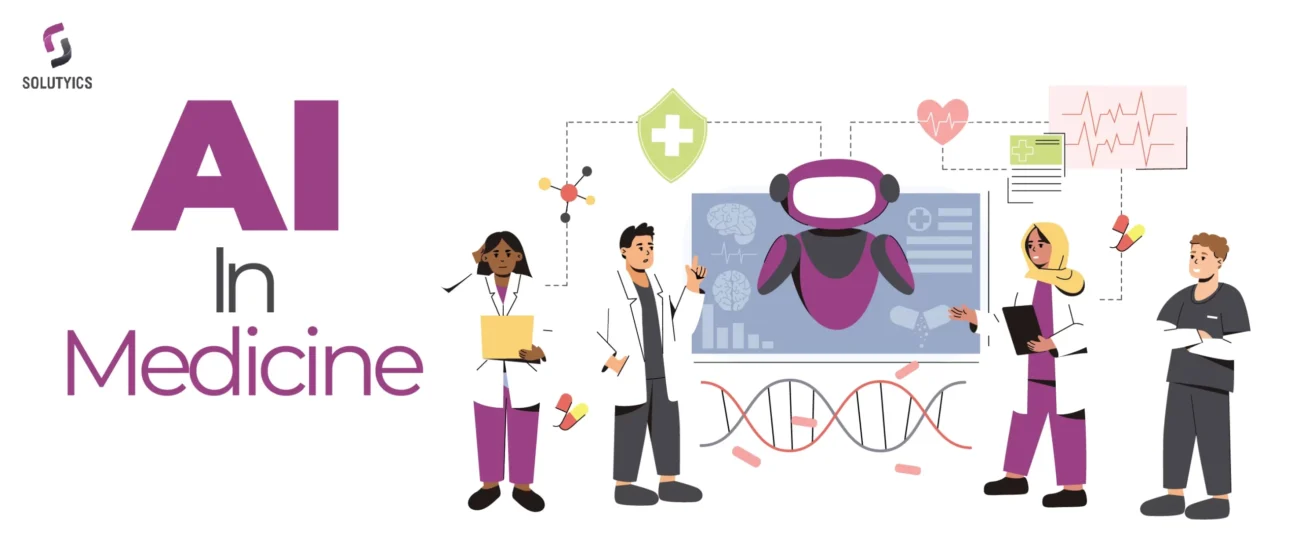
Artificial Intelligence (AI in Medicine) is revolutionizing the healthcare industry. From diagnosing diseases with medical imaging technologies like X-rays, MRIs, and ECGs to accelerating the discovery of new drug compounds, AI empowers healthcare providers to make faster, more accurate, and cosAI in Medicine: Real-World Uses & Future Outlook effective decisions. According to organizations such as the CDC (Centers for Disease Control and Prevention) and the Food and Drug Administration (FDA), AI-driven tools are transforming telemedicine, electronic health records, digital health technology, and patient care.
History, Discovery, and Revolution of AI in Medicine
🕰️ The history of AI in Medicine began with simple algorithms designed to manage medical records 📑, helping doctors organize data more efficiently. As technology evolved, the rise of machine learning 🤖 and deep learning 🧠 opened new possibilities, allowing AI to assist in diagnostics 🔬, pathology 🧫, and radiology 🩻 with higher accuracy than ever before. Today, this revolution has reached remarkable milestones — from robot-assisted surgeries 🏥, to breakthroughs in genomics 🧬, personalized medicine 💊, and drug discovery ⚗️. AI is no longer just a supportive tool; it has become a powerful partner in shaping the future of healthcare 🌍✨.
📊 Statistics on AI in Medicine
The growth of AI in Medicine is nothing short of revolutionary 🌍. By 2030, the global AI in healthcare industry is expected to surpass $187 billion 💰 (Statista, 2024), proving how rapidly this technology is being adopted worldwide. In fact, more than 80% of hospitals in the U.S. 🏥 are already using some form of AI-powered healthcare tools 🤖, from managing patient records to supporting advanced diagnostics. Studies also reveal that AI reduces diagnostic errors by 30–40% 🔬📉 in critical areas such as radiology 🩻 and pathology 🧫, ensuring more accurate and timely treatments. These statistics highlight how AI is not just an innovation but a game-changer in modern medicine ⚡.
Applications of AI in Medicine
1️⃣ AI in Medical Diagnostics
🩺 One of the most powerful applications of AI in Medicine is in medical diagnostics. AI-driven tools help doctors detect diseases at their earliest stages ⏳, often before symptoms become severe. With the help of medical imaging 🩻 such as X-rays, CT scans, and MRIs, AI algorithms can quickly analyze images and highlight abnormalities that may go unnoticed by the human eye. In oncology 🎗️, AI is revolutionizing cancer detection, improving accuracy in identifying tumors and predicting disease progression. Similarly, in pathology 🔬, AI assists in the microscopic analysis of tissues and cells, reducing human error and providing faster, more reliable results. This makes diagnostics not only more accurate but also more accessible and cost-effective for patients around the world 🌍💡.
2. AI in Medicine: Drug Discovery and Development
💊 Traditional Drug Discovery vs AI-Driven Approach
Traditionally, discovering a new drug takes 10–15 years and costs over $2–3 billion 💰. Researchers must manually screen thousands of chemical compounds ⚗️, and preclinical studies and clinical trials involve long, expensive processes with high failure rates. Safety and efficacy issues are often discovered late in the process, leading to wasted time and resources ⏳.
In contrast, AI-driven approaches can analyze massive datasets of molecules, biological pathways, and patient information in a fraction of the time 🖥️. AI predicts which molecules are likely to bind to specific targets and simulates drug behavior in the human body before actual testing 🧬. This helps prioritize the most promising candidates for clinical trials, reducing failures, saving costs, and accelerating the drug development pipeline 🚀.
Key Applications of AI in Medicine: Drug Discovery
1️⃣ Identifying Active Compounds by AI in Medicine
AI uses machine learning and deep learning to scan large chemical libraries 📚, predicting molecules that could potentially act as drugs based on molecular structures and biological activity patterns. For example, instead of testing 10,000 compounds in a lab, AI might narrow it down to the top 50 candidates 🎯.
2️⃣ Predicting Safety and Efficacy through AI in Medicine
AI models simulate how a drug interacts with proteins, enzymes, and cells 🔬, predicting possible side effects or toxicities early on ⚠️. Techniques like computational biology, molecular docking simulations, and in silico trials make this process faster, cheaper, and safer.
3️⃣ Accelerating Clinical Trials through AI in Medicine
AI analyzes patient data to identify individuals most likely to respond positively 👩⚕️👨⚕️. This enables smarter trial designs, smaller sample sizes, faster results, and even predicts optimal dosing and drug interactions 💊.
4️⃣ Designing Drugs Against Resistant Pathogens
AI aids in creating next-generation antibiotics and antivirals 🦠. By studying pathogen genomes, AI predicts drug resistance mechanisms and suggests compounds to overcome them 🛡️—a crucial advantage in pandemic preparedness 🌍.
Real-World Example: AlphaFold
AlphaFold by DeepMind predicts the 3D structures of proteins from their amino acid sequences 🧬. Since proteins are the primary targets of most drugs, understanding their shape and structure is critical for designing effective medicines. AlphaFold has solved the structures of almost all known proteins, accelerating disease mechanism understanding, drug design, and reducing trial-and-error experiments in the lab 🔬. This breakthrough allows drugs that traditionally take years to develop to be conceptualized in months ⏱️.
Benefits of AI in Drug Development
| Benefit | Traditional | AI-Driven |
|---|---|---|
| Time to identify drug candidates | Years ⏳ | Months 🚀 |
| Cost of preclinical research | Millions–Billions 💰 | Reduced by 30–70% 💵 |
| Safety prediction | Late-stage ⚠️ | Early-stage with simulations 🧪 |
| Clinical trial efficiency | High failure risk ❌ | Targeted, more effective trials ✅ |
| Drug resistance management | Slow 🐢 | Predictive, adaptive 🛡️ |
Future Potential
Personalized medicine: AI can tailor drugs to an individual’s genetic profile 🧬.
Combination therapies: AI predicts effective drug cocktails for complex diseases like cancer 🎗️.
Global health impact: AI enables rapid design of vaccines and drugs during pandemics, such as COVID-19 🌍💉.
✅ Summary:
AI is not just a tool—it’s a revolution in drug discovery and development. By combining speed, precision, and predictive power, AI reduces failures, cuts costs, and ensures that life-saving medicines reach patients faster than ever before 🚀💊.
3. AI in Personalized Medicine & Genomics
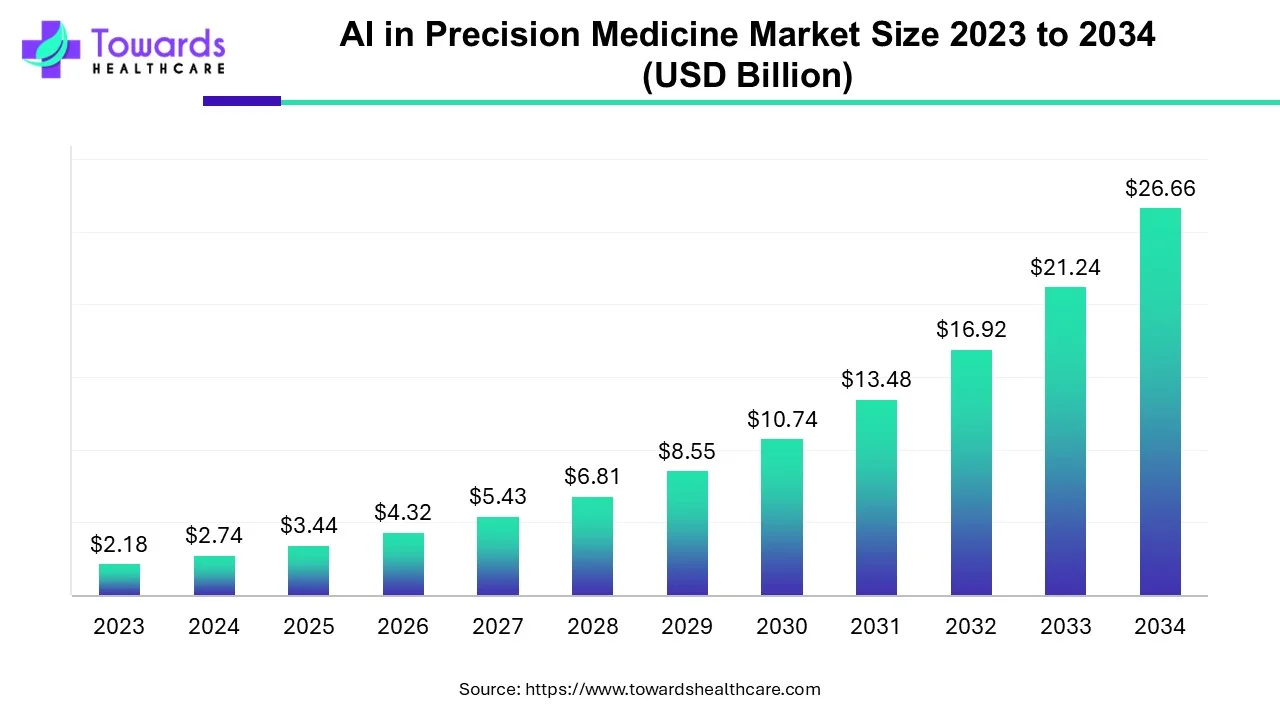
🧬 One of the most transformative applications of AI in Medicine lies in personalized medicine and genomics, where treatments are designed at the molecular level. By analyzing massive datasets of DNA and RNA sequences 🧫, AI algorithms can detect genetic variations, mutations, and biomarkers that influence disease progression and treatment response. Unlike the conventional “one-size-fits-all” model, AI enables the creation of precision-based therapies 🎯, uniquely adapted to each patient.
💊 For instance, AI can forecast whether a cancer patient will respond positively to immunotherapy, chemotherapy, or targeted therapy, reducing unnecessary drug trials and avoiding harmful side effects. In the case of rare genetic disorders 🧩, AI models accelerate the identification of gene-specific therapies, which would otherwise take years of manual research. By integrating genomics, proteomics, and machine learning 🤖, AI is paving the way for next-generation precision healthcare 🌍✨ — where treatments are not only personalized but also more effective and safer.
🔍 Key Applications of AI in Personalized Medicine:
- Genomic Data Analysis: AI deciphers DNA/RNA sequences to identify mutations, inherited risks, and drug-response markers.
- Drug Response Prediction: Determines how a patient will react to specific drugs 💊, ensuring optimal dosage and reduced side effects.
- Oncology Applications: Enables cancer-specific targeted therapy 🎗️ by mapping tumor genetics to the most effective treatment.
- Rare Disease Treatment: Assists in creating therapies for genetic disorders 🧩 where traditional research is slow and costly.
- Integration with Omics: Combines genomics, proteomics, and metabolomics to provide a holistic view of patient health.
🌍 Future Potential of AI in Genomics:
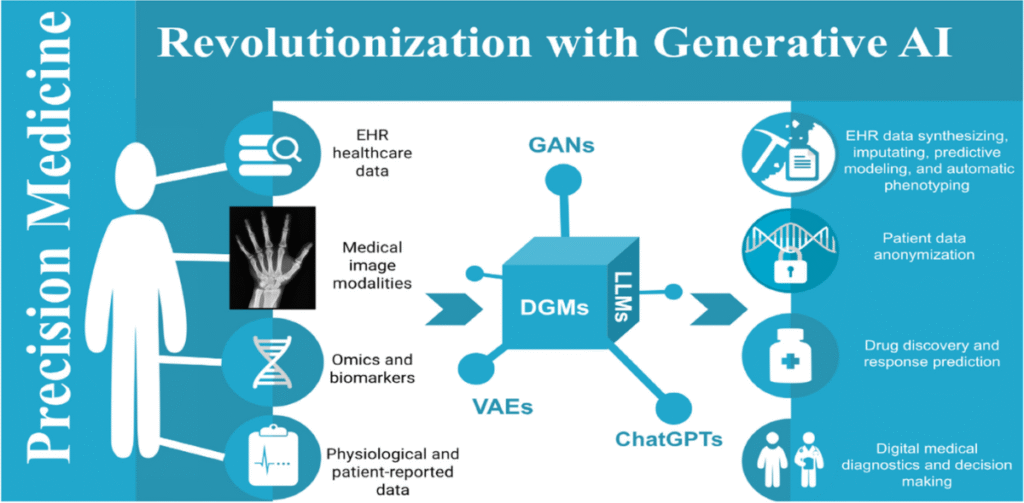
AI is unlocking possibilities in genomics that extend far beyond current applications. The future promises a paradigm shift in medicine, where treatments, prevention, and even genetic engineering are optimized by intelligent algorithms:
- 🧬 Personalized Vaccines – AI can design vaccines tailored to an individual’s immune profile, improving protection against evolving pathogens and reducing adverse reactions.
- 🧠 Real-Time Genetic Risk Prediction – By continuously analyzing genomic data, AI can predict susceptibility to diseases like Alzheimer’s, diabetes, or cardiovascular disorders before symptoms appear, enabling proactive interventions.
- 🧫 CRISPR & Gene-Editing Optimization – AI-driven models guide precision edits in DNA with higher accuracy, minimizing off-target effects and accelerating breakthroughs in genetic therapies.
- 🌐 Population-Scale Precision Medicine – When applied to large genomic datasets, AI enables predictive modeling of disease outbreaks, global health risks, and tailored community-wide treatment strategies.
Together, these advancements could transform healthcare from reactive treatment into predictive, preventive, and highly personalized care — shaping the future of medicine on both individual and global scales.
⚡ In short, AI in personalized medicine and genomics is transforming healthcare into a data-driven, patient-specific science — improving outcomes, saving time, and reducing risks at every step.
4. AI in Medicine: Surgery and Robotics
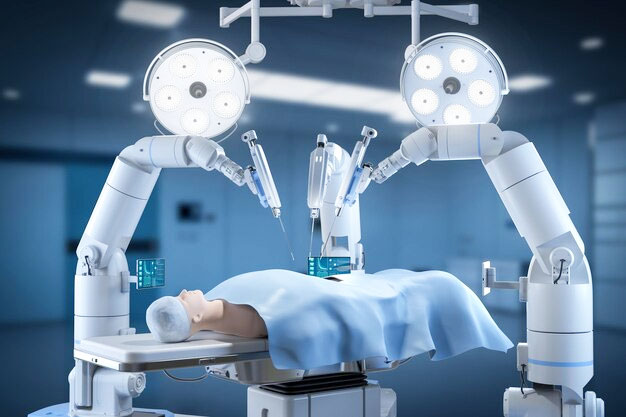
AI Meets Surgery
AI-powered surgical robotics represents a paradigm shift in healthcare. Traditional surgery relies heavily on the surgeon’s skill, experience, and manual dexterity. With AI integration, machines augment human capability, providing enhanced precision, real-time analytics, and predictive insights.
Robotic systems like Da Vinci Surgical System or emerging AI-driven platforms combine robotic manipulators, computer vision, and AI algorithms to assist surgeons in complex procedures—from heart bypasses to spinal operations.
2. Key Technological Components
a) Robotic Manipulators
- Mechanically precise robotic arms can perform microsurgical movements beyond human steadiness.
- Enable access to difficult-to-reach areas while maintaining stability and reducing tremors.
b) AI Algorithms & Computer Vision
- Computer vision identifies tissues, organs, and blood vessels in real-time.
- AI algorithms analyze the surgical field and predict potential complications, guiding surgeons for safer incisions and sutures.
- Some systems even anticipate tissue responses to surgical maneuvers, allowing preemptive corrections.
c) Haptic Feedback
- Advanced systems provide tactile feedback, letting surgeons “feel” tissue resistance through robotic instruments.
- Enhances precision in delicate surgeries, such as eye or cardiovascular procedures.
d) Data Integration & Decision Support
- AI integrates patient-specific preoperative imaging (MRI, CT, PET scans) with real-time surgical data.
- Provides predictive analytics—for example, estimating bleeding risks or optimal suture placement.
3. Applications in Surgery
a) Minimally Invasive Surgery 🔪✨
- Smaller incisions reduce trauma, pain, and infection risk.
- Faster recovery ⏱️ allows patients to return to normal life sooner.
- Examples: laparoscopic gallbladder removal, robotic hysterectomy.
b) Orthopedic Surgery 🦴
- AI guides precise joint replacements or spinal fusions.
- Reduces post-operative complications and improves prosthetic alignment.
c) Cardiac Surgery ❤️
- AI-assisted robots perform valve replacements, bypass surgery, and arrhythmia corrections with higher accuracy.
- Real-time monitoring improves patient safety and reduces operative time.
d) Neurosurgery 🧠
- AI mapping of brain regions allows tumor resection or deep brain stimulation with minimal collateral damage.
4. Advantages Over Traditional Surgery
| Benefit | Traditional Surgery | AI-Powered Robotics |
|---|---|---|
| Precision | Limited by human steadiness | Micron-level accuracy, tremor-free 🎯 |
| Risk of complications | Higher | Reduced via AI-guided predictions ⚠️ |
| Recovery time | Longer | Faster due to minimally invasive techniques ⏱️ |
| Visualization | Surgeon-dependent | Enhanced with 3D imaging & real-time analytics 🖥️ |
| Fatigue | Human fatigue affects outcomes | Robotic consistency and assistance 💪 |
5. Advanced Features & Emerging Trends
- Autonomous Surgical Assistance: Some AI systems are being trained to perform parts of surgery semi-independently, such as suturing or tissue excision.
- Predictive Surgery Analytics: AI predicts patient-specific outcomes, guiding preoperative planning and optimizing intraoperative decisions.
- Integration with Telemedicine: Surgeons can perform remote operations, using AI-assisted robotic systems to extend care to underserved regions 🌍.
- Learning Systems: AI continuously learns from each surgery, improving recommendations and predictive models for future cases.
6. Challenges and Considerations
- Data Dependency: AI needs large datasets to make accurate predictions. Limited or biased data can reduce reliability.
- Regulatory & Ethical Issues: Responsibility in case of errors, patient consent, and transparency in AI decision-making.
- Cost: High upfront costs for AI-powered robotic systems can limit access in developing countries.
7. Summary
AI in surgery is not about replacing surgeons—it’s about augmenting their capabilities. By combining precision robotics, AI analytics, and real-time decision support, these systems make surgeries safer, minimally invasive, and highly patient-centered. From orthopedics 🦴 to cardiology ❤️ and neurosurgery 🧠, AI-powered robotics represents a revolutionary leap in modern healthcare 🌍💡.
5️⃣ AI in Hospital Management & Telemedicine

🏥 AI in Hospital Management & Telemedicine is revolutionizing how healthcare systems operate, making them more efficient, accessible, and patient-centered 🌍✨.
1️⃣ Hospital Management
AI plays a critical role in managing Electronic Health Records (EHRs) 📑. It ensures that patient data is organized, secure 🔐, and easily accessible to healthcare providers, enabling faster and more accurate decision-making. Beyond record-keeping, AI streamlines administrative tasks such as bed allocation, inventory management, and staff scheduling, reducing workloads and operational costs 💵.
2️⃣ Telemedicine & Virtual Care
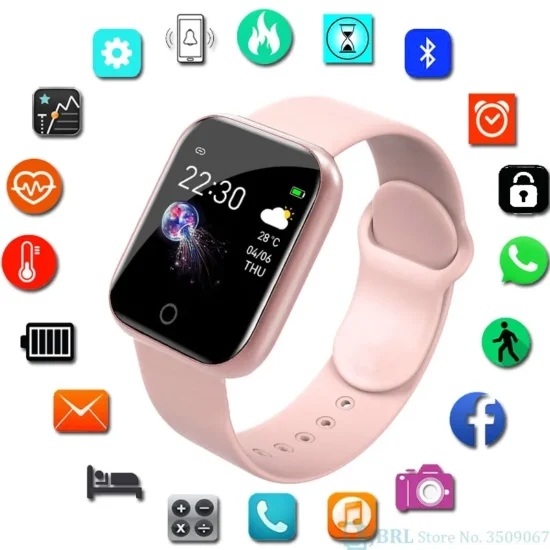
👉 AI-powered smartwatches ⌚ are playing a key role in remote patient monitoring. They can track heart rate, blood pressure, sleep quality, and even detect irregular rhythms like atrial fibrillation. Doctors can access this data in real time, helping with early diagnosis and preventive care. AI-powered chatbots and virtual assistants 🤖 provide 24/7 support, answering patient queries, scheduling appointments, and offering basic medical guidance 🩺💻. This is especially valuable for patients in remote areas or those requiring routine monitoring, allowing doctors to focus on more critical cases.
3️⃣ Predictive Analytics & Patient Monitoring
AI uses predictive algorithms 📊 to monitor patients in real-time, detecting early warning signs of potential health risks before they escalate into emergencies ⚠️. For example:
- Monitoring vital signs for patients with chronic conditions 🫀.
- Predicting potential post-operative complications after surgery 🔬.
- Identifying patients at risk of hospital readmission 🏥.
4️⃣ Benefits of AI in Hospital Management & Telemedicine
| Benefit | Traditional Approach | AI-Driven Approach |
|---|---|---|
| Patient Data Management | Manual, error-prone 📄 | Automated, organized, secure 🔐 |
| Access to Care | Limited by location & hours ⏰ | 24/7 virtual consultations 🤖 |
| Predictive Monitoring | Reactive ⚠️ | Proactive, real-time alerts 📊 |
| Hospital Workload | High & stressful 🏥 | Optimized scheduling & task management ✅ |
| Cost Efficiency | High operational costs 💵 | Reduced by AI-driven optimization 💡 |
By streamlining hospital operations, enabling remote healthcare, and providing predictive patient insights, AI is transforming hospitals into smarter, safer, and more responsive healthcare environments 🌟.
💡 Benefits of AI in Medicine
The advantages of AI in Medicine are transforming healthcare into a smarter, faster, and more reliable system 🌍.
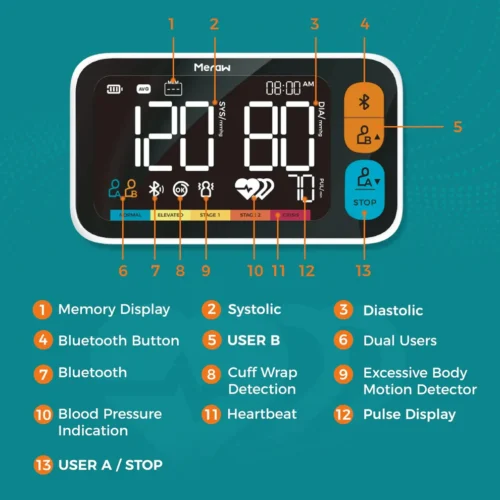
✅ Faster Diagnosis – AI helps detect diseases like flu 🤧, cancer 🎗️, and heart conditions ❤️ at much earlier stages, allowing doctors to begin treatment quickly and improve patient survival rates. Smart AI-integrated blood pressure monitors can sync readings directly to smartphones, enabling predictive analytics and continuous monitoring through connected healthcare apps.
✅ Improved Accuracy – In fields such as radiology 🩻 and pathology 🔬, AI minimizes human error by interpreting medical images with exceptional precision, giving doctors more confidence in their decisions.
✅ Cost-Effectiveness – Hospitals and clinics benefit from AI-driven management systems 🏥💰, which reduce administrative burdens, optimize resources, and cut down overall healthcare costs.
✅ Personalized Treatment – By analyzing patient history 📑, genetics 🧬, and lifestyle, AI can create tailored treatment plans 🎯, ensuring that every patient gets the most effective care.
✅ Support for Pharmacists – AI tools assist in pharma care 💊, medication management, and drug safety checks, making pharmacists’ jobs easier. On World Pharmacist Day 🌎👩⚕️👨⚕️, AI is recognized as a true partner in enhancing pharmacy services and patient well-being.
In short, AI is not only helping doctors and pharmacists but also ensuring that patients everywhere receive better, faster, and more affordable healthcare 💙.
🌿 Health, Fitness, Wealth – The Golden Trio of Life 🌿

Good health 🫀 is the foundation of happiness and productivity — without it, nothing else truly matters. Regular fitness 🏋️♂️ through exercise, yoga, or even simple daily walks keeps the body strong, the mind sharp 🧠, and energy levels high. When health and fitness are prioritized, they naturally lead to better focus, discipline, and consistency — qualities that also help in building wealth 💰. A healthy lifestyle reduces medical expenses 🏥, increases work efficiency, and opens doors to new opportunities. Remember: true wealth isn’t just money in the bank, but a balance of physical well-being, mental peace ☮️, and financial security. 💪✨
And if you want to increase you glow further then this is for you: Complete Skin Care Guide.
⚠️ Challenges of AI in Medicine
While AI in Medicine offers incredible opportunities, it also comes with important challenges that must be addressed for safe and ethical use 🌍⚖️.
🚨 Data Privacy & Security – Patient health records 📑 often contain sensitive information. Protecting this data from cyberattacks 🔐 and misuse is one of the biggest challenges in healthcare AI.
🤔 Ethical Concerns – Questions arise about who is responsible if an AI system makes a wrong diagnosis or treatment recommendation ⚖️. Issues of accountability and patient trust remain critical.
📊 Bias in Algorithms – AI learns from existing medical data. If that data is biased or incomplete, the AI system may give inaccurate results, leading to unfair treatment for certain groups of patients 🙍♀️🙍♂️.
👩⚕️ Doctor & Patient Trust – Many doctors and patients are cautious about relying on AI 🤖. Building trust between humans and AI systems is essential before it can be fully accepted in everyday medical practice.
📉 Regulatory Challenges – Organizations like the FDA and CDC are still developing proper regulations and standards for AI in healthcare, which slows down adoption.
💰 High Implementation Costs – Advanced AI systems and medical robotics 🤖🏥 are expensive, making it difficult for smaller hospitals and developing nations to adopt them.
Despite these hurdles, continuous innovation, ethical guidelines, and stronger regulations are helping to overcome challenges, paving the way for safer and smarter healthcare 🚀.
⚖️ Medical Ethics in AI
As AI in Medicine becomes more advanced, medical ethics play a crucial role in ensuring safe and fair healthcare 🌍.
🔍 Bias in Algorithms – AI learns from historical medical data 📊. If that data is biased or incomplete, AI may produce unfair or inaccurate results, leading to potential misdiagnosis or unequal treatment for patients 🙍♀️🙍♂️.
🔐 Privacy of Medical Records – Protecting sensitive patient health data is essential. Unauthorized access or misuse of electronic health records (EHRs) 📑 could violate patient confidentiality and trust.
🏛️ Regulatory Oversight – Organizations like the FDA (Food and Drug Administration) and global health authorities 🌐 are responsible for setting rules and guidelines to ensure AI is safe, effective, and ethically applied in medicine.
🤝 Trust Issues – Doctors 👩⚕️, pharmacists 💊, and patients 🧑⚕️ may hesitate to fully rely on AI-driven decisions. Building trust between human judgment and AI technology 🤖 is vital for successful adoption.
🛡️ Data Security – With the increasing use of digital health technology, safeguarding sensitive medical data against cyber threats is one of the biggest ethical challenges in AI.
In short, ethical concerns are as important as technological progress. Without strong regulations and transparency, AI risks losing the human touch in healthcare ❤️ that patients value most.
🏥 AI in Medicine: Real-World Examples
AI in medicine is no longer just theory—it’s transforming healthcare with practical, real-world applications 🌍💡.
🤖 IBM Watson Health – Used in oncology (cancer treatment), Watson analyzes huge datasets 📊 to help doctors design personalized treatment plans and identify the best therapies for patients.
🔬 Google DeepMind – Revolutionizing medical imaging 🩻, DeepMind’s AI can detect eye diseases 👁️, cancer, and other conditions earlier than traditional methods, reducing diagnostic delays.
🧫 PathAI – Enhancing pathology accuracy 🔎, PathAI helps pathologists detect abnormalities in tissue samples. This reduces human error and improves the chances of early, successful treatment.
🐾 AI in Veterinary Medicine – Not just for humans! AI tools are being used to diagnose diseases in animals 🐶🐱, monitor their health, and even predict outbreaks in livestock farming.
These real-world cases prove that AI is reshaping healthcare across humans and animals alike 🧑⚕️🐾, making diagnoses faster, smarter, and more reliable. 🚀
🔮 Future of AI in Medicine
The future of AI in medicine looks brighter than ever 🌟. With rapid advancements in technology, AI is expected to become the backbone of modern healthcare 🏥.
🤖 AI in Medical Robotics – Robots powered by AI will perform ultra-precise surgeries 🩺, reducing risks and speeding up patient recovery.
🧬 AI in Medical Research – From developing new vaccines 💉 to designing advanced therapies for chronic diseases, AI will accelerate discoveries that once took decades.
🧪 AI in Personalized Medicine & Genomics – By analyzing DNA and RNA 🧬, AI will create tailored treatments for each patient, ensuring maximum effectiveness with minimal side effects.
📈 Predictive Healthcare Systems – AI-driven analytics will help predict disease outbreaks 🦠, prevent epidemics, and monitor public health in real time.
The future promises a world where healthcare is smarter, faster, and truly patient-centered 💡❤️—all thanks to AI. 🚀
✅ Conclusion: The Role of AI in Medicine
The role of AI in medicine is expanding rapidly, transforming everything from how pharmacists 💊 dispense accurate medication to how surgeons 👨⚕️ perform complex procedures with robotic precision. While ethical concerns ⚖️ and strong regulatory frameworks 🏛️ still require attention, the benefits of AI-powered healthcare are already proving to be life-changing.
It’s important to remember: AI is not here to replace doctors 👩⚕️🤖, but to support, guide, and empower them. By combining the efficiency of machines with the compassion of human care ❤️, AI is helping build a future where healthcare is smarter, faster, more affordable, and deeply human-focused.
The journey of AI in medicine has only just begun—and its impact will continue to redefine healthcare for generations to come 🌍✨.
FAQs
What does AI in medicine mean?
AI in medicine means using smart computer systems to help doctors and hospitals diagnose diseases, manage patient data, and improve treatment outcomes.
<h3 class="rank-math-question">Can AI replace doctors?</h3>
No, AI cannot replace doctors. It only supports them by analyzing data, suggesting possible diagnoses, and reducing errors. Final decisions are made by healthcare professionals.
Is AI already used in hospitals?
Yes, many hospitals use AI tools for medical imaging, electronic health records, chatbots for telemedicine, and even robotic-assisted surgeries.
How does AI help patients directly?
AI helps patients by offering faster diagnoses, personalized treatments, 24/7 chat support, and quicker access to test results — making healthcare more patient-friendly.
Is AI safe to use in healthcare?
Yes, AI tools are tested and often regulated by organizations like the FDA to ensure safety, but doctors still supervise and verify the results.
How is AI used in medical diagnostics?
AI analyzes X-rays, MRIs, and lab data to detect early signs of diseases such as cancer, heart problems, or infections, improving accuracy and speed of diagnosis.
Can AI discover new medicines?
Yes. AI scans chemical compounds, predicts drug interactions, and accelerates clinical trials, which helps in developing antibiotics, antivirals, and vaccines faster.
What is personalized medicine with AI?
Personalized medicine uses AI to study a patient’s DNA, lifestyle, and medical history, creating treatment plans that fit their unique health needs and predict drug responses.
What ethical concerns come with AI in healthcare?
Ethical issues include data privacy, algorithm bias, accountability for errors, and making sure AI is accessible to everyone — not just advanced hospitals.
What is the future of AI in medicine?
The future includes AI-assisted robotic surgeries, outbreak prediction systems, AI-driven vaccine research, and genomics-based personalized therapies.

6 thoughts on “AI In Medicine: 5 Revolutionary Applications To Know”