Vitamin C isn’t just a trending ingredient in smoothies—topically, it’s a powerhouse for supporting a healthy skin barrier while delivering brightness and protection. In this guide, we’ll cover what vitamin C serum does for your face, how it interacts with the skin barrier, and how to fit it into a winter skincare routine that keeps your skin glowing—whether you have oily skin or a tendency toward dryness.
- “حسن صرف چہرے کا نہیں، کردار کا بھی ہوتا ہے۔”
— اشفاق احمد (Ashfaq Ahmed)
Table of Contents
What does vitamin C serum do to your face
- Antioxidant protection: Vitamin C neutralizes free radicals from sun exposure, pollution, and blue light, helping to reduce oxidative stress that can lead to dullness and premature aging.
- Brightening and even tone: Regular use of a vitamin C serum can improve radiance, reduce the appearance of hyperpigmentation, and support a more even complexion and brighter look. It can inhibit melanogenesis, reducing melanin synthesis by up to
25%
- Collagen support: Vitamin C is essential for collagen synthesis, helping maintain skin firmness and smoothing texture over time. Studies show vitamin C can increase collagen production significantly, with some results showing increases from 43% to
57%
- Skin barrier support (when formulated well): In a balanced regimen, vitamin C can work with moisturizers containing humectants and ceramides to support a healthy barrier, rather than compromise it. A 10% topical vitamin C solution reduced UVB-induced erythema by52%and sunburn cell formation by 40−60%
- Lips care synergy: Don’t forget lip care—apply a gentle vitamin C-containing product or use a standard lip conditioner to protect the lips, especially in winter.
You can also see this NIVEA website to purchase their products.
Is vitamin C serum for everyday?
For many people, yes, vitamin C serum can be used daily, typically in the morning under sunscreen. Some considerations to tailor it to your routine:
- Concentration (percentage): Common ascorbic acid concentrations range from 10% to 20%. Beginners often start at 10% to minimize irritation and gradually move up as tolerated.
- Formulation stability: Choose serums with stable vitamin C forms (ascorbic acid) and protective packaging to minimize oxidation.
- Skin type considerations: Those with oily skin may prefer a lightweight, non-greasy serum. If you have sensitive skin, patch-test first and consider lower percentages.
- Frequency and layering: A typical sequence is cleanse → vitamin C serum → moisturizer → sunscreen. If using other actives, space them out (e.g., vitamin C in the morning, and consider retinoids on alternate evenings).
Cold air can strip your skin of moisture, making Vitamin C even more essential. Pair your serum with a rich moisturizer to strengthen your skin barrier and prevent dullness.
👉 Explore our Winter Skincare Guide to learn how to layer Vitamin C with hydrating ingredients for soft, radiant winter skin.
Vitamin C Dietary Supplements
Topical Vitamin C serums brighten the surface of your skin — but true radiance begins inside. Dietary supplements rich in Vitamin C give your body the antioxidants it needs to repair, protect, and rejuvenate skin cells.
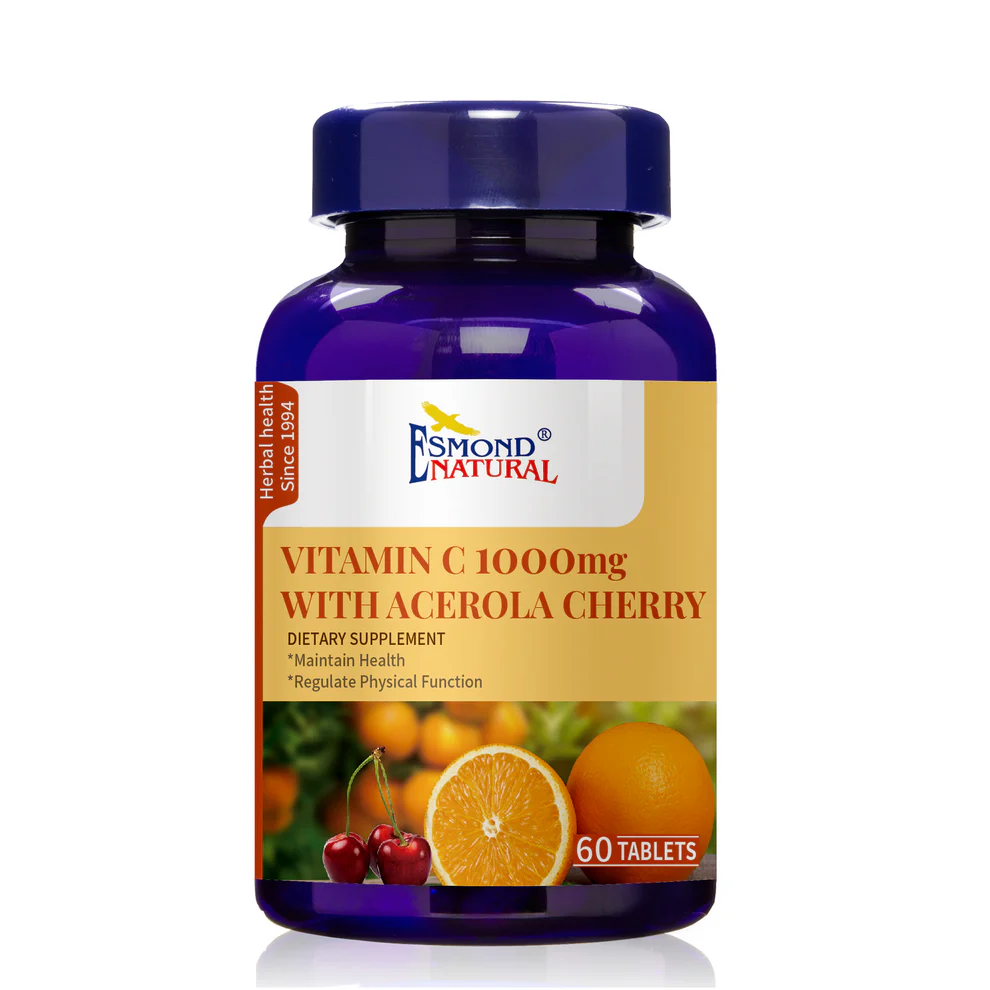
You can boost your intake naturally through:
. Broccoli, spinach, and bell peppers
. Citrus fruits (oranges, lemons, grapefruit)
. Berries, kiwi, and pineapple
If diet alone isn’t enough, high-quality Vitamin C supplements (500–1000 mg daily, as advised by a healthcare professional) can help maintain optimal levels for glowing skin and a strong immune system.
Vitamin C vs. other acids: citric acid vs ascorbic acid
- Ascorbic acid (Vitamin C): The active antioxidant form that brightens, provides protection, and supports collagen. Stability is key.
- Citric acid: An AHA used mainly for exfoliation and pH adjustment. It can refine texture but may be irritating in higher concentrations or when used with powerful antioxidants.
Practical tip: avoid stacking high concentrations of both citric acid and vitamin C in the same routine. Use citric acid exfoliants on separate days or evenings from vitamin C serums to reduce irritation. But it works synergistically with vitamin E to potentiate its photoprotective effects, protecting both hydrophilic and lipophilic cellular compartments.
Rice-based Korean skincare is known for its brightening and soothing benefits — a perfect match with Vitamin C! Together, they fade dark spots and restore natural luminosity.
👉 Learn About Rice Korean Skincare and how can give you that glass-skin effect.
Winter skincare: moisturize, protect, and strengthen your skin barrier
Winter dryness can challenge the skin barrier, even for those with oily skin. Here’s how to keep a glowing, radiant complexion while using vitamin C:
- Moisturize with barrier-supporting ingredients: Look for ceramides, glycerin, and hyaluronic acid. For oily skin, opt for a lightweight gel-cream that still nourishes the barrier.
- Gentle cleansing: Use a mild cleanser that preserves natural oils and the skin barrier.
- Daily sunscreen: Vitamin C shines when paired with broad-spectrum sunscreen to prevent UV-related pigment changes and support a brighter complexion.
- Facial masks as needed: Hydrating or soothing masks can bolster the skin barrier during winter without over-washing.
- Lip care: Protect lips with a barrier-friendly lip balm to maintain a smooth, hydrated pout.
🌞 Protect Your Glow — Pair Vitamin C with daily SPF for double protection.
How to incorporate vitamin C into your routine
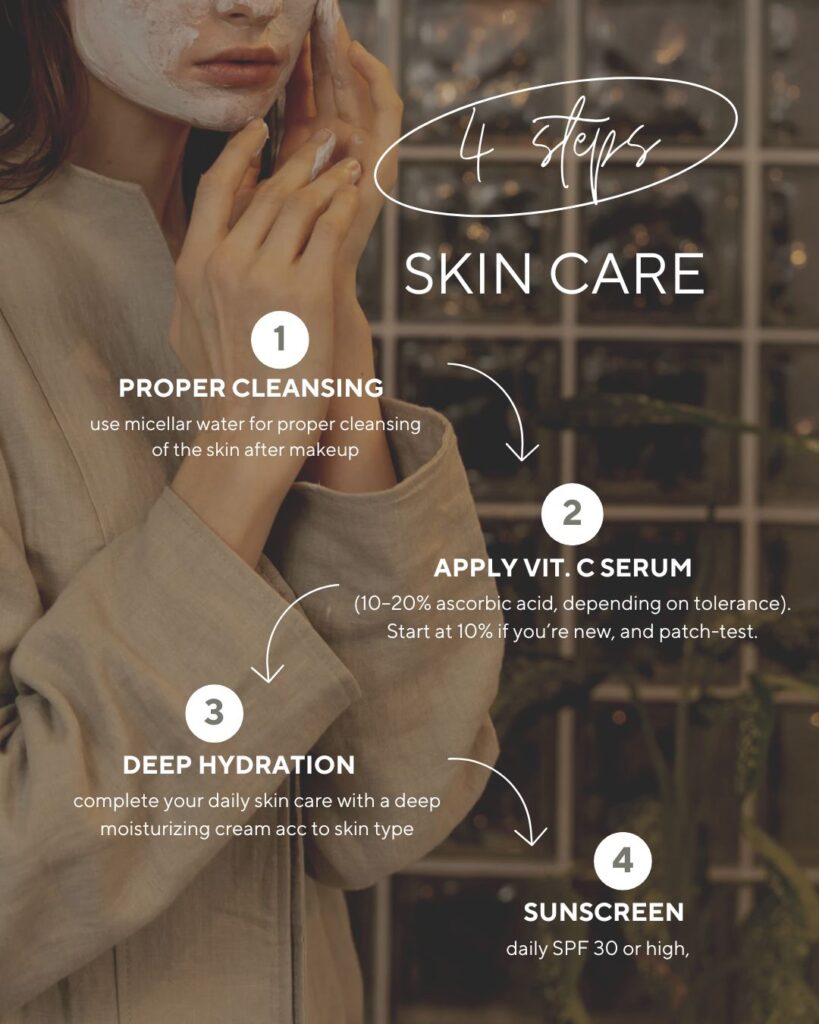
👉 Read our Summer Skincare Tips to discover lightweight products that keep your glow fresh under the sun.
Tips for stronger, more radiant skin and a healthier barrier
- Choose vitamin C serums with proven stability and minimal fragrance to reduce irritation.
- If you’re dealing with pigmentation or “acme spots pigmentation,” consistent vitamin C use, sun protection, and a stable routine can help over weeks to months.
- For sensitive or reactive skin, start with a lower percentage, test on a small area, and consider using vitamin C every other day initially.
- If you’re considering pairing with other actives, Niacinamide can be a complementary choice (noting that some people may prefer to separate potent actives to minimize irritation).
.💬 Have You Tried Vitamin C Yet? Share your favorite serums in the comments below!
1. What skin type is Vitamin C best for?
Vitamin C suits most skin types, especially dull, tired, or uneven skin. If you have sensitive skin, start with a lower concentration (5–10%) to avoid irritation.
2. How long does it take to see results from Vitamin C?
Visible improvements often appear after 2–4 weeks of consistent use — your skin will look brighter and smoother as cell turnover improves.
3. Does Vitamin C lose effectiveness over time?
Yes. Vitamin C oxidizes when exposed to air, light, or heat, turning yellow or brown. Always store it in a dark, airtight bottle and replace it every few months for maximum potency.

5 thoughts on “How Vitamin C Transforms Skin: From Dull to Radiant and Strong”