Introduction
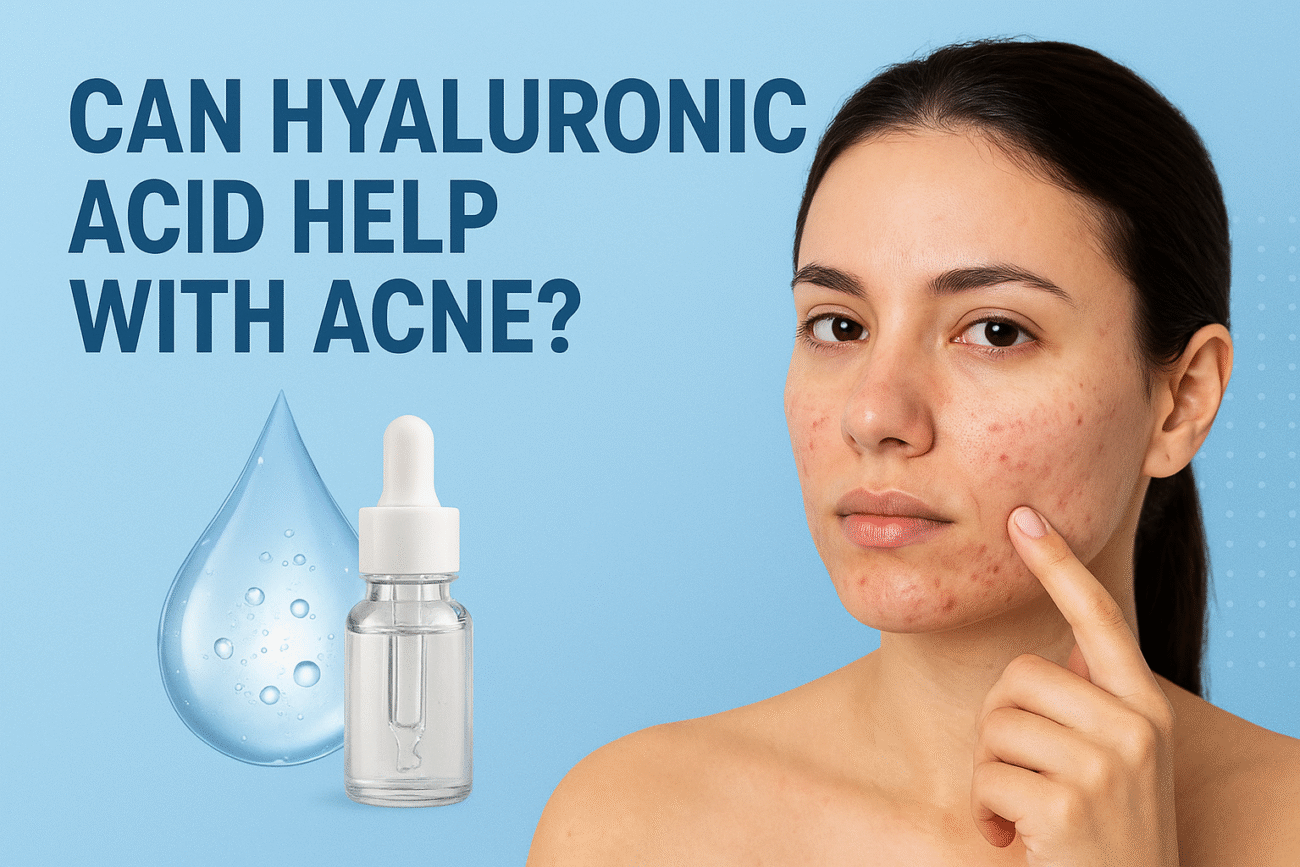
Skincare is a journey through pigments, texture, and barrier health. Whether you’re dealing with acne spots, dark marks, or simply aiming for glowing, radiant skin, a balanced routine tailored to your skin type and season makes all the difference. This guide covers key ingredients, practical routines, and how to use popular products like hyaluronic acid, vitamin C, niacinamide, and more—whether you have oily skin, sensitive skin, or a dry winter complexion.
Table of Contents
- Understanding pigmentation, acne spots, and marks
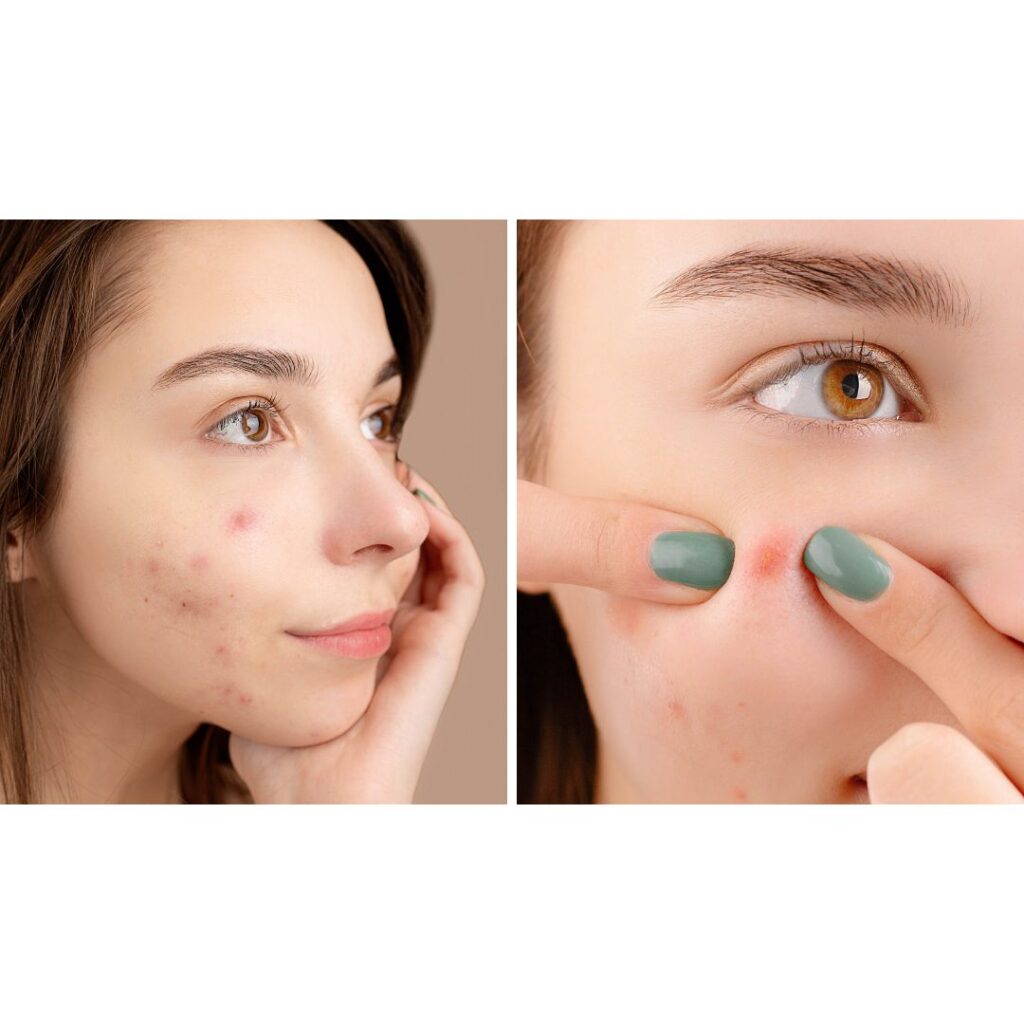
Pigmentation: changes in skin color, often from sun exposure, inflammation, or hormonal factors.
Acne spots and marks (post-inflammatory hyperpigmentation) are common after breakouts.
Goals for pigmentation care: even tone, brighter complexion, and reduced appearance of dark spots.
- Core skincare players you’ll hear about
- Vitamin C: A brightening antioxidant that can help with even tone and collagen support. Look for stable forms (e.g., ascorbic acid, or derivative forms) and consider concentrations around 10–20% for most skin types.
- Niacinamide: A versatile anti-inflammatory and barrier-supporting ingredient that can reduce redness, minimize the appearance of pores, and help with uneven tone.
- Hyaluronic Acid (HA): A humectant that binds water to hydrate the skin. It supports skin plumpness and can enhance the effectiveness of moisturizers and serums.
- Retinol: A vitamin A derivative that accelerates cell turnover, helping with acne, texture, and pigmentation over time. Use with care, especially if you have sensitive skin.
- Lactic/Glycolic acids (exfoliation): Chemical exfoliants that help remove dead skin cells, improving texture and brightness. Use with caution if you have sensitive skin or are new to acids.
What is Hyaluronic Acid (HA)?
Hyaluronic acid is a naturally occurring polysaccharide found in the skin, eyes, and connective tissues. It acts as a powerful humectant — meaning it attracts and retains moisture, helping to keep skin hydrated and supple. Over time, natural HA levels decline due to age, UV exposure, and pollution, leading to dryness and loss of elasticity.
Despite from Skincare, it helps us a lot in multiple body functions and present in different parts. For the sake of knowledge, 7 surprising Benefits of Hyaluronic acid describe their importance.
Mechanism of Action: How Hyaluronic Acid Works
a. Water Retention:
HA has a unique ability to hold up to 1,000 times its weight in water. When applied topically, it binds moisture from the environment and from deeper skin layers, increasing skin hydration and plumpness.
b. Strengthening the Skin Barrier:
By maintaining moisture balance, HA supports the stratum corneum (the outermost skin layer). A well-hydrated barrier prevents transepidermal water loss (TEWL), reducing dryness, irritation, and sensitivity.
c. Enhancing Elasticity and Smoothness:
Hydration leads to improved skin turgor and elasticity. Regular HA use softens the appearance of fine lines and creates a smoother texture, giving the skin a naturally radiant look.
d. Supporting Other Ingredients:
HA improves the penetration and performance of other skincare actives (like niacinamide or vitamin C) by maintaining optimal hydration levels, which allows the skin to absorb nutrients more effectively.
Key Benefits of Hyaluronic Acid for Skin
| Benefit | Description |
|---|---|
| Intense Hydration | Replenishes moisture and keeps the skin dewy and plump. |
| Anti-Aging Support | Reduces the appearance of fine lines caused by dehydration. |
| Barrier Repair | Strengthens the skin’s natural moisture barrier to protect against environmental stressors. |
| Improved Texture | Promotes smoother, softer skin with consistent use. |
| Compatibility | Safe for all skin types, including sensitive and acne-prone skin. |
| Fast Absorption | Lightweight, non-greasy texture that layers easily with other products. |
| Enhanced Glow | Hydrated skin reflects light better, giving a youthful, radiant glow. |
- The role of skincare in different seasons
| Season | Focus | Key Ingredients | Texture Tips |
|---|---|---|---|
| Winter | Hydration and barrier support | HA, ceramides, niacinamide, vitamin C | Rich moisturizers, layering serums |
| Summer | Sun protection and oil control | Sunscreen, lightweight HA, niacinamide | Water gels, oil-free moisturizers |
“Hot weather and humidity change how your skin behaves. Check out our Skin care routine during Summer for lightweight hydration and sun-protection tips.”
“During colder months, skin loses moisture faster. For a full routine, see our Winter Skincare Guide to learn how to protect your barrier and prevent dryness.”
- Building a skincare routine (day and night)
- Morning routine (for most skin types, including oily skin):
- Cleanser: Gentle, non-stripping.
- Vitamin C serum: 10–20% depending on tolerance.
- Niacinamide serum or moisturizer: 5–10% niacinamide is common.
- Hyaluronic acid serum: Lightweight hydration layer.
- Moisturizer: A non-greasy option if you have oily skin.
- Sunscreen: Broad-spectrum SPF 30+ every day.
- Night routine:
- Cleanser.
- Exfoliant 1–3 times per week (e.g., AHA/BHA) if your skin tolerates it.
- Niacinamide or vitamin C (alternate days if you prefer).
- Hyaluronic acid serum for hydration (optional before moisturizer).
- Retinol (start 1–2 times per week, then build up) or a peptide/ceramide-rich moisturizer if you’re sensitive.
- Moisturizer to seal in hydration.
How to use hyaluronic acid?
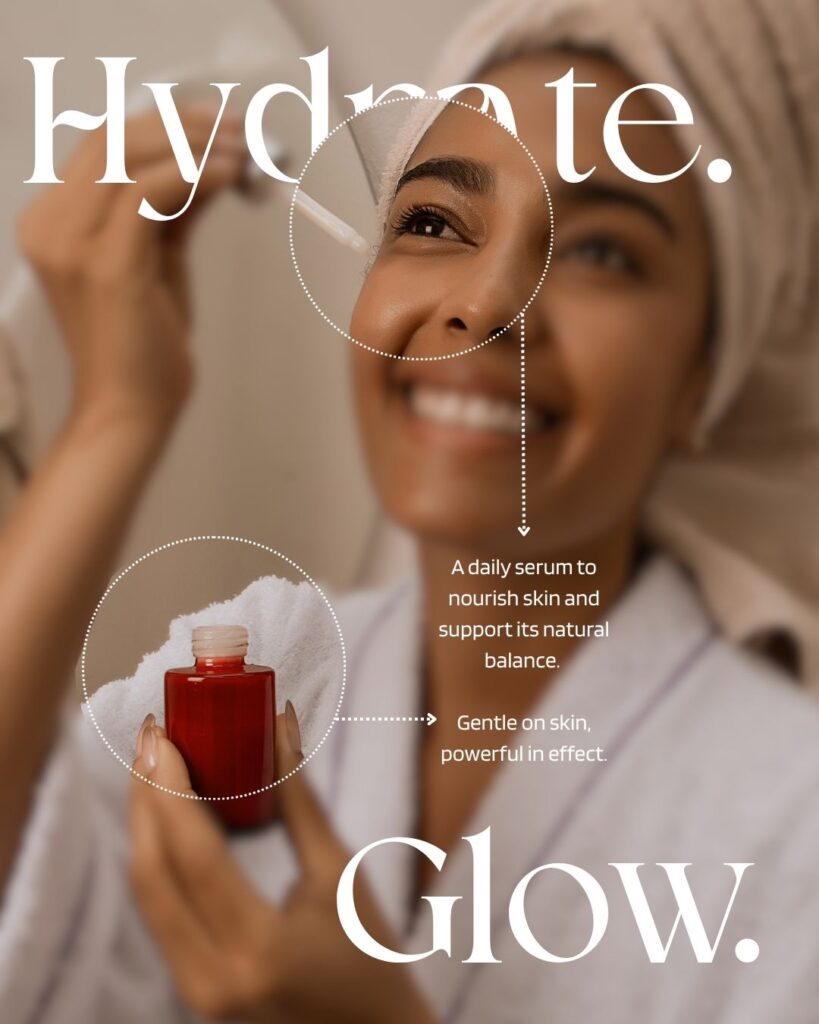
- After cleansing, apply HA while skin is slightly damp to maximize hydration.
- Follow with a moisturizer to seal in moisture.
- In the morning, HA can be layered under sunscreen for a supple, hydrated look.
Hyaluronic acid (HA) pairs effectively with several key skincare ingredients when layered correctly. For Vitamin C, it’s best to apply the Vitamin C serum first, followed by HA, which helps boost skin radiance and even out tone while maintaining hydration. When using Niacinamide, apply HA before the niacinamide to enhance barrier repair and reduce redness. With Retinol, layering HA first can help minimize dryness or irritation commonly associated with retinol use. Finally, after using AHAs or BHAs (exfoliants), applying HA helps replenish moisture and soothe the skin, supporting a balanced and hydrated complexion post-exfoliation.
“If you love gentle, hydrating routines, explore our Korean-Skincare Blog featuring layering techniques, essences, and barrier-friendly products.”
The role of “natural sources” and hyaluronic acid
Several fruits and vegetables can naturally support the body’s hyaluronic acid (HA) levels. Leafy greens like spinach, kale, and Swiss chard supply magnesium and antioxidants that help boost HA production. Root vegetables such as sweet potatoes, white potatoes, and carrots provide nutrients that strengthen skin structure and promote hydration. Citrus fruits — including oranges, lemons, and grapefruits — are rich in vitamin C, which supports collagen formation and works synergistically with HA. Berries like strawberries, blueberries, and raspberries add antioxidants and vitamin C, both important for skin repair and moisture balance.
Other fruits, including mangoes, grapes, and tomatoes, also deliver antioxidants that help sustain natural HA levels. Incorporating a variety of these fruits and vegetables into your diet can contribute to healthier, plumper, and more hydrated skin.
Oral hyaluronic acid has been shown to improve skin hydration and elasticity. In a randomized double‐blind clinical trial, participants taking HA supplements experienced visibly plumper and smoother skin. This highlights the benefits of HA not only in topical skincare but also as a dietary supplement. Read the full study here.
- Tackling oily skin and the skin barrier
- For oily skin, opt for oil-free moisturizers, gel textures, and non-comedogenic formulations.
- Always prioritize a healthy skin barrier: ceramides, cholesterol, and fatty acids support barrier repair. Niacinamide also helps with barrier function.
- If your skin is sensitive, introduce actives gradually, patch test, and prefer fragrance-free products.
- Exfoliation and its timing
- Exfoliation helps with texture and pigment by promoting cell turnover and removing surface dullness.
- Chemical exfoliants (AHAs like glycolic, BHAs like salicylic acid) are effective for acne-prone skin and pigmentation.
- Frequency depends on skin type: oily and resilient skin may tolerate 2–3 times weekly; sensitive or dry skin may need once a week or less.
- Always follow with hydrating products to prevent irritation.
- Addressing lips and lip care
- Lip care matters for a complete glow. Use a hydrating lip balm with ingredients such as ceramides or hyaluronic acid to maintain moisture and protect the lip barrier.
- Practical tips for “dark skin” and sensitive skin
- Darker skin tones can be prone to post-inflammatory hyperpigmentation; consistent use of brightening and barrier-supporting ingredients can help lighten the appearance of dark spots. Avoid overly aggressive exfoliation that can trigger more pigmentation.
- For sensitive skin, prioritize fragrance-free formulations, avoid high concentrations of active ingredients at once, and patch test new products.
Side effects
Hyaluronic acid (HA) is generally considered safe for most people when used topically or taken as a supplement. However, some individuals may experience mild side effects, especially if they have sensitive skin or allergies. Topical use can occasionally cause redness, itching, or irritation, particularly when combined with other active ingredients. In rare cases, injectable forms of HA used in fillers may lead to swelling, bruising, or infection at the injection site. Oral supplements are usually well-tolerated, but high doses could cause digestive discomfort in some people. It’s always advisable to perform a patch test before introducing a new HA product and consult a dermatologist if any persistent or severe reactions occur.
💬 “What’s your biggest skincare challenge? Share your story in the comments—we’d love to hear how you’re navigating your skincare journey!”
Conclusion
A radiant, even-toned complexion is achievable with a thoughtful routine that respects your skin type, sensitivity, and seasonal needs. Ingredients like vitamin C, niacinamide, and hyaluronic acid are versatile tools that, when used correctly, can address pigmentation, acne spots, and overall glow. If you’d like, I can tailor this into a personalized 4–6 week plan based on your skin type (oily, dry, combination, sensitive), climate, and product preferences, and suggest specific product examples with percentage ranges (e.g., vitamin C concentration) to match your goals.
FAQs
1. Use in morning or night?
Vitamin C and HA are usually morning; retinol is typically night; adjust based on tolerance and product instructions.
2. How long does it take to see results on acne marks with Hyaluronic Acid?
You may see improved hydration immediately, but visible improvement in acne marks takes 4–8 weeks, especially when paired with proven brightening ingredients.
3. Does Hyaluronic Acid improve post-inflammatory erythema (red acne marks)?
Indirectly, yes. HA reduces inflammation, supports the skin barrier, and speeds up healing, which helps calm red acne marks over time.
But for faster results, dermatologists recommend combining it with ingredients like azelaic acid or centella asiatica.
4. Use in summer or winter?
Yes, tailor hydration and sun protection: summer needs sunscreen and lighter moisturizers; winter needs more hydration and barrier support.

7 thoughts on “Your Complete Guide to Radiant Skin: From Acne Spots to Bright, Even Tone”