Overview
Argan oil has become a skincare game-changer for people seeking natural, effective solutions for their skin concerns. This liquid gold from Morocco offers powerful benefits for anyone. Argan oil—often called liquid gold—is one of the most effective natural skincare ingredients. Argan oil has become a skincare game-changer. It moisturizes deeply, reduces signs of aging, calms irritation, protects from environmental stress, and works for all skin types (including oily and acne-prone).
This guide answers the most important questions about argan oil so you know exactly what it does, how to choose the right one, and how to apply it correctly for the best results.
Discover the Powerful Benefits of Argan Oil for Your Skin
Table of Contents
What Is Argan Oil and Why Is It Popular for Skin?
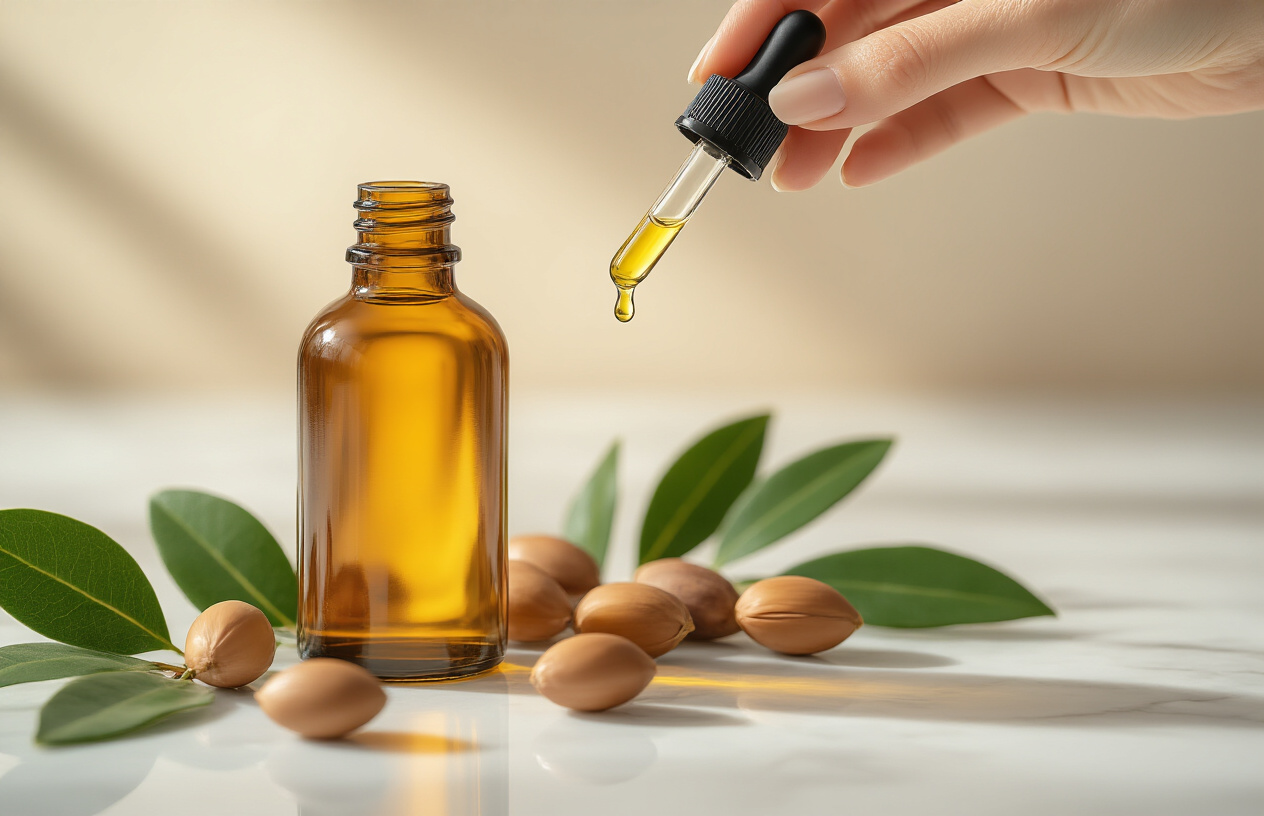
Argan oil stands out as one of nature’s most powerful moisturizers, packed with essential fatty acids that penetrate deep into your skin’s layers. The oil contains high concentrations of oleic, linoleic, and palmitic acids, which work together to restore your skin’s natural barrier function. When applied to dry or dehydrated skin, these fatty acids help lock in moisture while preventing water loss throughout the day.
The molecular structure of argan oil allows it to absorb quickly without leaving a greasy residue, making it perfect for all skin types. Unlike heavier oils that sit on the surface, argan oil’s lightweight consistency means your skin drinks it up immediately. This rapid absorption delivers instant hydration to parched areas like elbows, knees, and heels while providing long-lasting moisture that keeps your skin soft and supple.
Regular use of argan oil significantly improves your skin’s ability to retain moisture naturally. The vitamin E content helps strengthen your skin’s protective barrier, while the natural antioxidants work to repair damage caused by environmental factors that contribute to dryness.
What Are the Benefits of Argan Oil for Skin?
Can Argan Oil Reduce Wrinkles and Fine Lines?
The anti-aging properties of argan oil make it a powerhouse ingredient for mature skin concerns. Rich in vitamin E and phenolic compounds, argan oil helps stimulate cellular regeneration and promotes collagen production. This natural process helps smooth out fine lines and wrinkles while improving overall skin texture and firmness.
The squalene found in argan oil mimics your skin’s natural sebum, helping to plump up fine lines from within. As we age, our skin produces less natural oil, leading to the formation of wrinkles and loss of elasticity. Argan oil helps compensate for this natural decline by providing the lipids your skin needs to maintain its youthful appearance.
Consistent application of argan oil can help minimize crow’s feet, forehead lines, and other expression lines. The oil’s ability to boost skin elasticity means your skin bounces back more effectively from facial movements, preventing the formation of new wrinkles while softening existing ones.
Does Argan Oil Help with Inflammation or Irritation?
Argan oil’s anti-inflammatory properties make it an excellent choice for sensitive or irritated skin conditions. The oil contains compounds like triterpenoids and sterols that help calm redness, reduce swelling, and provide relief from various skin irritations. Whether you’re dealing with eczema, dermatitis, or general skin sensitivity, argan oil offers gentle yet effective soothing properties.
The natural anti-inflammatory compounds work by reducing the production of inflammatory mediators in your skin. This means less redness, decreased itching, and faster healing of minor skin irritations. Unlike harsh chemical treatments that can sometimes worsen sensitive skin conditions, argan oil provides relief without causing additional irritation.
People with conditions like atopic dermatitis often find argan oil particularly helpful because it doesn’t clog pores or trigger flare-ups. The oil’s hypoallergenic nature makes it suitable even for the most sensitive skin types, providing comfort and healing without unwanted side effects.
Can Argan Oil Protect Skin from Environmental Damage?
Your skin faces constant assault from environmental stressors like UV rays, pollution, and free radicals that accelerate aging and cause various skin problems. Argan oil acts as a natural shield against these harmful elements thanks to its impressive antioxidant profile. The high concentration of vitamin E, carotenoids, and phenolic compounds work together to neutralize free radicals before they can damage your skin cells.
The protective benefits extend beyond just antioxidant activity. Argan oil helps strengthen your skin’s natural barrier function, making it more resilient against environmental aggressors. A stronger skin barrier means better protection against pollutants, harsh weather conditions, and other external factors that can cause premature aging and skin damage.
Regular use of argan oil creates a protective film on your skin’s surface that helps deflect harmful particles while allowing your skin to breathe naturally. This protection is particularly valuable for people living in urban areas with high pollution levels or those frequently exposed to harsh environmental conditions.
Enhance Your Beauty with our blog on Winter Skincare.
How Can You Use Argan Oil in Your Skincare Routine?
1. How to Use Argan Oil as a Daily Moisturizer?
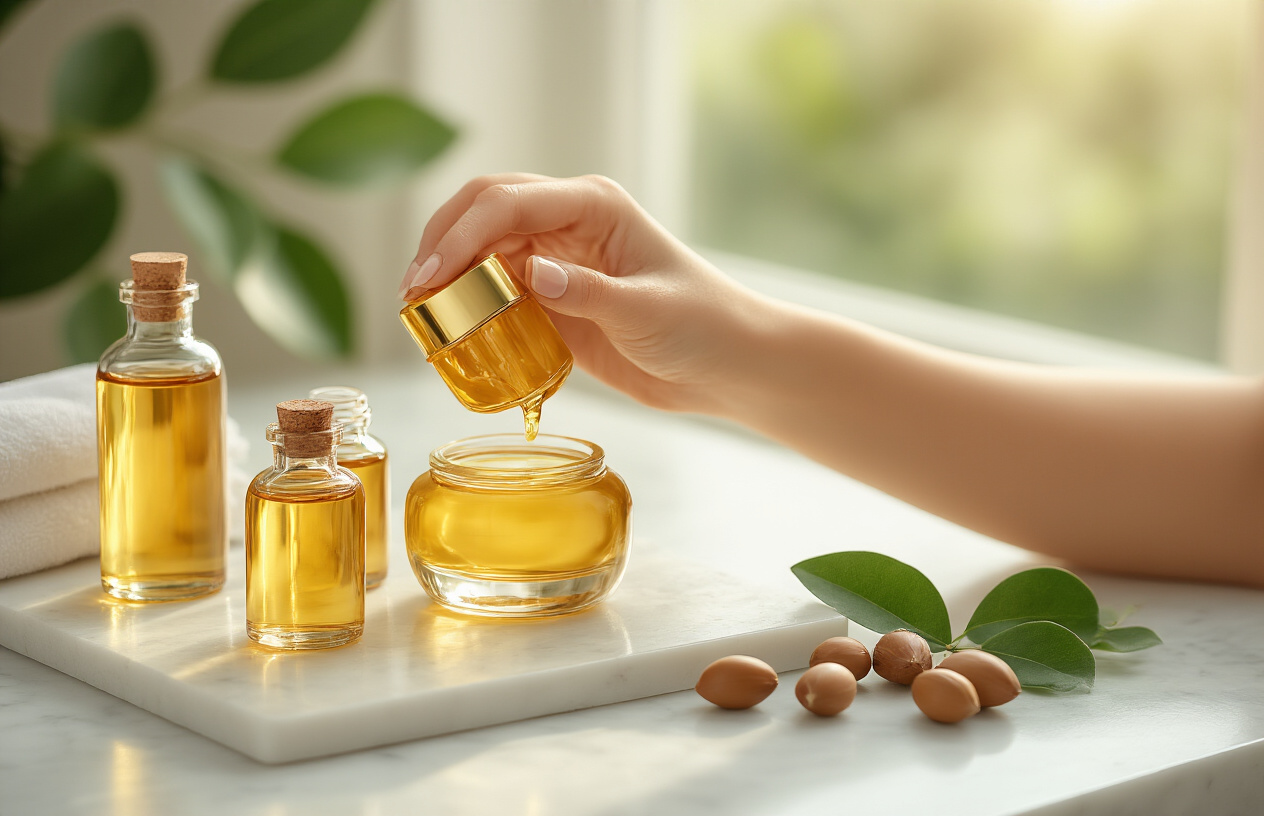
Argan oil makes an exceptional daily facial moisturizer that works beautifully for all skin types, including oily and acne-prone skin. Unlike heavy creams that can clog pores, argan oil is lightweight and absorbs quickly into the skin without leaving a greasy residue. The secret lies in its unique composition of essential fatty acids and vitamin E, which work together to restore your skin’s natural moisture barrier.
Steps:
- Cleanse your face.
- Apply 2–3 drops on slightly damp skin.
- Massage upward in circular motions.
The antioxidant properties in argan oil also provide daily protection against environmental stressors and free radicals that can cause premature aging. Regular use as a daily moisturizer helps maintain skin elasticity and promotes healthy cell turnover, keeping your complexion looking fresh and youthful.
2. How to Use Argan Oil as an Overnight Treatment?
Nighttime is when your skin does its most important repair work, making it the perfect time to give it extra nourishment with argan oil. As a nighttime moisturizer, argan oil works intensively to restore and rejuvenate your skin while you sleep, taking advantage of your body’s natural healing cycle.
At night:
- Apply 4–5 drops after cleansing.
- Let it absorb deeply as you sleep.
Results:
✔ Skin repair
✔ Reduced fine lines
✔ Faded stretch marks
✔ Smoother, softer skin
You can also mix with rosehip oil for extra anti-aging benefits.
3. Can You Mix Argan Oil With Foundation for Glow?
Transform your makeup routine by incorporating argan oil directly into your foundation for an instant healthy glow. This technique has become increasingly popular among makeup artists and beauty enthusiasts who want to achieve that coveted “glass skin” look while maintaining good coverage.
Add 1 drop of argan oil to your foundation for:
- A dewy finish
- Smoother blending
- Prevention of cakiness
- Radiant “glass skin” effect
The moisturizing properties of argan oil help your foundation glide on smoothly and prevent it from clinging to dry patches or settling into fine lines. This is especially beneficial if you have mature skin or tend to experience makeup that looks patchy throughout the day. The oil acts as a primer and moisturizer simultaneously, creating the perfect base for long-wearing makeup.
For different occasions, you can adjust the amount of oil you mix in. Use just one drop for a subtle glow perfect for everyday wear, or add two drops for special events when you want that extra radiance. The antioxidant benefits continue to work throughout the day, protecting your skin from environmental damage while keeping it hydrated under your makeup.
Choose the Right Argan Oil for Maximum Skin Results
Which Type of Argan Oil Is Best for Skin?
1. What Should You Look for When Buying Argan Oil?
When shopping for argan oil, the label “100% pure cold-pressed” should be your first checkpoint. Pure argan oil contains no additives, fillers, or synthetic ingredients that could irritate your skin or dilute the oil’s natural benefits. Cold-pressing is the extraction method that preserves the oil’s valuable nutrients, including vitamin E, essential fatty acids, and antioxidants that make argan oil so effective for skin care.
Cold-pressed argan oil maintains its natural golden color and subtle nutty scent. If you notice the oil is completely colorless or has an overpowering fragrance, it’s likely been processed with heat or mixed with other substances. Heat processing destroys many of the beneficial compounds that make argan oil special for your skin.
Verify Organic Certification and Quality Standards
Organic certification ensures your argan oil comes from trees grown without synthetic pesticides, herbicides, or chemical fertilizers. Look for certifications from recognized bodies like USDA Organic, ECOCERT, or other regional organic certification agencies. These standards guarantee that the argan nuts were harvested and processed following strict organic guidelines.
Quality argan oil should come with a certificate of analysis or third-party testing results. Reputable brands often provide information about the oil’s composition, including vitamin E content and fatty acid profile. This transparency shows the manufacturer’s commitment to quality and gives you confidence in the product’s purity.
The source matters too. Authentic argan oil comes exclusively from Morocco, specifically from the southwestern regions where argan trees grow naturally. Any argan oil claiming to be produced elsewhere should raise red flags about its authenticity.
Understand the Difference Between Cosmetic and Culinary Grades
Cosmetic-grade argan oil is specifically processed for skincare applications. The nuts are not roasted before oil extraction, resulting in a lighter color and milder scent. This type of argan oil has a longer shelf life and better stability for topical use. It’s the best choice for your daily skincare routine, whether you’re using it as a nighttime moisturizer, for anti-aging benefits, or to treat specific skin conditions.
Culinary-grade argan oil, used in Moroccan cooking, comes from roasted argan nuts. While it’s still natural and safe, the roasting process changes its composition and gives it a stronger, nuttier flavor. This type isn’t ideal for skincare because it may have a shorter shelf life and different nutrient profile compared to cosmetic-grade oil.
Some people mistakenly buy culinary argan oil for skincare use, thinking it’s the same product. While not harmful, culinary-grade oil won’t provide the same skin benefits as cosmetic-grade argan oil designed specifically for topical application.
Check Packaging for UV Protection
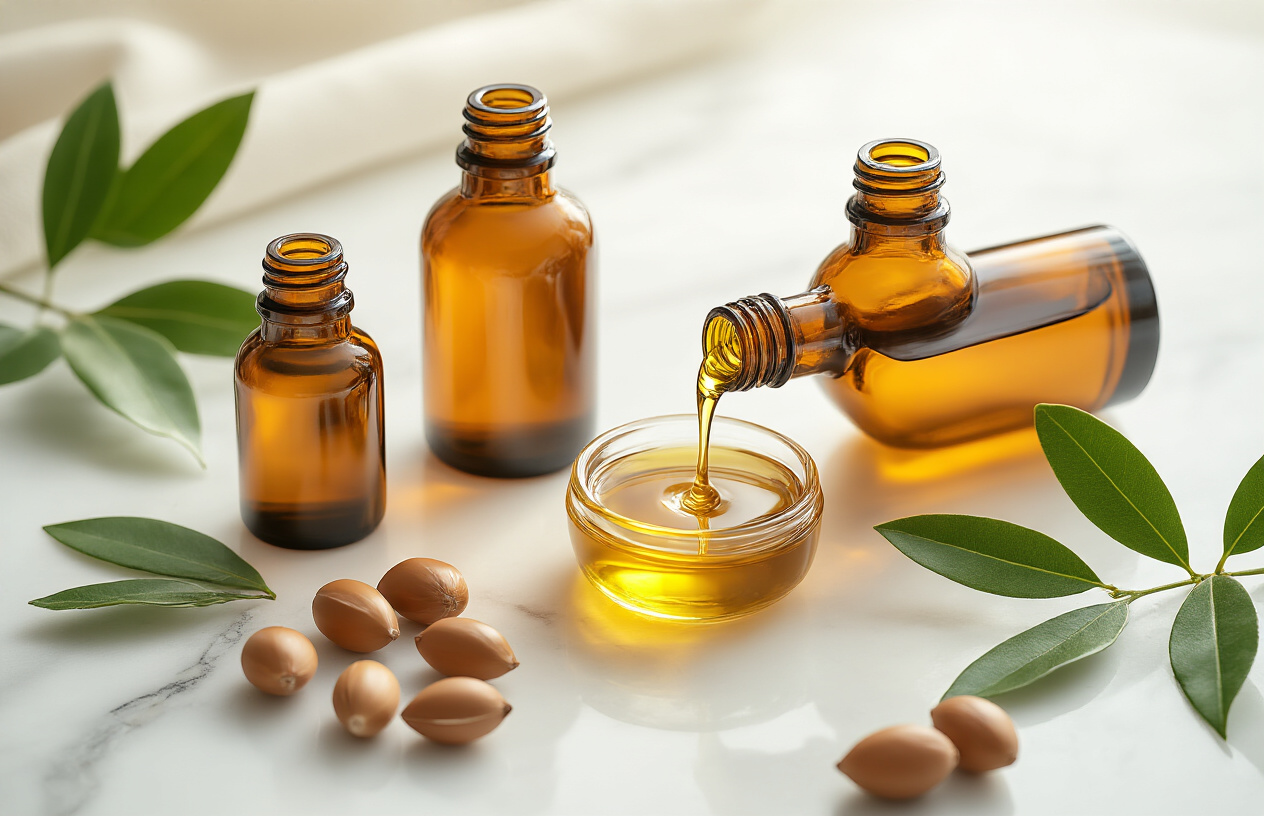
Argan oil’s beneficial compounds break down when exposed to light and heat. Quality argan oil should come in dark glass bottles – amber, cobalt blue, or dark green glass that blocks harmful UV rays. Plastic bottles or clear glass containers expose the oil to light damage, reducing its effectiveness over time.
The bottle should have a tight-fitting cap or dropper to minimize air exposure, which can cause the oil to oxidize and become rancid. Some premium brands use UV-protective packaging with additional features like airless pumps or nitrogen flushing to extend shelf life.
Store your argan oil in a cool, dark place away from direct sunlight. Even with proper packaging, heat and light will eventually degrade the oil’s quality. Check expiration dates and buy from retailers with good product turnover to ensure freshness.
Size matters when it comes to packaging. Smaller bottles (1-2 ounces) are often better choices because you’ll use the oil while it’s still fresh. Larger bottles might seem more economical, but if the oil sits around for months after opening, you might lose the potency that makes argan oil so valuable for healthy and glowing skin.+ Add Section
Maximize Argan Oil Effectiveness with Proper Application Techniques
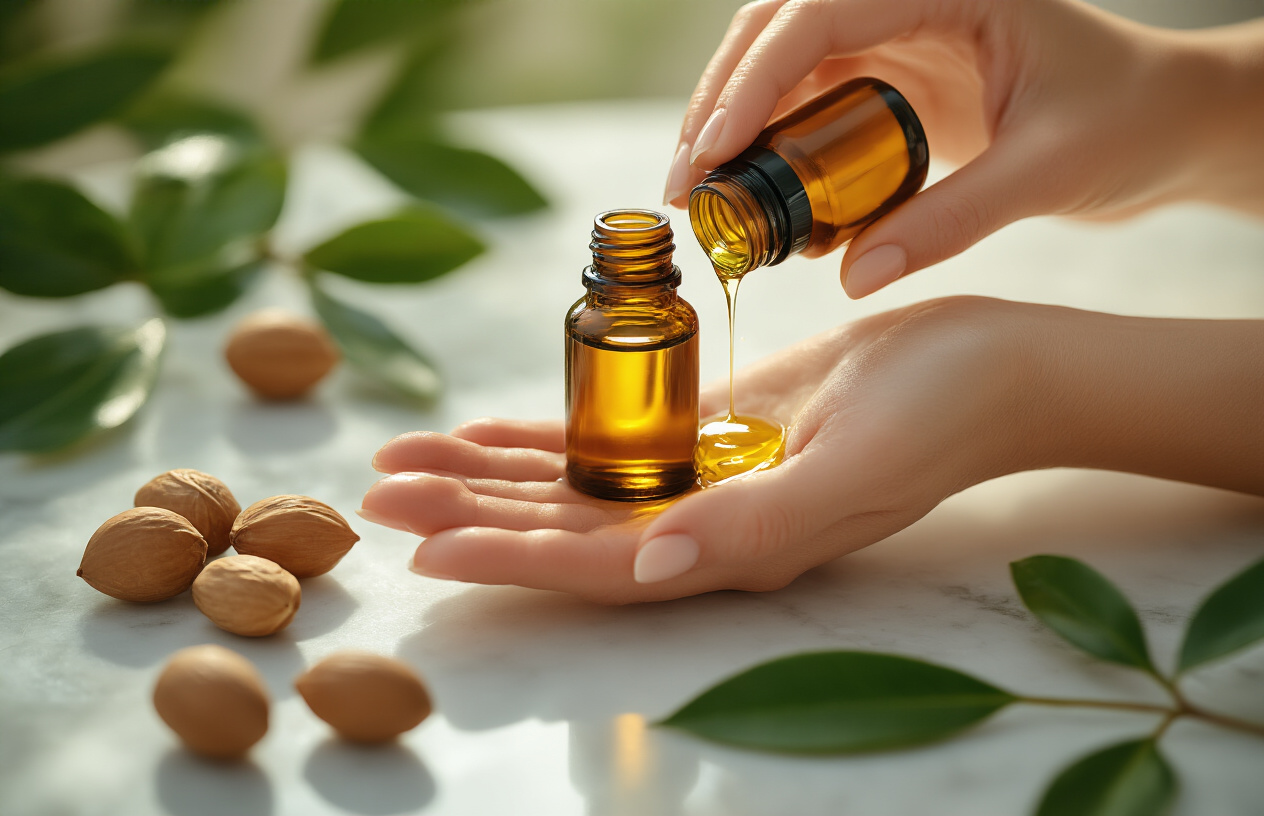
1. Should Argan Oil Be Applied on Dry or Damp Skin?
Damp skin is best.
Water helps the oil absorb deeper and lock in hydration.
2. What’s the Right Technique to Apply Argan Oil?
Use:
- Upward
- Gentle
- Circular motions
This improves blood flow and prevents tugging or sagging.
3. How Much Argan Oil Should You Use?
Start small:
- 2–3 drops for face
- 1–2 drops for oily skin
- 4–5 drops for nighttime
Too much may feel greasy.
Mix with Vitamin E Oil for Anti-Aging Boost
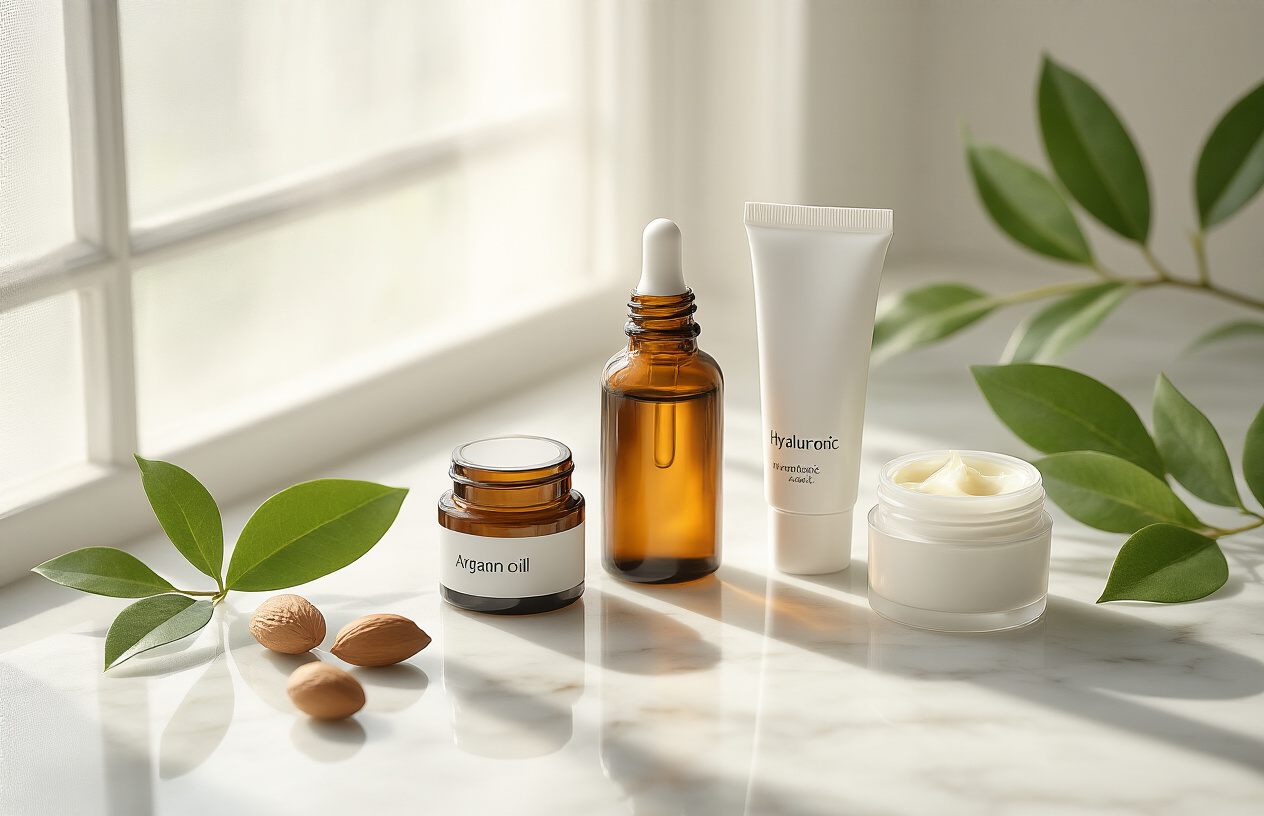
Combining argan oil with vitamin E oil creates a powerful anti-aging cocktail that addresses multiple skin concerns simultaneously. Vitamin E acts as a potent antioxidant that complements argan oil’s natural vitamin E content, creating a synergistic effect that helps prevent aging and fights free radical damage more effectively than either ingredient alone.
The ideal ratio for this mixture is 3 parts argan oil to 1 part vitamin E oil. This combination works exceptionally well as a nighttime moisturizer, allowing the oils to penetrate deeply while you sleep. The blend helps minimize fine lines, improves skin elasticity, and promotes healthy, glowing skin through enhanced collagen production.
Apply this anti-aging blend to clean skin, focusing on areas prone to wrinkles like around the eyes, mouth, and forehead. The lightweight nature of both oils means they absorb quickly without leaving a greasy residue. Users typically notice improved skin texture and reduced appearance of age spots within 4-6 weeks of consistent use.
Blend with Essential Oils for Targeted Treatments
Argan oil serves as an excellent carrier oil for essential oils, allowing you to create customized treatments for specific skin conditions. When blending, always dilute essential oils properly – use no more than 2-3 drops of essential oil per tablespoon of argan oil to avoid skin irritation.
For acne-prone skin, mix argan oil with tea tree or lavender essential oil. This combination provides anti-inflammatory benefits while the argan oil moisturizes without clogging pores. The oil control properties help balance sebum production, making it ideal for those struggling with breakouts.
To treat stretch marks, combine argan oil with frankincense or rosehip essential oil. This blend promotes skin regeneration and helps fade existing marks while preventing new ones from forming. Apply twice daily to affected areas, massaging gently in circular motions.
For soothing irritated or sensitive skin, pair argan oil with chamomile or calendula essential oil. This gentle combination reduces redness, calms inflammation, and helps heal minor skin conditions like atopic dermatitis.
| Skin Concern | Essential Oil | Benefits |
|---|---|---|
| Acne | Tea Tree, Lavender | Antibacterial, anti-inflammatory |
| Stretch Marks | Frankincense, Rosehip | Skin regeneration, fading scars |
| Irritation | Chamomile, Calendula | Soothing, healing |
| Aging | Geranium, Rose | Tightening, rejuvenating |
Layer Under Sunscreen for Daily Protection
Using argan oil as a base layer under sunscreen creates a protective barrier while providing all-day hydration. This technique works particularly well in summer when skin needs extra moisture without heaviness. Apply a thin layer of argan oil 5-10 minutes before sunscreen application, allowing it to absorb fully.
The antioxidant properties in argan oil provide additional protection against environmental damage while the sunscreen blocks harmful UV rays. This double-layer approach helps prevent aging caused by sun exposure and keeps skin supple throughout the day.
Choose a broad-spectrum sunscreen with at least SPF 30 for optimal protection. The argan oil creates a smooth base that helps sunscreen apply more evenly, reducing the risk of missed spots. This combination is especially beneficial for those with dry or mature skin who struggle with sunscreens that feel drying or chalky. Hot weather can be tough on your skin—read our expert-approved Summer Skincare Guide for tips to control oil, prevent sun damage, and keep your skin fresh.
Combine with Exfoliants for Smoother Skin
Mixing argan oil with gentle exfoliants creates a nourishing scrub that removes dead skin cells while providing deep moisturization. This prevents the dryness and irritation often associated with traditional exfoliation methods.
For a DIY exfoliant, combine 2 tablespoons of argan oil with 1 tablespoon of fine sugar or ground oats. This mixture gently buffs away dead skin while the argan oil ensures skin remains hydrated and soft. Use this treatment 1-2 times per week for best results.
The oil helps dissolve the buildup of dead skin cells and impurities, making the exfoliation process more effective while being gentler on the skin. After rinsing, skin feels incredibly smooth and appears more radiant due to improved cell turnover.
You can also apply argan oil immediately after using chemical exfoliants like alpha-hydroxy acids or beta-hydroxy acids. The oil helps soothe any potential irritation while locking in the benefits of the chemical exfoliation, resulting in smoother, more refined skin texture.
Conclusion
Argan oil stands out as a genuine skincare powerhouse that can transform your daily routine. From its deep moisturizing properties to its ability to fight signs of aging, this golden oil offers real solutions for various skin concerns. The key is choosing pure, high-quality argan oil and applying it correctly to get the most out of its natural benefits.
Start small by adding a few drops to your evening routine, and don’t be afraid to mix it with your favorite serums or moisturizers. Your skin will thank you for making this simple switch, and you’ll likely notice softer, more radiant skin within just a few weeks. Give argan oil a try – it might just become your new skincare essential.
💬 Have questions about using argan oil? Drop them in the comments — I’ll reply to every one!
FAQs About Argan Oil for Skin
1. Is argan oil good for all skin types?
Yes — argan oil works well for oily, dry, sensitive, combination, and acne-prone skin.
2. Can argan oil clog pores?
No. Argan oil is non-comedogenic with a rating of 0–1, meaning it does not clog pores.
3. How long does it take to see results?
Most users notice smoother, more hydrated skin within 2–4 weeks of consistent use.
4. Can I use argan oil every day?
Yes. You can apply argan oil both morning and night as part of your daily skincare routine.
5. Can pregnant women use argan oil?
Yes — argan oil is safe during pregnancy and can also help reduce or prevent stretch marks.

4 thoughts on “Argan Oil for Skin: Complete Guide (Benefits, How to Use, Best Type to Buy)”