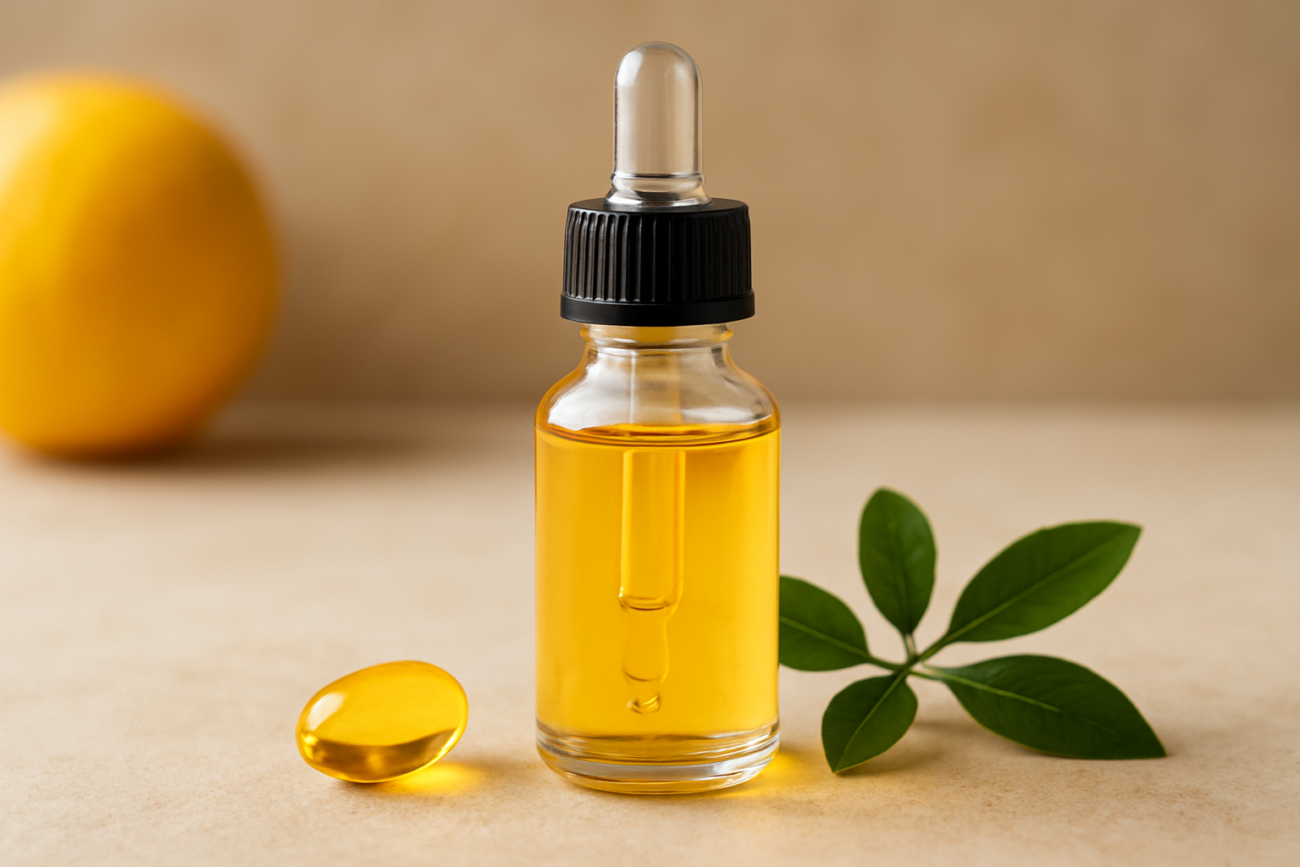
Did you know 75% of young is USA suffers from skin issues.
Table of Contents
Key Takeaways
- Vitamin E oil nourishes and protects the skin.
- It helps in reducing the appearance of fine lines and wrinkles.
- Vitamin E oil is rich in antioxidants.
- It supports skin health by combating free radicals.
- Incorporating vitamin E oil can enhance your skincare routine.
TLDR: The Power of Vitamin E Oil for Your Skin
Vitamin E oil is packed with antioxidants, making it a great addition to your skincare. It helps moisturize and nourish your skin, leaving it glowing. Adding vitamin E oil to your routine can make your skin soft and radiant.
| Benefit | Description |
| Moisturizing Properties | Vitamin E oil deeply hydrates the skin, leaving it soft and supple. |
| Antioxidant Protection | Rich in antioxidants, vitamin E oil protects the skin from environmental stressors. |
| Glowing Skin | Regular use can result in a more radiant and even-toned complexion. |
Adding vitamin E oil to your skincare routine can boost your skin’s health. It’s a natural way to improve your skin’s look and feel. Vitamin E oil is easy to use and offers many benefits for your skin.
What Is Vitamin E Oil and Why It Matters for Your Skin
Vitamin E oil is a strong antioxidant that protects our skin from harm. It’s full of nutrients that keep our skin looking young and healthy.
The Science Behind Vitamin E as an Antioxidant
Vitamin E fights off free radicals that harm skin cells. This helps prevent aging and keeps our skin healthy.
Different Forms of Vitamin E
Vitamin E has different types, like tocopherols and tocotrienols. Each type has its own strengths for the skin.
How Vitamin E Protects Skin Cells
Vitamin E keeps skin cells safe from damage. It makes skin elastic and reduces wrinkles. This makes it a great anti-aging tool.
Natural vs. Synthetic Vitamin E: Which Is Better?
There’s a debate on natural vs. synthetic vitamin E. It’s important to know the differences to pick the best product.
Tocopherols vs. Tocotrienols
Tocopherols and tocotrienols are both vitamin E types. Tocotrienols are more powerful antioxidants. Vitamin E (tocopherol) is a fat-soluble antioxidant that helps protect skin cells from oxidative stress and free radical damage. Topical application has been shown to improve the skin’s water-binding capacity after 2–4 weeks of use in small studies.
Absorption Differences
Natural vitamin E is better absorbed by the skin than synthetic. This affects how well it works in skincare.
Dr. Joshua Zeichner, a dermatologist, says,
“Vitamin E is an essential antioxidant that helps protect the skin from damage caused by free radicals.”
This shows why picking the right vitamin E is key for the best results.
The Remarkable Benefits of Vitamin E Oil for Skin Health
Vitamin E oil is a powerful antioxidant that offers many benefits for the skin. It protects against environmental damage and reduces signs of aging. Let’s explore how vitamin E oil can improve your skincare routine.
Protection Against Environmental Damage
Vitamin E oil acts as a shield against environmental stressors. Its antioxidant properties neutralize free radicals from pollution and UV radiation.
UV Radiation Defense
Vitamin E oil protects against UV radiation, which can cause photoaging and skin damage. Adding it to your skincare routine boosts your skin’s UV defense.
Pollution Protection
Vitamin E oil also shields the skin from pollution. Its antioxidants fight the negative effects of pollutants, making the skin healthier and more resilient.
Moisturizing and Hydration Properties
Vitamin E oil is known for its moisturizing and hydration benefits. It locks in moisture, making the skin soft, supple, and hydrated.
Occlusive Properties
The occlusive properties of vitamin E oil create a barrier on the skin’s surface. This prevents moisture loss and keeps the skin hydrated for longer.
Long-term Hydration Effects
Regular use of vitamin E oil can lead to longterm hydration effects. It improves the skin’s ability to retain moisture, reducing dryness and fine lines.
Anti-Aging and Wrinkle Reduction Effects
Vitamin E oil is celebrated for its antiaging benefits, including reducing wrinkles and fine lines. Its antioxidants promote collagen production and improve skin elasticity.
Collagen Support
Vitamin E oil supports collagen production, helping to maintain the skin’s firmness and structure. This reduces visible signs of aging.
Elasticity Improvement
Improved skin elasticity is another benefit of vitamin E oil. It allows the skin to snap back into place more effectively, reducing sagging skin
How Does Vitamin E Oil Work? Mechanism of Action
Vitamin E oil is great for your skin because it protects cells and strengthens the skin barrier. Let’s explore how it works to understand its benefits.
Cellular Protection and Free Radical Neutralization
Vitamin E oil is an antioxidant. It helps keep skin cells safe from free radicals. These unstable molecules can harm skin.
The Oxidative Stress Process
Oxidative stress happens when free radicals outnumber the body’s defenses. This stress damages cells, speeding up aging and causing skin problems.
Vitamin E’s Intervention Points
Vitamin E oil stops free radicals from harming skin cells. This keeps skin healthy and supports its natural repair.
Skin Barrier Enhancement
Vitamin E oil also boosts the skin’s barrier. A strong barrier keeps skin hydrated and protects it from the environment. Some clinical observations indicate that vitamin E may enhance moisturization and skin softness as it helps stop moisture loss and supports the skin’s natural barrier.
Lipid Layer Reinforcement
The lipid layer is key to the skin’s barrier. Vitamin E oil strengthens this layer, keeping skin flexible and strong.
Transepidermal Water Loss Prevention
Strengthening the lipid layer also stops water loss. This means skin stays moist, looking healthier and more vibrant.
In short, vitamin E oil protects cells and strengthens the skin barrier. It fights free radicals and boosts the lipid layer. These actions make it essential for any skincare routine.
- Neutralizes free radicals to prevent cell damage
- Enhances the skin’s barrier function
- Reinforces the lipid layer for improved hydration
- Prevents transepidermal water loss for a healthier complexion
Scientific Evidence Behind Vitamin E Oil Benefits
The scientific world has deeply studied vitamin E oil. It shows many benefits for the skin. Evidence comes from many sources, like clinical studies and dermatologist advice.
Clinical Studies and Research Findings
Many clinical studies have looked into vitamin E oil’s effects on the skin. These studies give us important insights into its benefits and uses.
Wound Healing Studies
Research shows vitamin E oil helps wounds heal faster. It does this by repairing and regenerating tissue. Its antioxidants fight off free radicals that slow healing.
Anti-Aging Research
Studies on aging have found vitamin E oil reduces fine lines and wrinkles. It fights oxidative stress, which helps with aging.
Dermatologist Perspectives
Dermatologists share their views on vitamin E oil’s benefits. They base their advice on solid clinical evidence.
Expert Recommendations
Dermatologists say vitamin E oil is great for protecting and healing the skin. They advise adding it to daily skincare routines for the best results.
Clinical Applications
In clinics, vitamin E oil is used for dry skin and minor wounds. Its wide range of uses makes it a key part of skincare.
Vitamin E Oil for Different Skin Types
It’s important to know how to use vitamin E oil for your skin type. It works well for dry, oily, and sensitive skin, but you need to use it differently.
Dry and Mature Skin Applications
Vitamin E oil is great for dry and mature skin. It moisturizes deeply and reduces fine lines and wrinkles.
Intensive Treatments
Apply vitamin E oil as a mask or serum on dry skin. This allows it to penetrate deeply and nourish your skin.
Daily Maintenance
For daily use, mix a few drops of vitamin E oil with your moisturizer. This boosts hydration and protection.
Oily and Acne-Prone Skin Considerations
When you have oily or acne-prone skin, use vitamin E oil carefully. It can clog pores if not used right.
Potential Comedogenicity
Vitamin E oil is usually safe, but reactions can differ. Watch how your skin reacts.
Proper Formulations
Choose lightweight, oil-free products or those with vitamin E and acne-fighting ingredients. This reduces the risk of clogged pores.
Sensitive and Reactive Skin Approaches
For sensitive skin, start with small amounts of vitamin E oil. This helps you see how your skin reacts.
Patch Testing Importance
Test vitamin E oil on a small skin area before using it widely. This prevents bad reactions.
Gentle Introduction Methods
Begin with a diluted version or mix it with a fragrance-free moisturizer. This lowers the chance of irritation.

| Skin Type | Application Method | Precautions |
| Dry/Mature | Intensive treatments, daily moisturizing | None specific |
| Oily/Acne-Prone | Lightweight formulations, spot treatment | Monitor for comedogenicity |
| Sensitive/Reactive | Patch testing, diluted application | Avoid high concentrations |
Addressing Specific Skin Concerns with Vitamin E Oil
Vitamin E oil is great for many skin problems. It’s a natural way to fight hyperpigmentation and dry skin. Its antioxidants help make your skin healthier and stronger.
Hyperpigmentation and Dark Spots
Dark spots or uneven skin tone can be tough to fix. Vitamin E oil helps by stopping melanin production. Melanin is what gives your skin its color.
Mechanism of Action on Melanin
Vitamin E oil lowers tyrosinase activity. Tyrosinase is key for melanin production. This leads to a more even skin tone over time.
Treatment Protocols
For best results, use vitamin E oil every day. Do this after you clean and tone your skin. Adding aloe vera or lemon juice can make it even better.
Healing Acne Scars and Marks
Acne scars and marks can be upsetting. Vitamin E oil helps by making new skin and reducing swelling.
Post-Inflammatory Hyperpigmentation
Vitamin E oil’s antioxidants fight PIH. They neutralize free radicals that worsen skin color.
Textural Improvement
Using vitamin E oil regularly can make your skin feel better. It boosts collagen and cell turnover. This makes acne scars less noticeable.
Managing Dry Skin and Eczema
Dry skin and eczema can really affect your life. Vitamin E oil keeps moisture in and calms dry, sore skin.
Barrier Repair Functions
Vitamin E oil strengthens your skin’s barrier. This stops moisture loss and guards against environmental harm.
Anti-Inflammatory Effects
Vitamin E oil’s anti-inflammatory effects reduce eczema and dry skin redness. It makes your skin more comfortable and helps it heal.
Stretch Mark and Scar Reduction
Stretch marks and scars can be lessened with vitamin E oil. It boosts collagen and improves skin flexibility. This makes these marks less visible.
How to Incorporate Vitamin E Oil into Your Skincare Routine
To get the most out of vitamin E oil, it’s key to know how to use it right. It can greatly benefit your skin’s health and look. Adding it to your daily skincare can make a big difference.
Pure Vitamin E Oil Application Methods
There are a few ways to use pure vitamin E oil. You can apply it straight to your skin or mix it with other products.
Pure Vitamin E Oil Application Methods
For direct use, just massage a few drops onto your skin. Focus on areas like fine lines or dry spots. This way, your skin absorbs it best.
Pure Vitamin E Oil Application Methods
If your skin is sensitive, you can mix it with your moisturizer or serum. Adding a few drops to your usual product can boost its effects.
DIY Vitamin E Oil Recipes and Masks
Making your own vitamin E oil recipes and masks is fun and effective. Here are some ideas to try.
Facial Treatments
For a face mask, mix vitamin E oil with honey and yogurt. Apply it to your face and leave it on for 15-20 minutes. Then, rinse it off.
Body Treatments
Vitamin E oil is great for body treatments too. Mix it with coconut oil and sugar to make a body scrub. Rub it on your skin and rinse with warm water.
Ideal Time and Frequency of Use
Knowing when and how often to use vitamin E oil is important. It helps you get the most benefits.
Morning vs. Evening Application
You can use vitamin E oil in both your morning and evening routines. In the morning, it protects your skin from the environment. At night, it helps repair and rejuvenate your skin.
Treatment Intensity Guidelines
Start with a small amount (a few drops) and add more as needed. Being consistent will help improve your skin’s look and feel over time.
Vitamin E Oil for Different Body Parts
Vitamin E oil is great for different parts of the body. It makes our skincare routine better. It’s good for the face, body, and more.
Face Application Techniques
Using vitamin E oil on the face needs the right method. Gently massage a few drops into the skin until it’s fully absorbed. This boosts circulation and helps the oil get deep into the skin.
Layering with Other Products
You can layer vitamin E oil with other skincare products. Put it on after cleansing and toning, but before moisturizing. This helps it absorb better.
Targeted Treatment Areas
Use vitamin E oil on areas with fine lines, wrinkles, or dark spots. Targeted application can make these look better over time.
Body Care with Vitamin E
Vitamin E oil is good for the body too. It keeps dry skin hydrated and makes skin more elastic.
Dry Areas Focus
Put vitamin E oil on dry spots like elbows and knees. It keeps moisture in and softens the skin.
Post-Shower Application
Apply vitamin E oil after a shower, when your skin is still damp. It makes moisturizing better.
Lips, Lashes, and Hair Benefits
Vitamin E oil is also good for lips, lashes, and hair. It nourishes and protects these areas.
Overnight Treatments
Use vitamin E oil as an overnight treatment for lips and lashes. It repairs and nourishes them.
Growth and Strengthening Effects
Massage vitamin E oil into your scalp to help hair grow and strengthen lashes.

Potential Side Effects and Limitations of Vitamin E Oil
Vitamin E oil is generally safe for the skin. But, it’s not perfect for everyone. Some people should be careful or avoid it.
Who Should Avoid Vitamin E Oil?
Not everyone can use vitamin E oil. It might not work well for certain skin types or medical conditions.
Skin Type Contraindications
Those with oily skin or acne should be careful. Vitamin E oil might make oiliness worse and block pores.
Medical Condition Considerations
People with bleeding disorders or taking blood thinners should talk to their doctor. Vitamin E oil could increase bleeding risk.
Possible Reactions and Allergies
Some people might have bad reactions to vitamin E oil. This includes allergic reactions.
Contact Dermatitis Signs
Contact dermatitis shows as redness, itching, and irritation. If you see these signs, stop using it.
When to Discontinue Use
If you get any bad effects like more redness or itching, stop using it right away.
| Condition | Precaution |
| Oily skin | Use sparingly to avoid clogging pores |
| Bleeding disorders | Consult a doctor before use |
| Anticoagulant medications | Consult a doctor before use |
Choosing the Right Vitamin E Products: What to Look For
Vitamin E oil is known for its many benefits. But picking a good product can be tricky. Knowing what to look for is key.
Understanding Concentrations and Percentages
Vitamin E products vary in concentration. Understanding the percentage of vitamin E is crucial for its effectiveness.
Effective Dosage Ranges
Studies show vitamin E works best at 5% to 20%. But the best percentage depends on your skin type and needs. Over-the-counter anti-aging creams often include 0.05–1 % vitamin E as an active ingredient for skin conditioning and antioxidant support.
Formulation Considerations
The way vitamin E is mixed into products matters a lot. Look for products that pair vitamin E with other good ingredients.
Quality Indicators and Red Flags
When picking a vitamin E product, watch for quality signs and red flags.
| Quality Indicators | Red Flags |
| Natural ingredients | Artificial fragrances |
| Clear labeling of concentrations | Unclear or missing ingredient lists |
| Dark glass packaging | Excessive fillers or additives |
Ingredient List Analysis
Always check the ingredient list. A product with minimal, natural ingredients is usually better.
Packaging and Stability
Vitamin E oil is light and oxygen sensitive. Dark glass packaging helps keep it strong.
Price Considerations and Value
Price is important, but value is more so. Cheaper doesn’t always mean better in the long run.
Final Thoughts: Is Vitamin E Oil Worth Adding to Your Skincare Arsenal?
Vitamin E oil is a natural antioxidant that brings many benefits to your skin. It protects against environmental damage and keeps your skin moisturized and hydrated. Adding it to your skincare routine can make a big difference.
We’ve looked into the science behind vitamin E oil and its benefits. It’s also important to know about possible side effects and allergies. But overall, vitamin E oil is a great addition to your skincare. It helps strengthen your skin’s natural barrier and can even reduce wrinkles.
In conclusion, we think vitamin E oil is a great choice for your skincare. Its antioxidant properties and versatility make it useful for many skin types and concerns. If you want to improve your skin’s health and appearance, vitamin E oil is definitely worth trying.
💬 Have you used Vitamin E oil before? Share your experience in the comments!
FAQ
What is the ideal concentration of vitamin E oil for skincare?
The best concentration of vitamin E oil for skincare is between 0.5% to 3%. Always check the product label or ask a dermatologist for advice.
Can vitamin E oil be used on sensitive skin?
Yes, but be careful. Always do a patch test before using it on sensitive skin. Stop using if you see any irritation.
How often should I apply vitamin E oil?
How often you apply vitamin E oil depends on your skin. For most, once or twice a day is good. But if you have oily skin, start with less to avoid clogged pores.
Can vitamin E oil help with acne scars and hyperpigmentation?
Yes, it can. Vitamin E oil’s antioxidants help heal skin, reducing scars and dark spots.
Is it better to use natural or synthetic vitamin E oil?
Natural vitamin E oil is better. It’s absorbed by the skin better and is safer.
Can I use vitamin E oil on my lips and lashes?
Yes, it’s good for lips and lashes. It moisturizes and strengthens. But be careful not to get it in your eyes.
How does vitamin E oil help with dry skin and eczema?
It repairs the skin barrier, reduces inflammation, and hydrates for a long time.
Can vitamin E oil be used during pregnancy?
It’s usually safe, but talk to a healthcare provider first. This is true for any new skincare products during pregnancy.
How long does it take to see results from using vitamin E oil?
Results vary based on your skin and skincare routine. You might see improvements in a few weeks to months.

4 thoughts on “Vitamin E Oil: Nourish, Protect, and Restore Your Skin”