Collagen accounts for 30% of your body’s protein, yet understanding collagen for skin matters more than most people realize. As the most abundant protein in your body, collagen determines your skin’s firmness and elasticity. Nevertheless, our bodies gradually produce less collagen as we age, leading to wrinkles and sagging skin. This article examines what research actually reveals about collagen benefits, including oral supplements, topical applications, foods high in collagen, and the differences between marine collagen and hydrolyzed collagen. I’ll show you science-backed strategies to protect your skin’s collagen and choose the best type of collagen for your needs.
Table of Contents
What Collagen Actually Does for Your Skin
Your skin has a complex network of proteins that decide whether it remains firm or starts to sag. Collagen makes up 80% of the dry weight of your skin, acting as the primary structure that holds everything together in your dermis. However, it is not just one kind of protein; there are actually 28 different types of collagen in your body, each with a distinct purpose in maintaining skin structure and elasticity.
The structural protein behind skin firmness
Type I collagen is predominant in your skin’s composition, representing 90% of your body’s total collagen content. This type is known as fibrillar collagen and is composed of fiber-like structures woven together in your skin’s extracellular matrix—the under-armor that provides structural support and biomechanical support for your skin. The structure of the collagen molecule features a triple helix of amino acids, with every third amino acid being glycine and the others proline and hydroxyproline. This specific molecular structure gives your skin the strength it needs to remain firm and plump.
Type III collagen also provides tensile strength for your skin, especially during fetal development where it represents more than half of your body’s collagen content. Other types of collagen play important supporting roles in skin health. For example, beaded filament-forming collagen types 6, 16, and 18 assist in filament formation, while collagen type 6 interacts with other elements of your skin’s matrix, such as hyaluronic acid. Additional supporting types include network-forming collagen types 4, 8, and 10, as well as type 7 collagen, known as anchoring fibrils that help attach layers of skin together.
How collagen maintains skin elasticity
Collagen works alongside elastin and hyaluronic acid to maintain your skin’s elasticity, volume, and moisture [1]. The elastic fiber network imparts elasticity and resilience to your tissues, comprising elastin and microfibrils composed of various proteins [1]. Your skin’s elasticity depends on the function of this network, and its formation involves many factors working in concert [1].
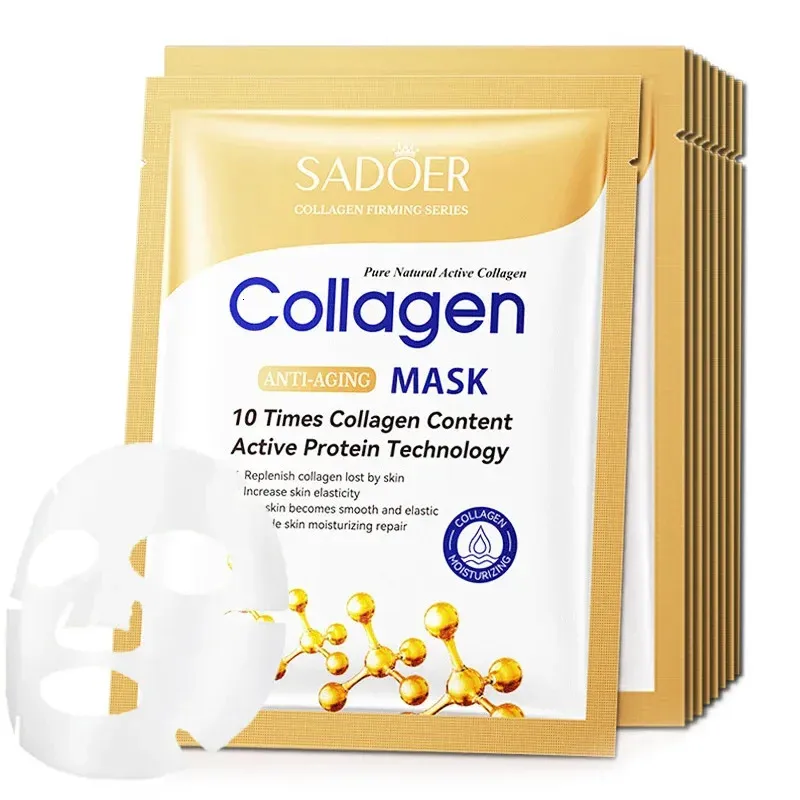
When you consume collagen peptides, particularly those rich in proline-hydroxyproline, they stimulate hyaluronic acid production in dermal fibroblast cells [1]. Hyaluronic acid serves as the key molecule involved in skin moisture retention, possessing a unique capacity to hold water molecules [1]. In effect, collagen doesn’t work alone. It provides essential components for both elastin and collagen production while attaching to fibroblast receptors in your dermis to initiate the production of elastin and hyaluronic acid [3].
Fibroblasts, the cells responsible for producing collagen, operate within your dermis to create extracellular matrix proteins that enhance skin health [3]. These rising fibroblasts produce a plethora of proteins that slow skin aging [3]. Correspondingly, collagen helps fibroblasts form in your dermis, which assists new cell growth and plays a role in replacing dead skin cells [4].
What is the connection between collagen and wrinkle formation
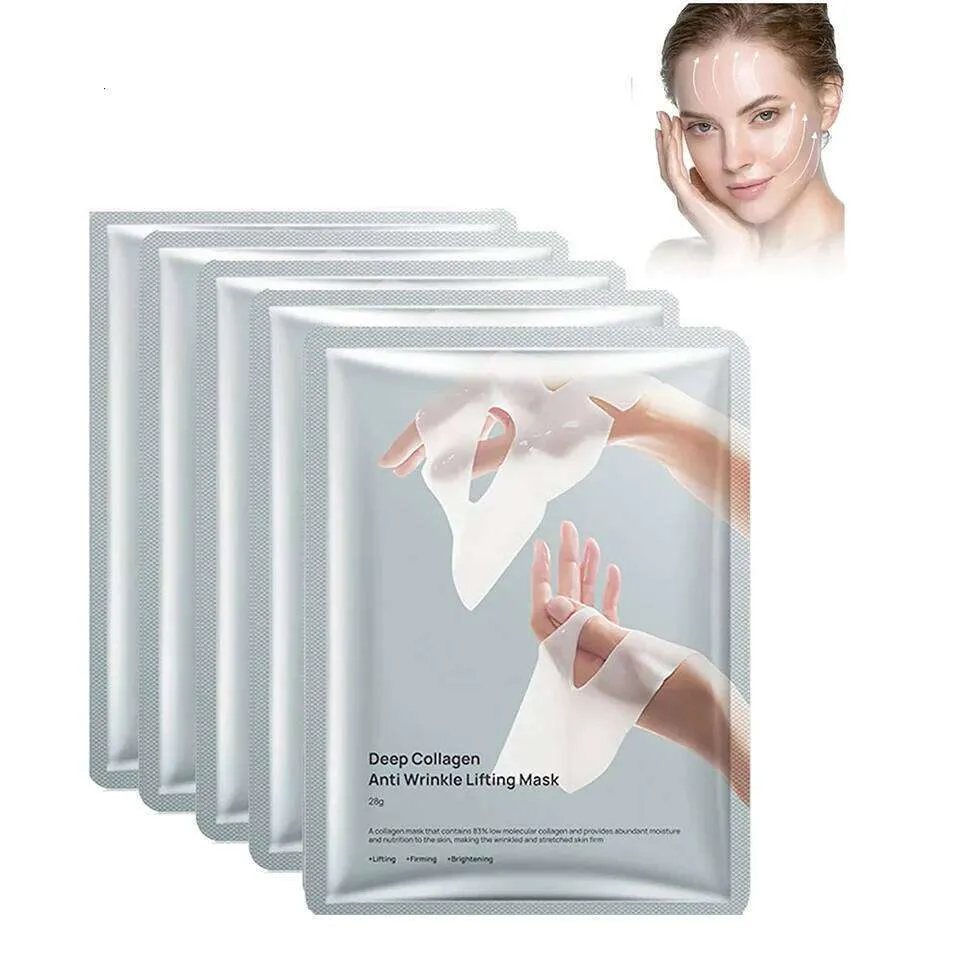
The reduction in skin quality with age is primarily caused by a decrease in the synthesis of collagen and skin vascularity, which directly results in decreased elasticity and the formation of wrinkles on your skin. Aging triggers a reduction in the enzymes responsible for the post-translational processing of collagen. This process decreases the number of fibroblasts—the cells responsible for collagen synthesis—as well as the vessels responsible for supplying your skin with collagen. These effects stem from the combined impact of reduced fibroblast activity and diminished vascularization in your skin.
As you age, your skin undergoes distinct regressive changes, including dehydration, decreased elasticity, and thinning of the epidermis. Research shows that aging fundamentally alters the composition of collagen in the deep layers of your skin. Rather than maintaining a closely ordered network of collagen, your skin gradually develops an unordered maze of collagen fibers over time. External environmental exposures further accelerate the reduction in the thickness and strength of these collagen fibers, directly contributing to wrinkle formation on your skin’s surface. As collagen strength diminishes, the upper layers of your skin begin to sag and develop indentations, creating the visible wrinkles associated with aging skin.
The Science Behind Collagen Loss and Skin Aging
The decline begins earlier than most people expect. Your body starts losing collagen production capacity in your mid-to-late twenties, with some researchers pinpointing age 25 as the threshold [3][1][1]. This isn’t a sudden drop but a gradual process that compounds over time.
Natural collagen decline after age 25
Collagen synthesis gradually decreases by 1-1.5% each year after you reach your mid-twenties. By the time you turn 80 years old, your collagen production has dropped by 75% compared to when you were between 18 and 29 years of age. For women, there is an added disadvantage: after menopause, women experience a substantial reduction in their collagen levels. However, for all of us, there is a marked decline in collagen synthesis after we turn 60 years of age.
This age-related collagen loss occurs through two primary mechanisms. The first reason is that fibroblasts—the cells responsible for producing collagen—gradually become less efficient at their work. This has been confirmed through research showing that cells from individuals between 18 and 29 years of age produce 82±16 ng/ml of type I procollagen, while cells from individuals over 80 years old produce only 56±8 ng/ml. The second mechanism involves an overall reduction in fibroblast cell count: your skin loses approximately 35% of its fibroblasts from your twenties through your eighties. This means you have fewer collagen-producing cells, and each remaining cell also operates with reduced efficiency, creating a double burden on your skin’s ability to maintain firmness and elasticity.
UV damage and collagen breakdown
Sun exposure represents the number one external factor in premature collagen breakdown [6][5]. UV radiation triggers a cascade of destructive processes in your skin. When UV rays penetrate your dermis, they increase production of matrix metalloproteinases (MMPs), enzymes that degrade extracellular matrix proteins including collagen, elastin, and proteoglycans [4]. Studies reveal that UVB radiation causes a more than fourfold increase in MMP-1 gene expression in keratinocytes [4].
UV exposure also generates reactive oxygen species (ROS), leading to oxidative stress that damages collagen fibers and inhibits new collagen synthesis [4][7]. The process involves stimulating the mitogen-activated protein kinase family, which forms activator-1 protein (AP-1). This protein regulates transcription of MMP-1, MMP-3, and MMP-9, resulting in progressive collagen degradation [4].
Interestingly, UV irradiation causes rapid degradation of decorin, a proteoglycan that normally protects collagen fibrils from MMP-1 cleavage. Decorin levels drop by nearly 25% at 8 hours and 40% at 24 hours post-UV exposure [7]. Once decorin degrades, collagen becomes more susceptible to breakdown. Research shows sun-damaged skin contains 20% less total collagen than sun-protected skin [8].
How lifestyle habits accelerate collagen loss
Smoking delivers a devastating blow to collagen health. Tobacco smoke contains thousands of chemicals that activate inflammatory pathways and oxidative stress, accelerating collagen loss [6]. Nicotine constricts blood vessels near your skin’s surface, preventing oxygen and nutrient delivery [3]. Smokers produce more MMPs than non-smokers, explaining why smoking can make you look 10-15 years older [9].
Sugar consumption damages collagen through glycation. When sugar attaches to proteins, it forms advanced glycation end products (AGEs) that make collagen fibers stiff, brittle, and prone to breakage [3][6]. Chronic stress raises cortisol levels, which breaks down collagen and slows production [3][6]. Alcohol triggers inflammation and activates MMPs while depleting vitamin A stores needed for collagen production [9]. Sleep deprivation matters too. Growth hormone essential for collagen production releases during deep sleep [3].
What are the signs your skin is losing collagen
Collagen loss manifests through multiple physical changes:
- Wrinkled, creepy, or sagging skin
- Hollowing in and around the eyes and face
- Fine lines appearing more defined
- Lack of firmness with skin that does not bounce back quickly
- Dry or dehydrated skin
- Thinning skin that looks fragile
- Large pores
- Joint pain or stiffness due to worn cartilage
- Slow healing of wounds
- Gastrointestinal problems
This depends on the intrinsic as well as extrinsic factors that are within your control.
Oral Collagen Supplements: What Research Actually Shows
While collagen supplements promise to reverse the clock, what does the science really say? There’s promise, but also some limitations that you should be aware of before you decide to shell out your hard-earned cash on collagen supplements for skin health.
“Which is your biggest skin concern right now?
- Fine Lines
- Loss of bounce/dewiness
- Hydration
- All of the above! 👇”
How collagen peptides work in your body
When collagen is ingested, it undergoes digestion in the gastrointestinal system and is converted into amino acids and peptide fragments. This digestive process begins within 30 minutes and peaks at 30-60 minutes after ingestion. Collagen peptides offer a distinct advantage over other proteins because they are already partially digested, making them easier for the body to absorb.
The essential truth is that your body cannot absorb collagen in its pure form. It must be broken down into peptide form to facilitate absorption in the gastrointestinal tract. Hydrolyzed collagen peptides—also known as collagen hydrolysate—are designed specifically for this purpose. Once ingested, they are distributed in the bloodstream within 30 minutes, reaching maximum concentration in 1-2 hours. Research indicates that approximately 10% of bioactive collagen peptides are digested and absorbed in their intact form, traveling through the bloodstream to directly stimulate the metabolism of cells in connective tissue. The remaining 90% are broken down into amino acids and utilized by the body as a source of protein to build new connective tissue, including skin, bones, and tendons.
However, an important nuance exists: your body does not specifically target collagen peptides to your skin. Instead, they are distributed where your body is actively using the most protein at that time—whether for muscle repair, wound healing, or skin maintenance. This underscores the importance of consistent collagen supplementation to ensure your skin receives its share of these vital building blocks.
Clinical studies on skin hydration and elasticity
Multiple studies demonstrate collagen peptides improve skin metrics. A meta-analysis found hydrolyzed collagen supplementation significantly improved skin hydration with a pooled effect size of 0.63 and skin elasticity with an effect size of 0.72 [12]. One trial showed participants receiving collagen had a 46% reduction in wrinkle volume, 44% reduction in area, and 34% increase in skin moisturization after 6 weeks [13].
Studies using 2.5g of collagen peptides for twelve weeks markedly improved skin hydration, roughness, elasticity, and density compared to placebo [14]. Research on low-molecular-weight collagen peptide showed higher skin-hydration values after 6 and 12 weeks, with two out of three elasticity parameters significantly higher after 12 weeks [14].
On the other hand, conflicting evidence exists. A meta-analysis revealed that studies not receiving pharmaceutical company funding showed no significant effect on skin hydration, elasticity, and wrinkles, while industry-funded studies did show significant effects [8]. High-quality studies revealed no significant effect, while low-quality studies showed improvement [8].
Best type of collagen for skin benefits
Type I collagen makes up 90% of the collagen in your body, and this is the most effective form of collagen for the skin. Marine collagen products contain Type I collagen with lower molecular weights, which may increase the absorption of the collagen. Research has shown that type I bovine collagen peptides may help decrease fine lines and wrinkles, improve skin elasticity, as well as hydration.
When to take collagen for optimal results
Consistency matters more than perfect timing [16]. Most studies showing positive results used 2.5-10 grams of collagen peptides daily, with benefits typically appearing after 4-8 weeks of regular use [7]. Taking collagen in the morning on an empty stomach may improve absorption [17]. For exercise recovery, take it one hour before or after resistance training [16]. Pairing collagen with vitamin C supports collagen synthesis, as many supplements include 80-150 milligrams of vitamin C [16].
Topical Collagen vs. Foods High in Collagen
The skincare aisle overflows with collagen creams promising youthful skin, yet the science tells a different story about collagen for skin benefits.
Why topical collagen has limitations
Collagen molecules are too large to penetrate your skin barrier. For effective skin penetration, a substance needs a molecular weight of 500 Daltons or less [3]. Collagen in its native form exceeds this size, making penetration unlikely [3]. Collagen fibers cannot penetrate the epidermis when applied topically [6]. Instead, topical collagen acts as a moisturizer, forming a protective layer on your skin’s surface rather than replenishing deeper collagen [3].
Hydrolyzed collagen breaks down into smaller peptides, but these fragments cannot reassemble to build collagen in skin layers [6]. While peptides offer benefits like cell proliferation and water retention, they differ from collagen itself [6]. Topical collagen primarily improves hydration and creates temporary plumping effects [18].
Foods rich in collagen for natural production
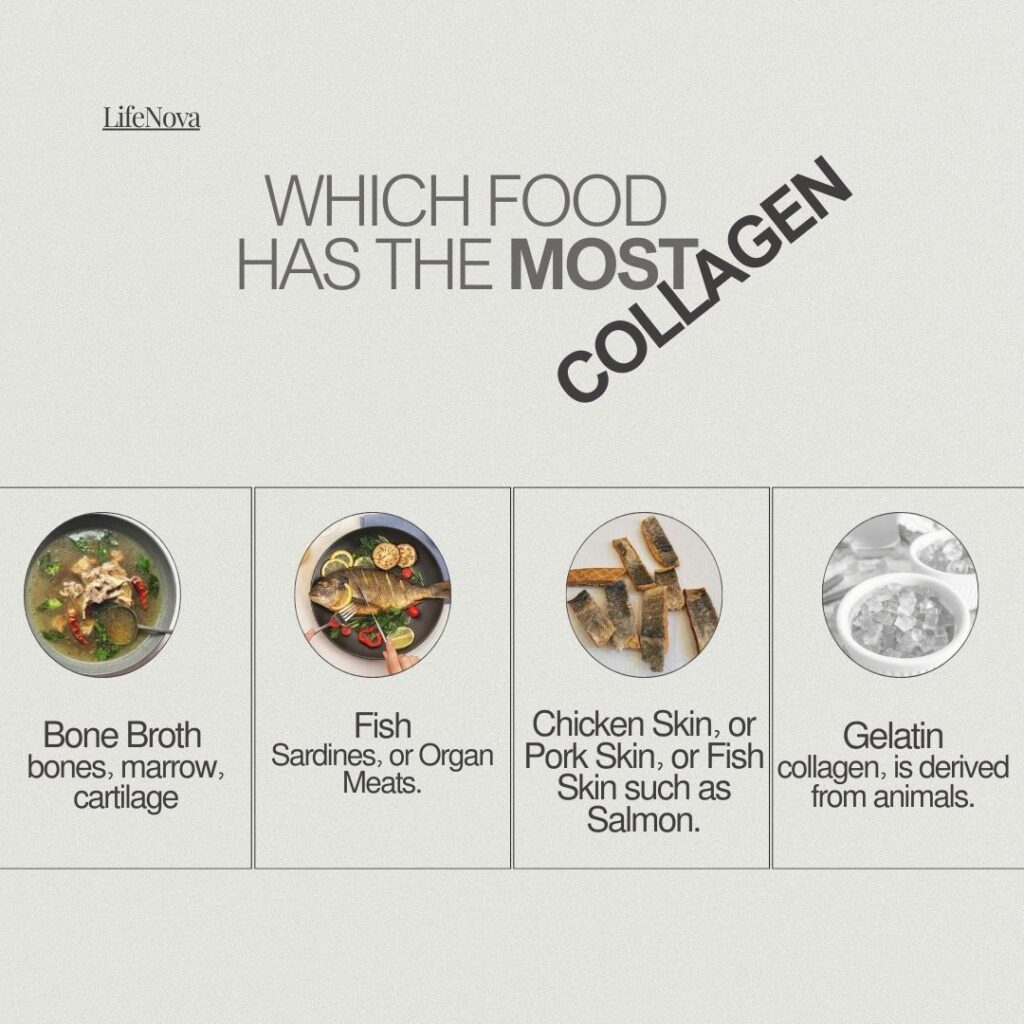
Which nutrients can boost collagen synthesis
Vitamin C acts as a necessary cofactor in the synthesis of collagen. Research revealed that vitamin C increases the synthesis of collagen by raising the level of mRNA encoding collagen types I and III [21]. Citrus fruits, bell peppers, and leafy vegetables are rich in vitamin C. Zinc and copper are also essential in the synthesis of collagen by acting as cofactors. The amino acids required by the body to synthesize collagen are glycine, proline, and hydroxyproline .
Marine collagen and hydrolyzed collagen explained
Marine collagen comes from fish skin, scales, and bones, rich in type I collagen [23]. Research suggests marine collagen may be absorbed more efficiently due to smaller peptide size [23]. Bovine collagen contains both type I and type III collagen, supporting skin elasticity and joint comfort [23]. Hydrolyzed collagen refers to collagen broken down into smaller peptides for better absorption [24].
Building Your Collagen Protection Strategy
| The Offenders (Damage) | Impact on Collagen | The Defenders (Protection) | Impact on Collagen |
|---|---|---|---|
| UV Radiation | Increases MMP enzymes that degrade collagen. | SPF 30+ (Daily) | Prevents UV-induced breakdown. |
| Sugar (Glycation) | Creates AGEs that make collagen brittle. | Low-GI Diet | Reduces stiffening of fibers. |
| Smoking | Constricts blood vessels & increases MMPs. | Antioxidants (Vit C) | Neutralizes free radicals & aids synthesis. |
| Stress/Lack of Sleep | Raises cortisol; reduces growth hormone. | Retinoids | Stimulates fibroblast activity. |
How combining supplements with lifestyle changes
Supplements cannot substitute for unhealthy behaviors like smoking, skipping sun protection, or inadequate sleep [26]. A holistic approach works best. Pair collagen supplementation with a balanced diet including protein-rich foods, fruits, and vegetables [27]. Control stress through meditation or breathing exercises, as chronic cortisol elevates collagen breakdown [1]. Limit alcohol to one drink daily for women or two for men [27].
What are common mistakes that reduce collagen effectiveness
Poor-quality supplements that lack third-party testing are essentially a waste of your hard-earned cash. Without proper quality control and purity verification, you cannot guarantee you are getting effective collagen peptides. Additionally, dosage matters: not taking enough collagen makes supplementation useless. Clinical studies suggest that an effective dosage of 5-20 grams per day is necessary to see meaningful improvements in skin health and collagen production.
Timing and combinations also affect collagen absorption. For example, iron supplements should be taken at least two hours apart from collagen, as they can hinder absorption and reduce effectiveness. Your diet plays an equally critical role. A high sugar diet stimulates the formation of advanced glycation end products (AGEs) , which make collagen fibers less flexible, more brittle, and prone to breakage. Similarly, excessive caffeine consumption can interfere with collagen synthesis, depending on the amount consumed. Protecting your collagen investment means avoiding these collagen inhibitors while maintaining consistent supplementation.
Conclusion
Protecting your skin’s collagen requires a comprehensive approach rather than relying on a single solution. While oral collagen supplements show promise when taken consistently at 2.5-10 grams daily, they work best alongside lifestyle changes like daily sunscreen use, adequate sleep, and stress management.
Indeed, your daily habits matter more than any supplement. UV protection prevents collagen breakdown, while vitamin C and retinoids actively support production. Essentially, you cannot supplement your way out of poor lifestyle choices.
Take a holistic approach by combining quality supplements with smart skincare and healthy behaviors. This strategy gives you the best chance of maintaining firm, elastic skin as you age.
FAQs
Does the molecular weight of collagen peptides really matter for absorption?
Yes, significantly. This is where quality control matters. Collagen must be “hydrolyzed” to break it down into smaller peptides. You are looking for a molecular weight of 2000 Daltons (2kDa) or less. Low molecular weight peptides have higher bioavailability, meaning they are small enough to survive digestion and actually reach the bloodstream and dermis to trigger collagen synthesis. If the powder is “heavy” and doesn’t dissolve well, the molecular weight might be too high.
Is it true that Vitamin C is necessary to activate collagen production? Should I take them together?
Absolutely. Vitamin C is a crucial cofactor for the enzymes (prolyl hydroxylase and lysyl hydroxylase) that stabilize and cross-link collagen molecules. Without sufficient Vitamin C, the collagen structure becomes unstable. While you don’t have to take them in the same drink, taking them together enhances absorption and utilization. If your collagen supplement lacks Vitamin C, pair it with a glass of orange juice or take your Vitamin C serum seriously.
Is there a difference between collagen pills and collagen powder?
The active ingredient is the same, but the efficacy can differ. Powders typically allow for a higher therapeutic dosage per serving (usually 10-20g) compared to pills/capsules (which might only offer 1-2g per serving because of physical size limits). To get the clinically effective dose for skin (around 10g) from pills, you might have to swallow a handful of capsules daily. Powders are also usually more cost-effective and absorb faster as a liquid.
12. Will taking collagen make me gain weight?
No, collagen will not directly cause weight gain. Collagen is a protein, and protein generally promotes satiety (feeling full). However, collagen does contain calories and amino acids. If you add it to your diet without adjusting your caloric intake elsewhere, it could theoretically contribute to a caloric surplus. But used as directed, it is a tool for body composition (supporting muscle and skin), not a cause of fat gain.
References
[1] – https://drwhitneybowebeauty.com/blogs/derm-scribbles/aging-overnight-dermatologist-insight-on-collagen-loss-and-what-you-can-do-about-it-at-home?srsltid=AfmBOoq2y4p3ZVtizpGmd7je-7GMa6-tEv-aP64FGx5hAGX9QNBWZNrT
[2] – https://www.evonik.com/en/company/businesslines/cs/personal-care/caretrends/trendingtopics/collagen-hero-of-skin.html
[3] – https://www.bubsnaturals.com/blogs/all-about-collagen/can-collagen-molecules-penetrate-skin-understanding-the-science-behind-collagen-absorption?srsltid=AfmBOooUl7Kx-BtJT11ZDYMuN5xNw3b_VEjg6LeV8akATc3brbqFxsF9
[4] – https://my.clevelandclinic.org/health/articles/23089-collagen
[5] – https://pmc.ncbi.nlm.nih.gov/articles/PMC4206198/
[6] – https://pmc.ncbi.nlm.nih.gov/articles/PMC9122277/
[7] – https://wellbeingnutrition.com/blogs/skin-beauty/essential-checklist-choosing-the-best-collagen?srsltid=AfmBOoqf8PIXUyL700YQJU7H_P3Np9tP9uBAOsxD7qzR-sQZmefZZi5p
[8] – https://www.sciencedirect.com/science/article/abs/pii/S0002934325002839
[9] – https://nutritionsource.hsph.harvard.edu/collagen/
[10] – https://wellbeingnutrition.com/blogs/gut-detox-cleanse/collagen-timing-your-essential-morning-night-checklist?srsltid=AfmBOop0V88gGAXfX2gkfnuh-5kHbZ32nV3UEIxfnZb8RYYqiixiVzWJ
[11] – https://www.gelita.com/en/knowledge/blog/how-are-collagen-peptides-absorbed-body
[12] – https://pmc.ncbi.nlm.nih.gov/articles/PMC10180699/
[13] – https://www.mdpi.com/2079-9284/11/4/137
[14] – https://pmc.ncbi.nlm.nih.gov/articles/PMC8620403/
[15] – https://vitaquest.com/how-to-choose-the-right-type-of-collagen-for-your-supplement-line/
[16] – https://www.eatingwell.com/best-time-to-take-collagen-11697802
[17] – https://www.newsmilelife.com/blogs/blogs/best-time-to-take-collagen-maximum-benefits?srsltid=AfmBOorbuSXqvhlIR79JjwyOEBEffrE6DdiOnqjzl9MI_U4C-OR9pFvH
[18] – https://setu.in/blogs/listing/the-problem-why-topical-skincare-alone-cant-replace-collagen-loss?srsltid=AfmBOoq36CE429r9Z7pcmXahrQVTWV71SpP1P9y3wAfmVswdXZpUO3wz
[19] – https://www.verywellhealth.com/collagen-boosting-foods-11904079
[20] – https://www.eatingwell.com/article/7896640/best-foods-to-eat-for-a-collagen-boost/
[21] – https://www.sciencedirect.com/science/article/pii/S0022202X15412564
[22] – https://health.clevelandclinic.org/the-best-way-you-can-get-more-collagen
[23] – https://www.verywellhealth.com/marine-collagen-vs-bovine-11804991
[24] – https://pubmed.ncbi.nlm.nih.gov/33742704/
[25] – https://www.adventhealth.com/hospital/adventhealth-orlando/blog/caring-skin-youre-collagen-preservation-tips
[26] – https://www.uclahealth.org/news/article/should-you-take-collagen-supplements
[27] – https://www.health.harvard.edu/blog/considering-collagen-drinks-and-supplements-202304122911
[28] – https://www.healthshots.com/healthy-eating/nutrition/what-to-avoid-when-taking-collagen-mistakes/
[29] – https://1upnutrition.com/blogs/expert-advice/5-collagen-mistakes-you-might-be-making-how-to-fix-them?srsltid=AfmBOooRYZLtglbcJofTRVYaGwv52mtM4MV-FCtwazNKJlj0OQMeagfO
[30] – https://wellbeingnutrition.com/blogs/skin-beauty/how-to-maximize-collagen-absorption-naturally?srsltid=AfmBOooXDRUWXs11Y8l0h3mZ09q83nr3ZKiDVnqQbqiGmKFED7h32SZY

2 thoughts on “Why Collagen for Skin Matters More Than You Think (Science-Backed)”