
Artificial Intelligence (AI) is no longer a futuristic concept; it has already started reshaping education in the USA. From AI quiz generator tools that make exams easier to virtual classrooms powered by VR and AR, the role of AI in education has become both exciting and controversial. While some celebrate its benefits like personalized learning, AI tutors, and better organization of homework and grades, others raise questions about AI ethics, over-dependence, and whether AI can replace teachers.
Table of Contents
What is AI in Education?
AI in Education refers to the use of artificial intelligence applications to make teaching, learning, grading, and student development more effective and personalized. Instead of relying only on traditional methods, schools and universities are now adopting smart AI tools to create interactive and engaging learning environments.
For example, students today use note-taking AI apps, AI for memorizing concepts, and even ChatGPT for assignments and research. Teachers, on the other hand, benefit from AI lesson planning tools, adaptive e-learning platforms, and specialized AI sites for teaching and grading. These tools don’t just save time—they allow educators to focus more on creativity, mentorship, and problem-solving rather than repetitive tasks.
The combination of these technologies creates smarter classrooms, improves student performance, and introduces personalized learning pathways where every learner gets the support they need. From virtual reality classrooms to AI quiz generators and microlearning courses, AI is transforming the way education is delivered both in-person and online.
In short, AI in education is not just a trend—it’s a revolution that is reshaping how knowledge is taught, understood, and applied in real life. 🚀 Just like AI is shaping classrooms, it’s also revolutionizing other industries such as health and fitness. Check out our guide on AI in Fitness and Health to see how smart tools are transforming workouts and personal wellness.
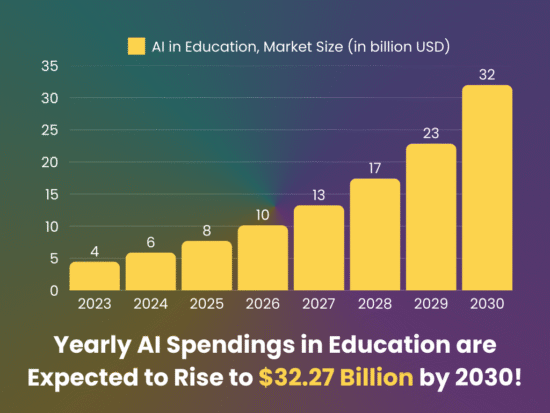
Benefits of AI in Education
The benefits of AI in education are vast and transformative, especially for both students and teachers. By integrating AI tools into the classroom, learning becomes more personalized, efficient, and engaging, while teaching becomes less about repetitive tasks and more about creativity and innovation.
For students, AI offers:
- Personalized learning paths that adapt to their strengths, weaknesses, and learning speed, ensuring no student is left behind.
- AI tutors and free study tools that help with completing assignments, preparing for exams, and organizing tasks.
- Support in note-taking, memorization, and concept clarity, making even difficult subjects easier to understand.
- AI-powered quiz generators, adaptive e-learning platforms, and immersive VR/AR learning experiences that turn traditional lessons into interactive journeys.
For teachers, AI offers:
- The role of AI in education is not limited to students—it’s equally transformative for teachers. By automating routine tasks and providing smart digital tools, AI allows educators to focus more on mentorship, creativity, and innovation instead of being stuck with administrative burdens.
- Key benefits for teachers include:
- AI quiz generator tools that instantly create quizzes, worksheets, and tests, helping teachers save hours of preparation time while ensuring variety and fairness.
- AI-powered lesson planning apps that reduce workload, provide ready-to-use teaching materials, and ensure lessons are aligned with student needs.
- Academy-style online tuition platforms powered by AI that allow teachers to reach more learners globally, breaking geographical barriers.
- Automated grading and assessment systems that provide quick, accurate, and unbiased results, giving teachers more time for interactive classroom discussions.
- AI teaching assistants that help in tracking student behavior, performance, and engagement, enabling personalized guidance and support.
- With these tools, teachers can work smarter, not harder—enhancing the quality of education while also improving their own work-life balance.
Education also means balance. For students and teachers preparing for hot days, our Summer Skincare Guide offers tips to stay fresh and healthy during the season.
AI in Education: Quiz Generator Tools
One of the most popular uses of AI in classrooms today is through AI quiz generator tools. These smart applications allow teachers to instantly create adaptive quizzes, worksheets, and practice tests, saving hours of preparation time that would otherwise be spent designing assessments manually.
For students, the benefits are equally powerful. Instead of receiving one-size-fits-all questions, learners get personalized and customized practice tests that adapt to their strengths and weaknesses. This not only helps them improve grades but also allows them to focus more on weak areas, making learning more effective.
Additionally, many AI quiz apps offer features like instant feedback, progress tracking, and performance analytics, which motivate students to keep practicing and make it easier for teachers to monitor classroom progress. In short, AI quiz generators transform assessments into smarter, faster, and more personalized learning tools.
After exams and lessons, taking a break is essential. Explore our list of Top Summer Vacation Travel Destinations for inspiration on where to recharge.
VR and AR Education
Another growing trend in modern classrooms is the integration of VR education and AR learning. These technologies are revolutionizing the way students study, interact, and retain knowledge.
- Virtual Reality (VR) allows students to step into immersive learning experiences—for example, exploring historical events through realistic simulations, visiting distant places without leaving the classroom, or even practicing complex surgeries in a 3D virtual lab. This hands-on approach makes lessons more engaging and impactful.
- Augmented Reality (AR), on the other hand, transforms traditional study materials by overlaying digital elements on physical textbooks, worksheets, and classrooms. With AR, a biology diagram can turn into a 3D animated model, or a geography map can display real-time climate changes, making learning interactive and memorable.
Together, VR and AR in education not only make learning fun and engaging, but also enhance memory retention, critical thinking, and problem-solving skills. These tools are especially powerful for STEM education, medical training, and skill-based learning where visualization plays a key role.
👉 In short, VR education and AR learning are shaping the future of classrooms, ensuring that students move beyond passive reading into active, experiential learning.
Adaptive E-Learning Platforms and Microlearning
Adaptive E-Learning Platforms and Microlearning are revolutionizing the way students learn online. Unlike traditional classrooms where everyone follows the same pace, AI-driven platforms like Coursera, DreamBox, and other personalized learning apps use advanced algorithms to adapt lessons according to each student’s performance, behavior, and progress. This means that struggling students get extra support, while advanced learners are challenged with higher-level content—ensuring that no one feels left behind.
At the same time, microlearning courses are becoming increasingly popular. Instead of overwhelming students with long lectures, lessons are broken down into bite-sized chunks that can be completed in just a few minutes. This makes exam preparation, homework, and concept revision much easier and far more engaging.
The combination of adaptive learning and microlearning improves focus, knowledge retention, and overall student performance. It also allows teachers to track progress in real-time and provide personalized feedback, making the learning experience more effective and enjoyable.
AI Literacy: Preparing Students for the Future
As AI becomes more powerful in education and daily life, AI literacy has emerged as an essential skill for students. It’s no longer enough to simply use AI tools—students must also understand how to use them responsibly and ethically.
AI literacy equips learners with the knowledge to succeed in education, research, and future careers where artificial intelligence will play a transformational role. By developing these skills early, students gain a competitive edge in the job market while also becoming more critical thinkers in the digital age.
An equally important aspect of AI literacy is understanding AI ethics. This includes:
- Recognizing the risks of plagiarism and over-dependence on AI in assignments.
- Learning about data privacy and how personal information is handled by AI platforms.
- Understanding the balance of how much reliance on AI is acceptable in education without replacing creativity or independent thought.
In short, AI literacy prepares students not just to use AI, but to use it wisely—ensuring they are responsible digital citizens and ready for the AI-powered future of learning and work.
Pros and Cons of AI in Education
Like any innovation, AI in education comes with both advantages and challenges. Understanding these helps teachers, students, and institutions use AI responsibly.
🌟 Pros of AI in Education
- Smarter and more personalized learning platforms – AI tailors lessons to a student’s pace, strengths, and weaknesses.
- Time-saving tools for teachers and students – From AI quiz generator tools to automated grading and lesson planning apps, AI reduces workload and boosts efficiency.
- Accessibility through free AI sites and apps – Students can now access AI tutors, note-taking apps, and study aids anytime, making education more inclusive and affordable.
- Enhanced engagement and retention – With VR education, AR learning, and immersive experiences, lessons become more interactive and memorable.
⚠️ Cons of AI in Education
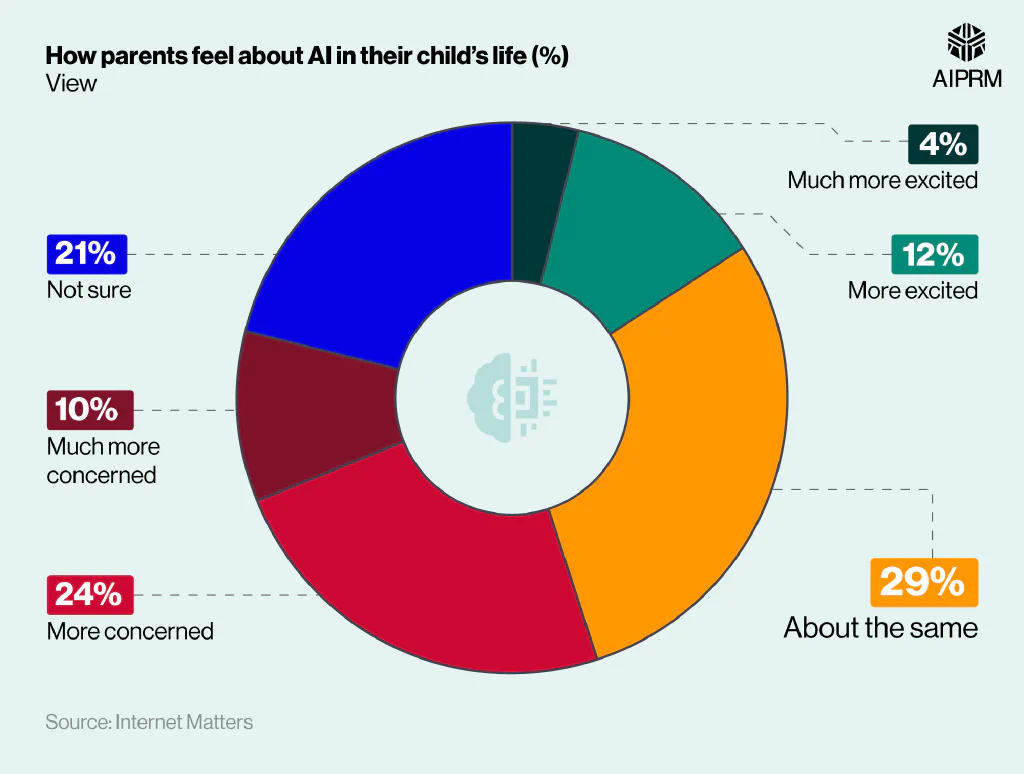
- Overdependence on AI tools – Students may rely too heavily on AI for assignments, exams, and homework, reducing their problem-solving skills.
- Ethical challenges – Issues like plagiarism, data privacy, and AI bias raise concerns about fair use.
- The teacher replacement debate – Can AI replace teachers? Or should it remain a support tool to assist human educators rather than replace them?
- Lack of AI literacy – Without proper AI ethics education, students may misuse AI instead of using it to enhance learning responsibly.
👉 In short, while AI is transforming classrooms, its responsible and balanced use is the key to making it an asset rather than a risk.
⚡ Will AI Replace Teachers or Support Them?
One of the hottest debates in education today is: “Will AI replace teachers?” The truth is, while AI can grade faster, create quizzes in seconds, and even deliver personalized lessons, it cannot replace the human touch. A teacher’s empathy, mentorship, emotional support, and ability to inspire creativity can never be replicated by an algorithm.
Instead, AI should be seen as a powerful teaching assistant—a digital partner that handles repetitive tasks like grading, planning, and generating worksheets, so teachers can focus on what matters most: shaping minds, building confidence, and encouraging problem-solving skills.
Think of AI as a co-pilot in the classroom. It provides the tools, but the teacher is still the captain of learning. Together, they create smarter, faster, and more engaging classrooms where students don’t just learn facts, but also learn how to think critically.
📌 Bottom line: AI is not here to replace teachers—it’s here to empower them.
Challenges and AI Ethics
| Feature | Traditional Learning 📚 | AI-Powered Learning 🤖 |
|---|---|---|
| Lesson Planning | Manual, time-consuming | AI apps generate instant lesson plans |
| Assessments | Paper-based, fixed | AI quiz generators, adaptive tests |
| Learning Style | One-size-fits-all | Personalized & adaptive learning |
| Accessibility | Limited to classroom hours | 24/7 via AI tutors & apps |
| Engagement | Books, lectures | Interactive VR/AR experiences |
The challenges of AI in education often center on ethics, student behavior, and fair use. While AI offers powerful benefits, it also raises questions about how it shapes the thinking patterns of youth and their approach to learning.
- Creativity vs. Laziness – Teachers often worry that students may rely too heavily on AI for homework, assignments, and exams, leading to reduced critical thinking and problem-solving skills.
- Impact on Student Behavior – Easy access to AI-generated answers can encourage shortcuts, making students less inclined to practice discipline and independent learning.
- AI Ethics & Fair Use – Concerns about plagiarism, data privacy, and fairness are growing as AI becomes a daily classroom tool.
- The Key Question – Instead of asking “Can AI replace teachers?”, schools now ask: “How much AI use is acceptable for students?”
👉 The real challenge lies in striking a balance between innovation and responsibility. AI should be seen as a supportive tool—enhancing creativity, saving time, and personalizing learning—while still encouraging students to think, explore, and grow independently.
📖 Case Studies of AI in Education
Across the world, case studies of AI in education are showing promising results. Universities are using AI in research to analyze learning patterns, track student performance, and even predict academic success. Schools are adopting AI tutors, quiz generator tools, and adaptive e-learning platforms to boost engagement and improve grades.
Educational journals and articles frequently highlight the transformational role of AI in education, showcasing how it is reshaping both classrooms and higher education. From personalized learning paths to AI-powered homework support, these real-life examples prove that AI is not just the future—it is already changing education today.
👉 Whether through online study apps, microlearning courses, or immersive VR and AR learning experiences, AI is setting the stage for a smarter, more inclusive, and more efficient education system. AI doesn’t just transform schools—it’s entering our homes too! From cleaning to smart energy savings, explore how AI is changing everyday living in our blog on AI in Home Maintenance .
How to Use AI in Education Responsibly
While the benefits of AI in education are undeniable, the real challenge lies in using it wisely and ethically. Students must understand that AI is a tool for growth, not a shortcut. Instead of relying on it to complete assignments, they should use it for idea generation, concept clarification, and exam preparation.
For teachers, the responsibility is even greater. Educators should:
- ✅ Set clear ethical guidelines for AI use in classrooms.
- ✅ Teach AI literacy, ensuring students know when and how to use tools like ChatGPT.
- ✅ Highlight key issues such as plagiarism, data privacy, and fair use.
By encouraging responsible habits, schools can strike the perfect balance—using AI to enhance creativity, efficiency, and learning outcomes, without letting it overshadow critical thinking or originality.
📌 Key takeaway: AI should empower learners and teachers, not replace the fundamental skills of curiosity, problem-solving, and independent thinking.
🔧 Best AI Tools in Education
Some of the best AI tools and applications widely used in modern classrooms include:
- AI Quiz Generator Tools 📝 – For creating instant assessments, worksheets, and adaptive tests.
- Note-Taking AI Apps 🖊️ – Helping students organize lectures, memorize key concepts, and study more efficiently.
- AI Tutors & Personalized Platforms 🎓 – Offering one-on-one learning support tailored to each student’s strengths and weaknesses.
- ChatGPT & OpenAI-Powered Platforms 🤖 – Assisting with assignments, explanations, brainstorming, and deeper understanding of concepts.
- Free AI Tools for Students & Teachers 📚 – Managing homework, grades, and lesson plans, while saving time and boosting productivity.
👉 With these tools, AI in education is transforming classrooms into smarter, more personalized, and highly efficient learning environments
🚀 The Future of AI in Education
The future of AI in education looks both bright and complex. On one hand, AI is revolutionizing how students learn, how exams are conducted, and how assignments are completed. From personalized learning platforms to AI-driven assessments, the classroom experience is becoming smarter, faster, and more engaging.
On the other hand, educators and policymakers face important challenges—such as student over-dependence on AI, ethical dilemmas like plagiarism and data privacy, and the growing concern about whether AI could replace teachers.
The truth is, while AI will never fully replace human teachers, it is becoming an inseparable part of classrooms. Teachers provide emotional intelligence, mentorship, and creativity—skills no AI can replicate. Together, teachers and AI tools can create a balanced, future-ready education system that is both innovative and responsible.
👉 Ultimately, the future of AI in education lies in striking the right balance—using technology to empower learning without losing the human connection that makes education truly meaningful.
🌟 Conclusion
The importance of AI in education cannot be overstated. From VR and AR-powered classrooms to AI quiz generators, adaptive e-learning platforms, and personalized study apps, artificial intelligence is transforming the way students learn and teachers teach.
Its transformational role lies in creating smarter classrooms, improving student performance, and giving teachers the tools to save time while enhancing lesson quality. Students benefit from personalized learning experiences, while teachers gain access to AI-driven resources that support grading, lesson planning, and student development.
However, with these advancements come challenges. Ethics, fairness, data privacy, and the risk of over-reliance on AI must be carefully managed to ensure education remains balanced and responsible.
👉 Ultimately, the future of AI in education will not be defined by whether we use it—but by how responsibly we integrate it into schools, universities, and online learning platforms. When used wisely, AI has the power to create a more inclusive, engaging, and future-ready education system.
FAQs on AI in Education
What is AI in education?
AI in education means using artificial intelligence tools such as quiz generators, adaptive platforms, and AI tutors to support teaching, learning, grading, and student growth.
How is AI used in schools?
Schools use AI apps for personalized learning, lesson planning, quick grading, and smart quizzes. Some also include VR and AR learning for immersive classrooms.
What are the benefits of AI in education?
- Personalized learning paths
- Reduced teacher workload
- Smart lesson planning with AI apps
- Free AI tools for students & teachers
Will AI replace teachers?
No, AI cannot replace teachers. It supports grading, planning, and content delivery, while teachers provide mentorship, creativity, and problem-solving.
How to use AI in education responsibly?
Responsible use of AI in education includes following AI ethics, avoiding plagiarism, protecting data privacy, and learning how to use AI as a growth tool instead of over-depending on it.
👉 “Do you think AI will improve learning or make students too dependent? Share your thoughts in the comments below!”

Leave a Reply