Overview
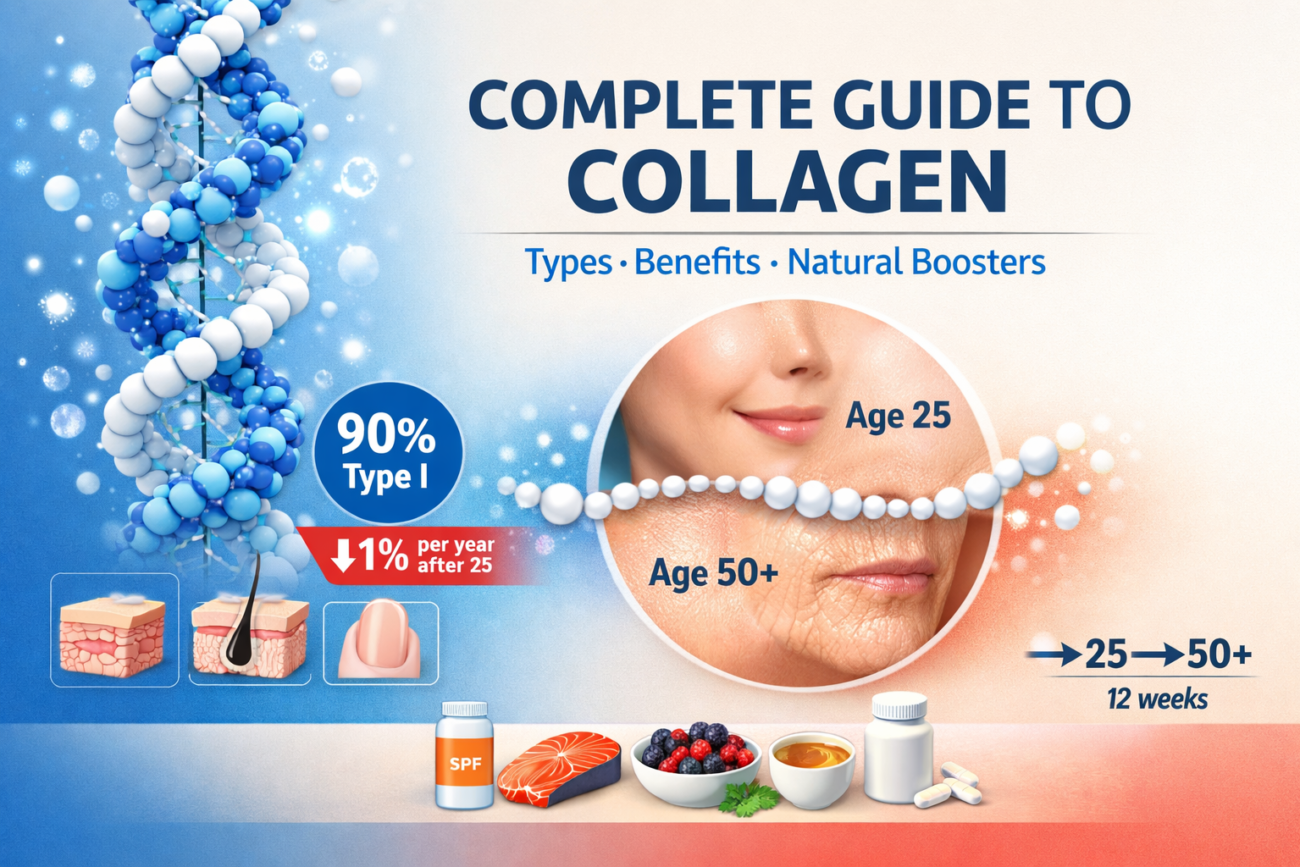
Collagen is the most abundant protein in the human body and essentially the “scaffolding” that holds the human body together. There are more than 28 types of collagen, with Type I collagen representing the vast majority of the total amount of collagen in the human body at around 90%. Collagen essentially gives the human body its strength—both bone and cartilage as well as the firmness of the skin. Yet as the amount of collagen naturally decreases by 1% each year after the age of 25, the distinction between fibril-forming collagens such as Types I, II, and III and network-forming collagens such as Type IV becomes important for addressing health issues such as joint and skin problems.
Table of Contents
Introduction
There are 28–29 types of collagen identified in the human body. Collagen is classified into several superfamilies based on structure and assembly:
- Fibrillar collagens — Form long, strong fibrils (Types I, II, III, V, XI, XXIV, XXVII).
- Network-forming / basement membrane collagens — Create mesh-like networks (e.g., Type IV).
- FACIT collagens (Fibril-Associated Collagens with Interrupted Triple helices) — Associate with fibril surfaces (e.g., Types IX, XII, XIV, XVI, XIX, XXI).
- Anchoring fibril collagens (Type VII).
- Beaded filament / microfibril collagens (e.g., Type VI).
- Others — Including transmembrane types (e.g., XVII), multiplexin family (e.g., XV, XVIII), and more specialized ones.
All collagens share the signature triple-helix domain (three polypeptide chains wound together), but they differ in chain composition, interruptions in the helix, and how they assemble into higher-order structures. Over 90% of total body collagen consists of Types I and III combined, with Type I alone accounting for ~90% in many contexts. Global collagen market valued at $8.3 billion in 2023 and projected to reach $12.5 billion by 2030
Major Collagen Types
| Type | Main Chain Form | % of Total Collagen | Key Tissues | Primary Role |
|---|---|---|---|---|
| I | [α1(I)]₂ α2(I) | ~90% | Skin, bone, tendon, ligament | Tensile strength, rigidity |
| II | [α1(II)]₃ | Major in cartilage | Cartilage, vitreous humor | Compressive resistance, flexibility |
| III | [α1(III)]₃ | Significant | Skin, vessels, organs | Elasticity, extensibility |
| IV | α1–α6(IV) variants | Basement membranes | Kidney glomeruli, epithelial BM | Filtration barrier, sheet-like support |
| V | [α1(V)]₂ α2(V) etc. | Minor | Cornea, placenta, with Type I | Fibril regulation, interface support |
What Does Collagen do for Skin?
There are several potential benefits associated with Collagen, particularly due to the fact that Type I Collagen, which is the most common form of Collagen in human skin, provides structure, firmness, and elasticity to the skin. It has been noted that as an individual ages, their Collagen levels tend to reduce at a rate of 1% every year, starting between their mid-20s to mid-30s, which can lead to dry skin, reduced elasticity, wrinkles, and sagging.
The main ways Collagen can help an individual’s skin are as follows:
- Hydration (Moisture Retention) – Collagen can help retain moisture in the skin, making it look more hydrated and less dry.
- Elasticity – Collagen can help retain elasticity in an individual’s skin, making it look firmer.
- Improves Skin – This can help an individual’s skin look better overall, which can also help in healing cuts and protect against environmental factors such as UV rays, which come from sun exposure.
- Reduces Wrinkles and Roughness – Collagen can help make an individual’s skin look smoother, which can help reduce wrinkles.
What the Scientific Evidence Shows
- According to studies, skin moisture content increases by ~10-14%, elasticity increases by ~20-23%, and wrinkle depth/roughness decreases by ~20% after 12 weeks.
- Some studies indicate that there are improvements in upper dermal layers of skin, which are the first signs of aging, and even bonus benefits like scalp/hair health.
Collagen is an indirect agent, as the peptides are absorbed, and fibroblasts are stimulated to increase the production of natural collagen, elastin, and hyaluronic acid.
What are the Potential Benefits of Collagen for Hair?
Research (mostly from 2022–2025 studies) suggests hydrolyzed collagen peptides (broken down for better absorption) may help in these ways:
- Improved hair thickness and strength — Some clinical trials show increases in hair diameter/thickness and perceived thickness. For example, one 2024 randomized study found significant improvements in hair healthy appearance (31.9% increase vs. placebo), with participants reporting thicker-feeling hair (66.7% vs. 44.2% in placebo) after 12 weeks.
- Reduced hair loss / shedding — Collagen peptides may prolong the anagen (growth) phase of the hair cycle and support follicle stem cells, potentially reducing excessive shedding in conditions like telogen effluvium or androgenetic alopecia. Ex vivo (human hair follicle culture) studies from 2024 showed marine and bovine collagen peptides maintained follicles longer in the growth phase and preserved stem cell quiescence.
- Better scalp health — Improvements in scalp scaling (reduced flaking/inflammation by ~11%), sebum balance, and overall condition, which indirectly supports healthier hair growth.
- Increased hair density / count — Some trials report modest increases in total hair count per area (e.g., ~27–33% relative improvement vs. placebo in one 2024 study, though not always statistically significant).
- Smoother, shinier, less brittle hair — Participants often report smoother texture (77% vs. 56% placebo) and better overall appearance, possibly due to collagen providing amino acids (like proline, glycine) for keratin production and fighting oxidative damage to follicles.
- Potential anti-graying or protective effects — Limited animal/in vitro data suggest collagen may help prevent follicle damage from free radicals, which could slow premature graying, but human evidence is weak.
These effects are seen mainly with oral hydrolyzed collagen (5–10 g/day, often Types I & III from marine or bovine sources), typically after 8–12 weeks or longer of consistent use. In vitro and animal studies (e.g., fish collagen peptides in mice) show strong promotion of dermal papilla cell proliferation, upregulation of growth factors (IGF-1, VEGF, Ki67), and modulation of pathways like Wnt/β-catenin (pro-growth) and BMP (inhibitory).
How Collagen for Nails?
For nail health, there is limited but positive evidence for supplements containing collagen.
- One significant study published in 2017 and subsequent follow-up studies have shown that daily supplements of bioactive collagen peptides at a dosage of 2.5g/d increased nail growth rate by 12% and reduced broken and brittle nails by 42% after 24 weeks.
- Other studies have shown that supplements improve nail strength, growth rate, color, and brittleness after 8-12 weeks.
This is done by providing amino acids that are necessary for the production of keratin (peptides) in the nails and may provide increased tissue strength. For brittle nails, a dosage of 2.5-5g/d of hydrolyzed collagen may be beneficial and may be noticeable after 3-6 months.
Master Microneedling: Comprehensive Training for Professionals
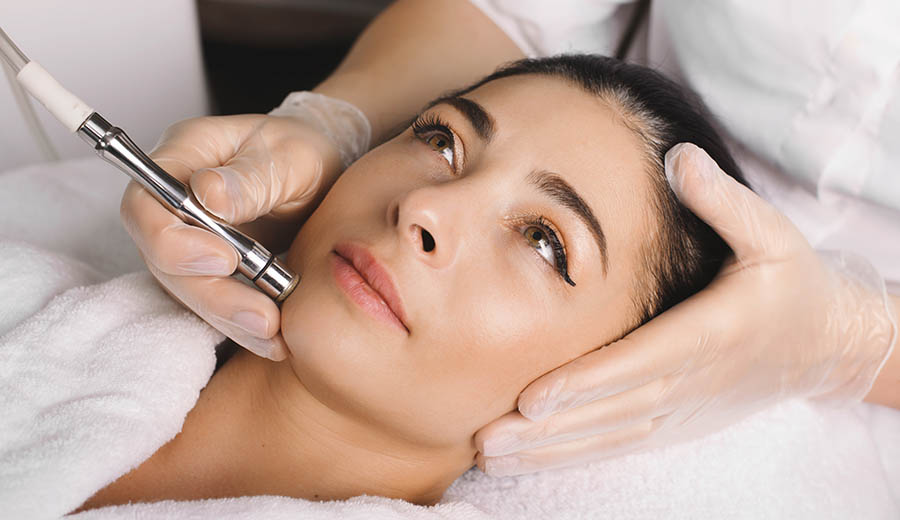
This expert-led course gives aesthetic professionals complete theoretical and practical training in collagen induction therapy. Learn skin anatomy, all microneedling indications, treatment protocols, safety guidelines, and live demonstrations of dermaroller, dermastamp, dermapen, and nappage techniques. Perfect for adding scar revision, wrinkle reduction, and hair restoration to your services. Upon completion, you’ll have the confidence to perform safe, effective treatments for any client concern.
Which Food Has the Most Collagen?
Foods derived from animals that have connective tissue have the highest levels of direct collagen intake. These foods include:
- Bone Broth, especially if made with beef or chicken, as it is simmered to draw out collagen from bones, marrow, and cartilage.
- Chicken Skin, or Pork Skin, or Fish Skin such as Salmon.
- Tough Cuts of Meat such as Brisket, Chuck Roast, or Pot Roast, especially if they have connective tissue.
- Fish, especially if they have their skin and bones, such as Sardines, or Organ Meats.
- Gelatin, which is essentially collagen, is derived from animals.
How Can I Increase My Collagen Naturally?
Your body makes collagen from amino acids and cofactors that require diet, lifestyle, and protection. Marine collagen is the fastest-growing segment at 8.5% CAGR.
Diet:
Eat foods that provide amino acids and cofactors for collagen production:
- Glycine and proline sources: fish, poultry, eggs, dairy products, legumes, beans, soy.
- Vitamin C sources: citrus fruits, berries, bell peppers, tomatoes, leafy greens such as kale and spinach, broccoli.
- Zinc and copper sources: shellfish, nuts and seeds, whole grains, legumes.
Other sources:
- Bone broth.
- Fatty fish that provide omega-3 fatty acids.
- Antioxidants from berries and dark chocolate.
Lifestyle:
- Sleep well.
- Drink plenty of water.
- Engage in regular exercises.
- Do not smoke.
- Limit your intake of sweets and processed foods that cause glycation.
- Apply sunscreens daily because UV light is a major destroyer of collagen.
- Manage your stress levels.
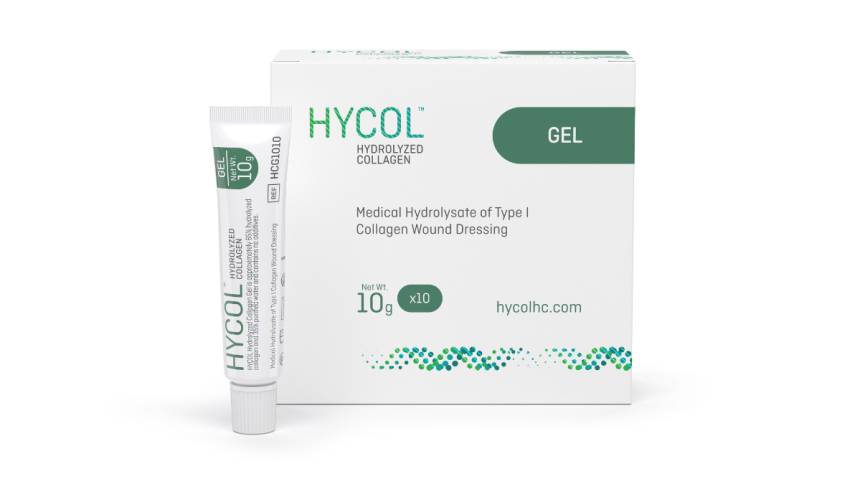
Sanara Hycol® Hydrolyzed Collagen Powder is a medical-grade Type I bovine collagen designed for advanced wound care. With ultra-small fragments approximately 1/100th the size of native collagen, it delivers immediate benefits to the wound bed without requiring the body to break it down first
What Is the Enemy of Collagen?
There are a number of factors that can accelerate collagen breakdown or inhibit synthesis—the main ‘enemies’ being:
- UV/sun exposure – UVA/UVB rays activate enzymes (MMPs) that break down collagen, as well as free radicals, which damage collagen (greatest contributor to premature aging/wrinkles).
- Consumption of sugar/high-glycemic foods – Glycation: sugars attach to proteins, making them stiff and brittle.
- Smoking/tobacco – Chemicals destroy collagen and slow down synthesis.
- Pollution/oxidative stress – Free radicals, caused by environmental factors, damage collagen.
- Excessive drinking and stress – Contribute to breakdown through inflammation.
- Diet (inadequate protein/vitamin C, excessive processed foods), as well as dehydration – Contribute to an unstable structure.
To combat this, use sunscreen with a high SPF daily, stop smoking, avoid sugar, increase antioxidant intake, and drink plenty of water.
Side Effects
Most studies report no serious adverse effects. Like organ damage, hormonal disruption, or increased cancer risk in healthy people. Hydrolyzed collagen is considered safe for most healthy adults at typical doses.
Skin-Related Signs (Most Common and Visible)
Collagen gives the skin its structure, so changes in this area manifest first and in the most dramatic fashion:
- Wrinkles and fine lines – Expression lines, such as those on the forehead, crow’s feet around the eyes, and smile lines/nasal folds, become deeper and more pronounced.
- Sagging or loss of firmness – The skin starts to sag, with the first signs of jowls, hollow cheeks, sunken appearance, sagging skin on the neck, and the mid-face.
- Loss of elasticity/bounce – The skin fails to snap back quickly when pinched, giving the skin a tired appearance.
- Dry, dehydrated, rough skin – The skin looks dull, crepey (paper-like, thin, and wrinkled), or leathery/opaque.
- Thinning skin – The skin feels fragile, papery, or translucent, with increased bruising or visible veins.
- Hollow skin – The skin under the eyes, dark circles, eye bags, temples, and changes in the shape of the face.
- Slowing of healing – Cuts, scrapes, and acne scars take longer to heal, leaving behind unsightly marks.
Conclusion
Yes, collagen production declines with age. No, that doesn’t mean we’re powerless. Science proves we can fight back with bone broth, daily sunscreen, and Hydrolyzed Collagen Peptides. The results speak for themselves: 14% better hydration, 20% fewer wrinkles, and 12% faster nail growth. With the right nutrients—amino acids, vitamin C, zinc—and a protective lifestyle, bouncy skin, strong hair, and vibrant health are achievable at any age.
What’s your #1 collagen goal: glowing skin, stronger hair, better joints, or all of it? Tell me!
Is collagen the same as gelatin?
Gelatin is essentially cooked collagen. When collagen is heated, it breaks down into gelatin. Both provide similar amino acids, but hydrolyzed collagen (collagen peptides) is processed further into smaller fragments for better absorption in cold liquids.
Does collagen help with joint pain?
Yes, particularly Type II collagen. Studies show collagen supplements can reduce joint pain, improve mobility, and may help with osteoarthritis symptoms by stimulating cartilage repair and reducing inflammation. Results typically appear after 3-6 months.
How does collagen interact with other supplements?
Collagen works synergistically with vitamin C (essential for synthesis), hyaluronic acid (for hydration), and silica (for strengthening). It may compete with other proteins for absorption if taken simultaneously, which is why some experts recommend spacing collagen from other protein supplements by 1-2 hours.
How does exercise affect collagen production?
Resistance training and high-intensity exercise stimulate collagen synthesis in tendons, ligaments, and bones by activating mechanotransduction pathways. Exercise creates micro-tears that signal fibroblasts to produce new collagen. Conversely, sedentary lifestyles accelerate collagen decline.
Can topical collagen creams penetrate the skin?
No, collagen molecules are too large to penetrate the stratum corneum. Topical collagen creams act as humectants, attracting moisture to the skin’s surface for temporary plumping. For actual collagen stimulation, ingredients like retinol, vitamin C, and peptides are more effective topically, while oral supplements address deeper dermal layers.
