“Every sip shapes your story — make it one of strength, not struggle.”
Alcohol Awareness for a Healthier Heart, Brain, and Body
In today’s culture, alcohol is more than just a drink—it’s woven into social gatherings, celebrations, and even stress relief rituals. However, its true impact on the heart, brain, and overall wellness is often overlooked.
From short-term effects like slurred speech, poor judgment, and impaired coordination to long-term consequences such as heart disease, liver damage, and dementia, alcohol’s influence extends far beyond the momentary buzz.
This in-depth guide examines how alcohol affects heart health, brain function, and mental well-being, while sharing practical wellness tips and preventive healthcare strategies to support a healthier, more balanced life.
Table of Contents
How Alcohol Affects Heart Health?
Alcohol influences both the structure and function of the body — particularly the heart. While it’s often said that “a glass of wine is good for the heart,” scientific evidence reveals a far more complex and nuanced reality. The potential benefits are limited and often outweighed by the long-term risks associated with regular alcohol consumption.
Alcohol often masks underlying emotional issues. Counseling and therapy help address these root causes through preventive healthcare and behavioral strategies. True wellness begins with balance — both mind and body. Explore expert-backed strategies for improving mental clarity, reducing stress, and strengthening your physical health through fitness, mindfulness, and smart nutrition.
Short-Term Effects of Alcohol on the Heart
In the short term, alcohol can cause noticeable changes in your cardiovascular and physical functioning. It often leads to an increased heart rate and elevated blood pressure (BP), along with dehydration and electrolyte imbalances. Many people also experience temporary heart palpitations, as well as impaired coordination and motor skills, which can increase the risk of accidents or injuries.
Long-Term Effects of Alcohol on the Heart
Prolonged alcohol consumption can lead to serious and often irreversible heart conditions. It may cause alcoholic cardiomyopathy, a weakening of the heart muscle that impairs its ability to pump blood effectively. Over time, this increases the risk of heart disease, stroke, and high blood pressure (hypertension).
Chronic drinking can also trigger pancreatitis and other digestive problems, while weakening the immune system, making the body more susceptible to illness and infection.
The American Heart Association warns that heavy or binge drinking increases the risk of heart attack, arrhythmia, and heart failure.
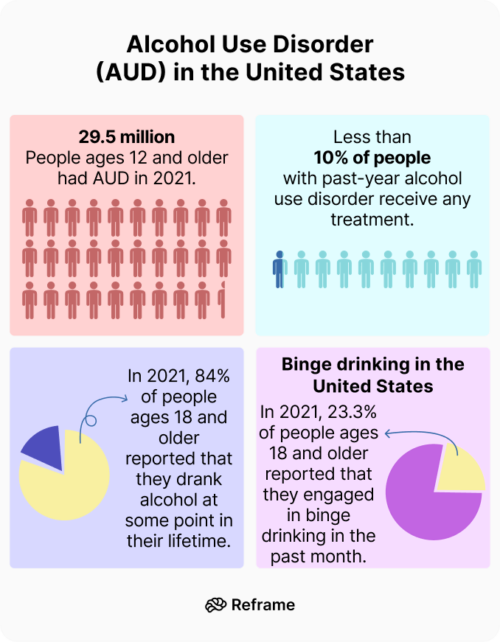
According to the Centers for Disease Control and Prevention (CDC), alcohol affects nearly every organ in the body and is a leading factor in more than 140,000 deaths in the U.S. each year. The CDC provides up-to-date research, data, and prevention tips to help individuals make informed health decisions about drinking habits.
Which Alcohol Is Good for Heart Patients?
Although moderate drinking — defined as up to one drink per day for women and two for men — is often perceived as “safe,” experts caution that any potential heart benefits are due to polyphenols (antioxidants found in grapes and fruits), not the alcohol itself.
For a truly heart-healthy alternative, try a milk shake or protein shake blended with berries and other antioxidant-rich ingredients — offering the same protective benefits without the harmful effects of alcohol. one point further.
🧠 Effects of Alcohol on the Brain
The brain is particularly sensitive to alcohol’s toxic effects. Acting as a central nervous system depressant, alcohol disrupts normal brain chemistry and interferes with key neurotransmitters such as GABA and glutamate. It also damages neurons, the nerve cells responsible for communication, leading to impaired cognitive function, memory problems, and slowed reaction times.
Discover how Artificial Intelligence is transforming fitness routines — from personalized workout plans to smart wearable tracking. Learn how AI helps monitor performance, prevent injuries, and make exercise more effective than ever.
👉 Read more about how AI is reshaping the future of fitness and health.
Short-Term Impacts on the Brain
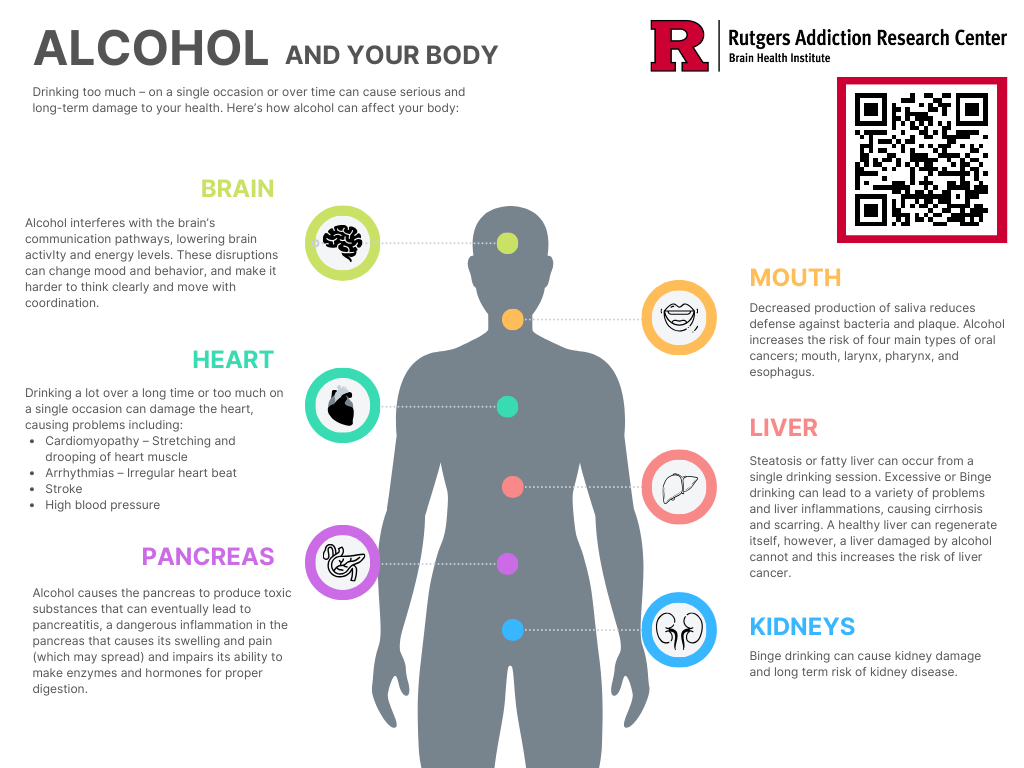
Alcohol’s immediate effects on the brain can alter mood, behavior, and coordination. It often causes lowered inhibitions, leading to risky or impulsive behavior. Many experience temporary euphoria, followed by irritability or sadness as the effects wear off.
Common short-term symptoms include poor judgment and decision-making, slurred speech, coordination problems, and memory gaps or blackouts (amnesia). Additionally, hangovers may bring nausea, vomiting, fatigue, and general discomfort the next day.
Long-Term Impacts on Brain Health
Chronic alcohol use can cause significant and lasting damage to the brain. Over time, it leads to brain atrophy (loss of brain tissue) and neurotoxicity, where alcohol directly harms nerve cells.
These effects contribute to memory loss, intellectual decline, and alcohol-related brain impairment (ARBI). The hippocampus — the part of the brain responsible for learning and memory — is particularly vulnerable, increasing the risk of alcohol-related dementia and long-term cognitive impairment.
Chronic alcohol use has been linked to Wernicke-Korsakoff syndrome, a severe memory disorder caused by vitamin B1 deficiency and alcohol neurotoxicity.
🧩 Alcohol’s Role in Mental Health & Psychology
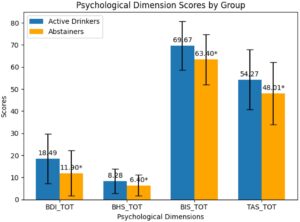
Counselling psychology research shows a direct link between long-term alcohol use and mental health conditions such as depression, anxiety, and alcohol use disorder (AUD).
Psychosocial and Behavioral Effects
- Reduced inhibitions and impulsivity
- Impaired reaction time and concentration
- Addiction and dependency (AUD)
- Mood swings and emotional instability
- Withdrawal symptoms (tremors, anxiety, insomnia)
From early disease detection to personalized treatments, AI is revolutionizing modern healthcare. Discover how machine learning supports diagnostics, improves patient care, and accelerates medical research for better outcomes.
🩺 Alcohol and Other Body Systems
Liver Disease & Digestive Health
Long-term alcohol consumption can lead to serious conditions such as cirrhosis, fatty liver disease, and pancreatitis.
Alcohol also elevates lipid (fat) levels in the blood, increasing calorie intake and contributing to weight gain. Additionally, it disrupts the balance of gut bacteria, which weakens the immune system and heightens the risk of infections and digestive problems.
Infection and Immunity
Excessive alcohol consumption weakens the immune system, increasing the risk of gum disease, urinary tract infections (UTIs), and slower wound healing. By reducing the body’s ability to fight bacteria and other pathogens, alcohol makes even minor infections more severe and recovery more difficult.
According to American Society of Heart Journals.
Reproductive & Pregnancy Risks
Alcohol use during pregnancy can lead to miscarriage, stillbirth, and developmental disorders in babies, collectively known as Fetal Alcohol Spectrum Disorders (FASD).
Health experts emphasize that no amount of alcohol is safe during pregnancy — even small quantities can affect fetal growth and brain development.
💤 Alcohol Impact on Sleep and Fatigue
Although alcohol might make you feel drowsy at first, it actually disrupts REM sleep, leaving you tired, irritable, and mentally foggy the next day. Over time, chronic drinking can lead to insomnia and restless sleep, which further weaken mental health and heart function.
🥤 3. Healthy Alternatives to Alcohol
Education is evolving fast — and AI is at the heart of it. Learn how intelligent tools are personalizing learning, assisting teachers, and enhancing student engagement across the U.S. and beyond.
| Category | Better Choice | Health Benefits |
|---|---|---|
| Beverage | Herbal tea, smoothie, protein shake | Hydration, antioxidants, vitamins |
| Social Drink | Mocktail with fresh fruits | Low sugar, refreshing |
| Night Routine | Warm milk or chamomile tea | Better sleep, relaxation |
| Fitness Drink | Protein shake, green juice | Muscle repair, brain energy |
⚕️ Medical Treatment & Recovery Options
If you or someone you know is struggling with alcohol dependence, seeking medical treatment and counselling psychology support is essential. Professional guidance helps manage withdrawal safely, address underlying emotional factors, and build long-term strategies for recovery and overall well-being. This is a course of Udemy on Health Manifestation Blueprint, Unlocks the Power of Your Mind for Total Wellness.
Treatment Approaches
- Detoxification programs to manage withdrawal safely
- Cognitive-behavioral therapy (CBT) to change drinking behavior
- Medication-assisted treatment (MAT) for cravings
- Nutrition and wellness programs (including milk shakes, protein shakes, and balanced beverages) to restore nutrient levels
Wellness Tips for Recovery
- Replace alcohol with healthy beverages like smoothies or herbal teas
- Track your calorie and sugar intake
- Focus on fitness and wellness checks
- Practice mindfulness, yoga, and aerobic exercises to repair heart and brain function
Cold weather can be harsh on your skin — but with the right routine, you can stay soft and radiant all winter. Protect your skin this summer with science-backed skincare tips for hydration, sun defense, and glowing radiance.
💬 Key Takeaways
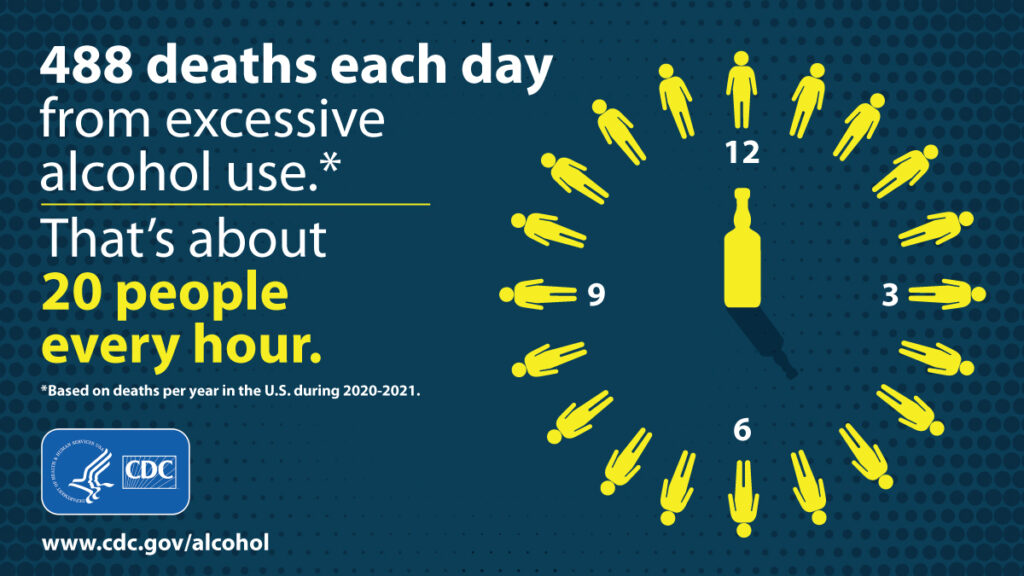
Alcohol affects nearly every system in the body — including the heart, brain, liver, and immune system.
In the short term, it can cause impaired coordination, slurred speech, and poor judgment, while long-term use increases the risk of heart disease, stroke, brain damage, dementia, and mental health disorders.
Preventive healthcare, balanced nutrition, and professional counseling play a vital role in healing and recovery.
✅ Final Thoughts: Choose Wellness Over Alcohol
Your heart and brain are the true engines of your body — keep them strong and protected. Through alcohol awareness, healthy living, and consistent fitness habits, even small daily choices can create lifelong health benefits.
Trade your evening drink for a protein shake, fruit smoothie, or nutrient-rich milk shake to nourish your body instead of draining it. Make self-care a priority, schedule regular wellness checkups, and stay mindful of how your habits shape your health.
Real wellness comes from balance — and your heart and brain thrive when you choose that balance every day.
Connect with people who share your goals — from exploring AI in fitness and medicine to mastering seasonal skincare and mental well-being. Get expert insights, share your progress, and stay motivated through every step of your journey.
👉 Join the conversation. Learn, share, and grow with others who believe that smart living and self-care go hand in hand.
1. What does alcohol do to your heart and brain?
Alcohol affects both the heart and brain by slowing down your nervous system and increasing strain on the cardiovascular system. Short-term use can cause impaired judgment and irregular heartbeat, while long-term drinking raises the risk of heart disease, stroke, and memory loss.
2. Is any amount of alcohol safe for health?
Experts agree that no amount of alcohol is completely safe. Even moderate drinking can increase blood pressure and harm brain function over time. Healthier alternatives like smoothies, herbal teas, or protein shakes can offer benefits without the risks.
3. How does alcohol increase the risk of heart disease?
Alcohol raises blood pressure, increases fat (lipid) levels, and can weaken the heart muscle (a condition known as alcoholic cardiomyopathy). Over time, these effects can lead to heart attacks, strokes, or chronic heart failure.
4. Can drinking alcohol affect your mental health?
Yes. Alcohol can disrupt brain chemistry by altering neurotransmitters such as GABA and glutamate, leading to mood swings, depression, anxiety, and even alcohol use disorder (AUD). Chronic use also increases the risk of alcohol-related dementia and cognitive decline.
5. How does alcohol interfere with sleep and energy levels?
Although alcohol may help you fall asleep faster, it disrupts REM sleep, the most restorative phase of rest. This leads to fatigue, irritability, and poor concentration the next day — especially among long-term drinkers.
6. What is Alcohol-Related Brain Impairment (ARBI)?
ARBI refers to long-term brain damage caused by chronic alcohol exposure. It includes conditions like Wernicke-Korsakoff syndrome, which result from vitamin B1 deficiency and neurotoxicity. Symptoms include memory loss, poor coordination, and difficulty learning new information.
7. How does alcohol affect neurotransmitters and brain structure?
Alcohol alters key neurotransmitters such as GABA, dopamine, and glutamate, slowing brain communication and impairing decision-making. Over time, it can cause brain atrophy — shrinking both gray and white matter — especially in regions controlling memory and emotion, like the hippocampus.

One thought on “Think Before You Drink: The Hidden Truth You Need To Know””