
Peptides have become a powerful ingredient in the constantly changing skincare industry, with the potential to revolutionize your regimen. Peptides for skin care provide a scientifically supported method of attaining healthier, more youthful-looking skin, regardless of your concerns regarding fine lines, loss of firmness, or just wanting a more radiant complexion. Everything you need to know about peptides for skin is covered in this extensive guide, including their types, advantages, and comparisons to other ingredients like ceramides and collagen. We’ll also look at particular applications, like skin-tightening peptides, injectable alternatives, and even regional availability.
Want deeper hydration? Read our complete guide on hyaluronic acid and how it locks moisture into your skin for a plump, dewy glow.
Table of Contents
What Are Peptides and How Are They Good for Skin?
Short chains of amino acids called peptides serve as the building blocks for skin proteins like keratin, collagen, and elastin. They act as messengers, instructing skin cells to carry out particular functions like repairing damage or increasing the synthesis of vital proteins. Because they encourage firmness, elasticity, and general vitality, peptides are beneficial for skin.
Peptides help the skin by improving hydration, strengthening the skin’s barrier function, and lessening the appearance of wrinkles. For example, peptides are beneficial for skin because they can increase the production of collagen, which naturally decreases with age and causes sagging and dullness. Peptides are generally gentler than harsher active ingredients, so they can be used on a variety of skin types.
Source: medicalnewstoday.com
What Should You Look for When Choosing Peptide Skincare Products?
Understanding types of peptides, Here’s a breakdown of the main categories:
| Type | Description | Key Benefits |
|---|---|---|
| Signal Peptides | Stimulate collagen and elastin production (e.g., Matrixyl or palmitoyl pentapeptide-4). | Improves firmness and reduces fine lines. |
| Carrier Peptides | Deliver trace elements like copper (e.g., copper peptides for skin). | Enhances wound healing and antioxidant protection. |
| Enzyme Inhibitor Peptides | Prevent breakdown of collagen (e.g., silk peptides for skin or soybean peptides). | Maintains skin elasticity and smoothness. |
| Neurotransmitter Inhibitor Peptides | Relax facial muscles (e.g., Argireline). | Reduces expression lines, often called “Botox-like” effects. |
Natural peptides for skin, like those derived from silk or collagen, are popular for their biocompatibility, while synthetic ones offer targeted results. Looking toreduce fine lines and acne? Discover howretinol boosts collagen and accelerates skin cell turnover effectively.
Peptides for Skin Benefits: From Tightening to Whitening
There is a large body of research supporting the benefits of peptides for skin. They assist with:
- Specialized Concerns: Peptides for acne prone skin reduce inflammation without clogging pores. Peptides for sensitive skin are gentle and non-irritating. For brightening, some peptides for skin whitening target uneven tone.
- Hydration and Repair: They are perfect for healing or after a workout because they help peptides for skin and muscle recovery and lock in moisture.
- Hair and Beyond: While peptides for skin elasticity improve general resilience, peptides for skin and hair promote scalp health.
User experiences on platforms like Reddit (peptides for skin reddit) often highlight noticeable improvements in texture and glow after consistent use. Your routine should change with the weather. Check out our seasonal skincare guide for winter dryness and summer oil control.
Why Are Copper Peptides Considered a Star Ingredient in Skincare?
- Known for powerful skin-repair and regenerative properties.
- Popular option: GHK-Cu (copper peptide complex).
- Deliver copper ions that help stimulate collagen production.
- Help reduce inflammation and redness.
- Improve skin elasticity and firmness.
- Support wound healing and barrier repair.
- Help even out skin tone over time.
- Especially beneficial for mature and aging skin.
✅ In a 12-week study combining a peptide cream with hyaluronic acid serum, 79 % of users reported improved facial texture, and 50 % saw reduced lines and wrinkles after consistent use. (PubMed)
How Do Injectable Peptides Work for Skin Tightening?
Injectable peptides for skin, such as GHK-Cu or CJC-1295, are the best for targeted firming and skin tightening because they work deeper than topicals. The best injectable peptides for skin tightening accelerate collagen production, resulting in noticeable tightening. Non-invasive alternatives include topical peptides for skin tightening, such as peptide serum.
See a specialist because injecting peptides into the skin carries risks, such as injection-site reactions. For those looking for advanced anti-aging, peptide injections for the skin are the best option. Curious how technology is transforming beauty? Learn howAI in skincare personalizes routines and analyzes your skin concerns.
What Does Scientific Research Say About Peptides and Skin Health?
Medical research increasingly supports the effectiveness of peptides in skincare. Numerous studies highlight their role in reducing skin aging and promoting repair.
A 2025 review in PMC emphasized peptides’ potential in preventing and treating skin senescence. The study noted their ability to enhance collagen synthesis, accelerate wound healing, and support tissue regeneration. Researchers also described peptides as biocompatible ingredients with anti-inflammatory properties. Clinical evidence further strengthens these claims. A randomized, double-blind study published in 2021 found that a peptide serum significantly improved expression lines, wrinkles, and overall skin health after 12 weeks of consistent use.
Research from the National Institutes of Health shows that peptides mimic the body’s natural signaling processes. This helps stimulate collagen production and improve skin structure. Specific peptides, such as palmitoyl pentapeptide-4, have been shown to enhance skin firmness and elasticity.
Oral collagen peptides have also been examined in clinical trials. Results indicate improvements in skin hydration, elasticity, and wrinkle reduction over time. Although more long-term studies are needed, current findings strongly suggest that peptides offer promising anti-aging and skin-repair benefits.
Which ingredients or skincare actives combine well with peptides?
| Feature | Peptides | Collagen | Ceramides | Niacinamide |
|---|---|---|---|---|
| Primary Function | Signal skin to produce collagen | Provide collagen building blocks | Strengthen skin barrier | Regulate oil & improve tone |
| Main Benefit | Anti-aging & repair | Improve elasticity & hydration | Lock in moisture | Brightening & pore refinement |
| How It Works | Stimulates natural collagen production | Supplements collagen levels | Restores lipid barrier | Reduces inflammation & pigmentation |
| Best For | Fine lines, wrinkles, mature skin | Loss of firmness & dryness | Sensitive or damaged skin | Uneven tone, acne-prone skin |
| Long-Term Impact | Supports sustained collagen renewal | Supports skin structure | Improves resilience | Balances and strengthens skin |
| Can Be Used With Peptides? | — | Yes (work synergistically) | Yes (complementary) | Yes (safe and effective combination) |
Struggling with dryness or irritation? Understand eczema triggers and gentle skincare practices that calm inflamed skin.
Peptides for Skin Care Products and Availability in Pakistan
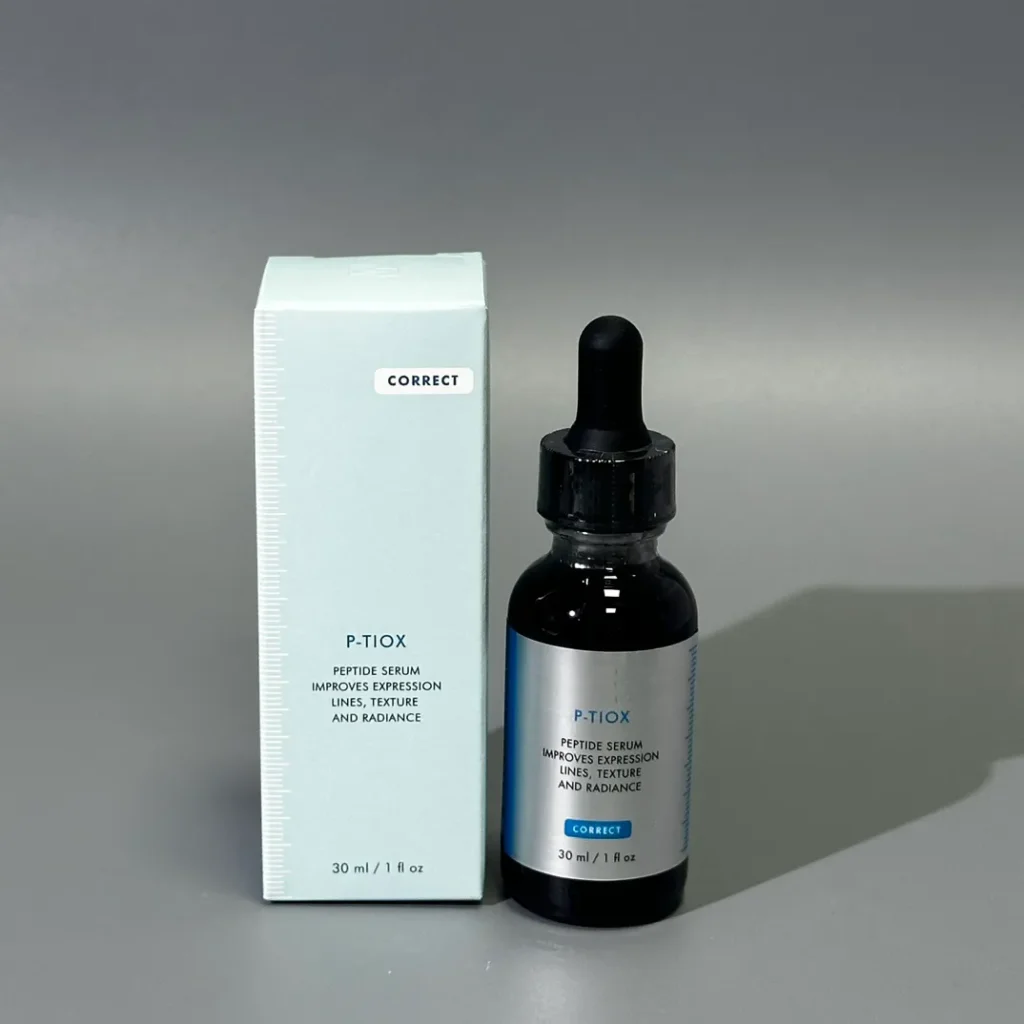
Peptides for skin products include peptides serum for skin, creams, and masks. Topical peptides for skin like peptides for skin care are widely available. In Pakistan, peptides for skin in Pakistan can be found in local pharmacies or online, with brands like The Ordinary offering affordable options.
Can Peptides Cause Allergic Reactions or Irritation?
While peptides are good for skin, peptides for skin care side effects are minimal—mostly mild irritation. Limitations of peptides include poor penetration, requiring advanced formulations. Effects on hormones are rare for topicals but possible with injectables.
Can everyone use peptides? Peptides for good skin suit most, including sensitive skin types, but pregnant individuals or those with hormone sensitivities should consult a doctor.
Final Thoughts: Are Peptides Worth It?

Peptides rejuvenate skin in a way that many active ingredients cannot. They provide a variety of solutions, from peptides for skin tightening to peptides for muscle and skin healing. For optimal effects, incorporate them into skin care products using peptides. For the best peptide benefits for skin, always patch-test and use with sunscreen. Start with a basic serum, whether you’re in Pakistan or somewhere else, and see how your skin changes!
💬 Which peptide works best for your skin? Let us know below!
1. Do peptides affect hormonal balance?
Most cosmetic peptides used in skincare do not affect hormonal balance. Topical peptides work at the skin level by signaling collagen production or supporting repair. They do not penetrate deeply enough to influence systemic hormones. However, injectable or prescription peptide therapies (used medically or for performance enhancement) may impact hormonal pathways and should only be used under medical supervision.
2. Are peptides linked to cancer?
Current research does not show that cosmetic skincare peptides cause cancer. In fact, many peptides are being studied for their potential role in wound healing and even targeted cancer therapies. Cosmetic peptides are generally considered safe when used as directed. That said, individuals with a history of cancer should consult a healthcare provider before using advanced growth-factor or peptide-based treatments.
3. Can peptides be used with vitamin C?
Yes, peptides and vitamin C can be used together. Vitamin C protects against oxidative stress and brightens the skin, while peptides support collagen production and repair. For best results, apply vitamin C in the morning and peptides either after it or in your evening routine to avoid potential formulation conflicts. Always check product instructions for stability and pH compatibility.
4. How do I identify effective peptide-containing skincare products?
To choose an effective peptide product:
Look for specific peptides listed in the ingredient list (e.g., Matrixyl, copper peptides, signal peptides).
Check that peptides appear mid-to-top on the ingredient list.
Choose products in air-tight or opaque packaging to protect stability.
Prefer clinically tested or dermatologist-recommended formulations.
Avoid products with excessive fragrance if you have sensitive skin.
5. Do peptides affect testosterone levels?
Topical skincare peptides do not affect testosterone levels. They are designed to act locally on the skin and do not influence systemic hormone production. However, certain synthetic or injectable peptides used in medical or athletic settings may impact hormonal pathways, including testosterone. These should only be used under professional medical guidance.

One thought on “Unlocking the Power of Peptides for Skin: Benefits, Types, and Expert Insights”