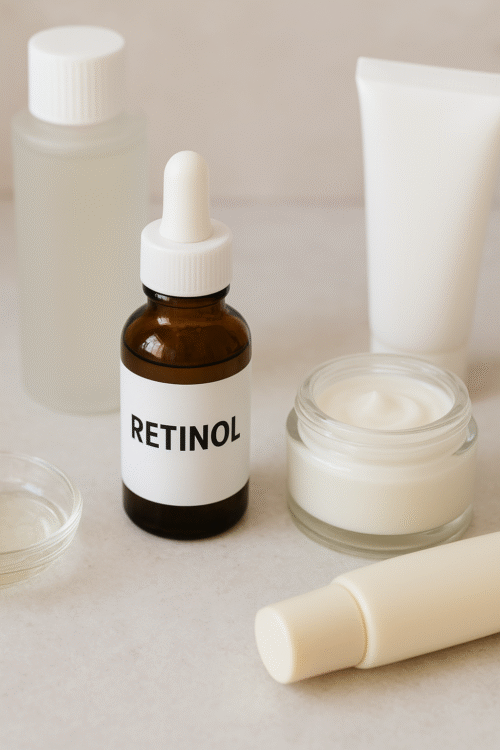
Glow Beyond Expectations.
If you’re aiming for a brighter, more even complexion, this guide explains exactly how retinol fits into your skincare routine. You’ll learn how to target pigmentation, acne marks, and texture—plus how to adjust your routine for oily, sensitive, or dry winter skin.
Understanding the core players
- Retinol: A vitamin A derivative that promotes cell turnover and collagen remodeling. OTC retinol typically comes in 0.1%–1% concentrations. It’s gentler than prescription retinoids but still powerful.
- Pigmentation and acne marks: Post-inflammatory hyperpigmentation (PIH) from acne or sun exposure can fade with time and active ingredients that boost turnover and even tone.
- Vitamin C: An antioxidant that brightens and protects; works well with retinol when layered carefully. Explore how Vitamin C brightens dull skin, fades pigmentation, and protects against daily environmental damage.
- Glycolic acid: An AHA that exfoliates, improving texture and brightness; frequency and strength matter, especially in pregnancy or sensitive skin.
- Hyaluronic acid and ceramides: Hydrating and barrier-supporting ingredients that reduce irritation risk. Learn how hyaluronic acid boosts hydration, plumps the skin, and supports your barrier for smoother, healthier-looking skin.
- Niacinamide (nicotinamide): Supports barrier function, helps with redness, and complements retinol.
- Lip and body care: Lip care, body washes, and body lotions enhance overall routines, especially in winter.
Building a Practical Skincare Routine: From Beginner to Advanced
Building a practical retinol routine depends on your skin type and experience level. Beginners should start gently to avoid irritation. A simple morning routine can include a cleanser, an optional vitamin C serum, a lightweight moisturizer, and broad-spectrum sunscreen. In the evening, cleanse your skin and follow with a niacinamide or ceramide serum. Apply a gentle moisturizer, then use retinol every 2–3 nights. Finish with an extra layer of moisturizer if your skin feels dry. This slow introduction helps your skin adjust safely.
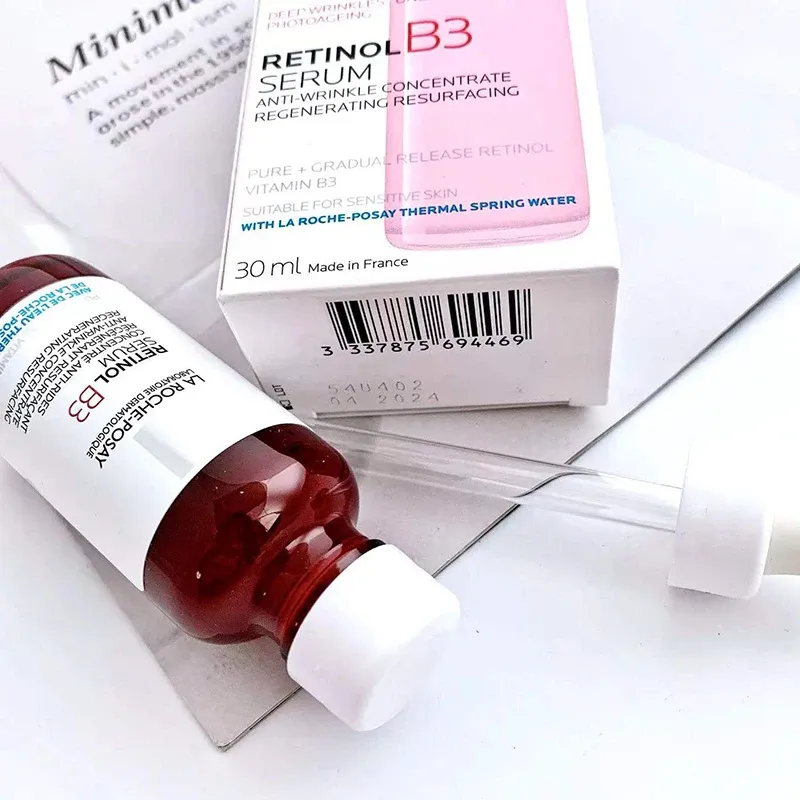
Retinol is available in various forms, including serums, creams, and encapsulated formulations to improve stability and skin penetration.3 5 9 10. Combining retinol with peptides, antioxidants, or niacinamide can enhance results and reduce irritation 12 5. Massage techniques and advanced delivery systems (e.g., nanocarriers) further improve absorption and efficacy 2 6 9.
Once your skin is comfortable, you can move to an intermediate retinol routine using encapsulated or stabilized formulas at 0.3%–0.5%. Maintain retinol use 2–4 nights per week, and pair it with hydrating ingredients like hyaluronic acid or glycerin to support your skin barrier. For experienced users, an advanced retinol routine may include 0.5%–1% retinol a few times weekly.
A trusted academic source explaining the structure, functions, and science-backed benefits of retinol.

What You Can Mix With Retinol vs What You Should Avoid
| Safe to Mix | Why It Works | Avoid Mixing | Why It Irritates |
|---|---|---|---|
| Hyaluronic Acid | Hydrates + reduces dryness | Glycolic Acid (AHA) | Can over-exfoliate the skin |
| Ceramides | Strengthens barrier | Salicylic Acid (BHA) | Adds irritation + dryness |
| Niacinamide | Reduces redness | Benzoyl Peroxide | Cancels retinol + causes peeling |
| Moisturizer | Softens retinol’s impact | Fragrance Products | Increases sensitivity |
Targeting Pigmentation and Acne Marks: Effective Skincare Strategies
Targeting pigmentation and acne marks requires consistent exfoliation and increased skin cell turnover to gradually fade post-inflammatory hyperpigmentation (PIH).
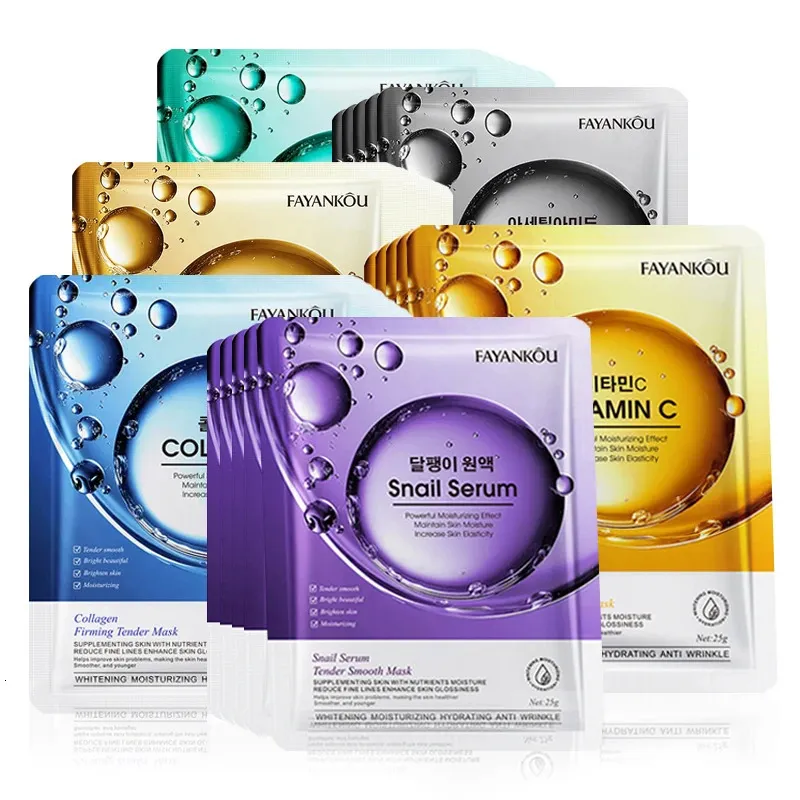
A powerful routine combines retinol at night to accelerate skin renewal, vitamin C in the morning to brighten the complexion and inhibit pigment production, and glycolic acid 1–2 times per week for gentle surface exfoliation. Together, this trio helps fade dark spots more effectively over time. Avoid layering strong acids with retinol on the same night if you notice irritation, as over-exfoliation can increase sensitivity. Revitalize your skin with our 10pcs C Niacinamide Retinol Face Masks.
Daily broad-spectrum SPF 30+ is essential because sun exposure slows pigment recovery and can darken existing spots. Seasonal changes also matter—during winter, skin tends to become drier and more reactive. Reduce the frequency or strength of active ingredients and focus on hydration and barrier-supporting products to maintain results safely.
Dive into Korean skincare principles, including gentle exfoliation, layering hydration, and glow-enhancing routines.
Skincare Tips for Oily Skin, Sensitive Skin, and Maintaining Barrier Health
Managing oily skin, sensitive skin, and overall barrier health requires a targeted approach when using retinol.
For oily skin, focus on lightweight hydrating serums and non-comedogenic moisturizers. Retinol can help regulate excess oil production and improve skin texture, making the skin smoother over time. Those with sensitive skin should choose the gentlest retinol options, such as low-concentration or encapsulated formulas. Always patch test first, and consider buffering the application with a moisturizer to minimize irritation.
Maintaining a strong skin barrier is essential for anyone using retinol. Incorporate ceramides, fatty acids, and humectants like hyaluronic acid, and avoid heavy exfoliation or fragrance-based products that can weaken the barrier. With the right balance, retinol can be safely integrated into routines for oily, sensitive, or compromised skin while supporting long-term skin health and resilience.
Find out how to protect your skin in Winter with deeper hydration, barrier-repair ingredients, and dry-weather routines.
Skincare Product Recommendations and Effective Ingredient Pairings
Retinol doesn’t work instantly on the surface—your skin actually has to convert it into active retinoic acid before it can start repairing cells.
Choosing the right retinol products and ingredient pairings is key to enhancing results while minimizing irritation.
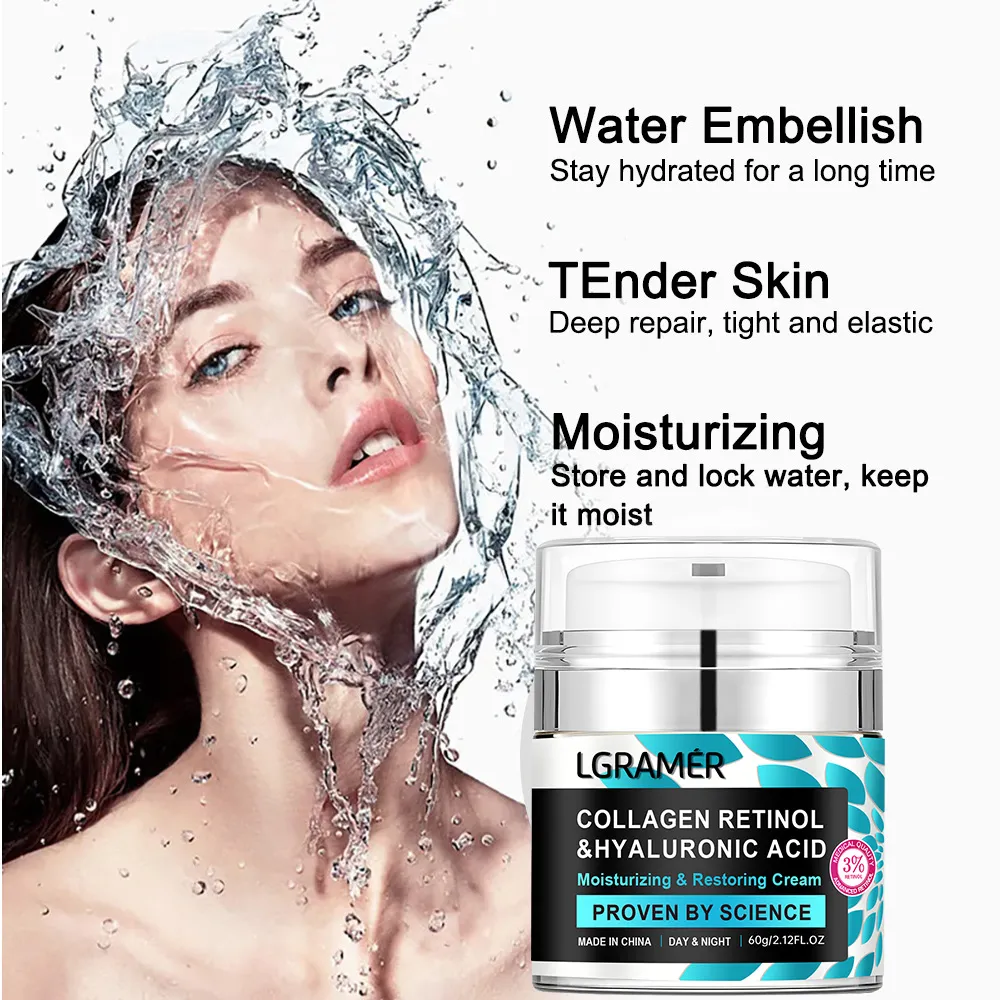
Look for encapsulated or stable retinol formulations that release slowly into the skin, making them ideal for beginners and sensitive skin types. Packaging also matters—opaque, airtight bottles help prevent oxidation and maintain retinol’s effectiveness for longer.
Everyday essentials that strengthen a retinol routine also include a broad-spectrum SPF 30+ sunscreen to protect your skin and maintain results. Discover essential summer skincare tips, from lightweight hydration to sun protection and heat-safe ingredient combinations.
How to Use Glycolic Acid Safely in Your Skincare Routine
Using glycolic acid safely is essential for achieving smoother, brighter skin without irritation. Glycolic acid exfoliates dead skin cells, improves texture, and enhances overall radiance, making it a popular choice for dullness and uneven skin tone.
During pregnancy, lower concentrations of glycolic acid are generally considered safer, but it’s always best to consult a healthcare professional. Avoid high-strength chemical peels or aggressive exfoliation protocols during this time.
In terms of frequency, many people benefit from using glycolic acid 1–3 times per week, while daily use is only suitable for very resilient skin and may increase the risk of redness or sensitivity.
It’s important to avoid glycolic acid if you have active dermatitis, eczema, or extremely sensitive skin, as exfoliating acids can worsen inflammation.
With mindful use, proper monitoring, and pairing with hydrating and barrier-supporting products, glycolic acid can be a powerful exfoliating step in a healthy skincare routine. Explore how artificial intelligence is transforming diagnostics, personalized skincare, wellness tracking, and global healthcare systems.
Spotlighting Body Skincare: Tips for Healthy, Glowing Skin Beyond Face
When it comes to skincare, it’s important to spotlight the body, not just the face. Glycolic acid body washes and exfoliators can be especially effective for treating keratosis pilaris (“chicken skin”) and improving dull, rough areas on the arms and legs by boosting exfoliation and skin renewal. During colder months, the body’s skin barrier becomes more vulnerable, making ceramide-rich body moisturizers and humectants essential for maintaining hydration and preventing dryness. Don’t overlook lip care and hand care, as these areas are often the first to show signs of dehydration, irritation, and environmental stress. A consistent routine that includes exfoliation, barrier repair, and targeted moisture keeps the entire body smooth, healthy, and resilient year-round.
Read about the connection between mental well-being and skin health, stress management, and holistic self-care routines.
Winter Skincare Essentials: Protect and Hydrate Skin
When it comes to healthy, resilient skin, hydration is king. Lightweight serums with hyaluronic acid and moisturizers containing glycerin help attract and retain moisture, while richer night creams strengthen the barrier as you sleep. Adapting your routine to the weather is equally important—layer products in the correct order, avoid heavy fragrance irritants, and use a thicker moisturizer during cold or windy conditions to prevent moisture loss. Don’t forget hand and lip protection: wearing gloves outdoors and keeping lips and fingertips moisturized helps prevent cracking, peeling, and irritation. With the right hydration-focused routine, your skin stays smooth, comfortable, and protected year-round.
Common Skincare Myths and Realities: What You Really Need to Know
Understanding common skincare myths and realities is essential for building an effective routine.
One popular misconception is that “stronger is always better.” Retinol and exfoliating acids work best when matched to your skin type and tolerance. Using overly strong formulas too quickly can trigger irritation rather than results.
Another myth claims that “retinol thins the skin.” In reality, retinol supports healthy cell turnover and boosts skin resilience over time when used properly. Misuse may cause temporary irritation, but it does not thin the skin.
Some people also believe that glycolic acid is incompatible with vitamin C, but both can coexist in a balanced routine. Many successfully use vitamin C in the morning for brightening and antioxidant protection, while applying retinol at night to support renewal.
Knowing the truth behind these myths helps you create a safe, effective skincare routine with long-term benefits and visible results. A detailed academic explanation of retinol’s biochemical role, structure, functions, and its use in skincare and nutrition. ScienceDirect. (n.d.). Retinol – Overview and functions. Retrieved from https://www.sciencedirect.com/topics/food-science/retinol
Troubleshooting and signals to pause
Effective skincare requires knowing when to continue and when to pause, especially when using actives like retinol or glycolic acid.
If you experience redness, peeling, or burning, it’s a sign to reduce frequency, switch to a gentler formulation, or increase hydration. Buffering retinol with a moisturizer can also help minimize irritation.
Understanding purging vs. irritation is key. Purging is temporary and occurs as clogged pores clear, usually lasting a few weeks. Irritation, however, shows up as persistent redness, stinging, or worsening sensitivity.
It’s important to see a dermatologist if you develop severe reactions, prolonged redness, swelling, or if you have active skin conditions such as eczema or rosacea, which may require professional guidance.
Recognizing these signals early ensures you maintain a safe, effective, and skin-friendly skincare routine.
A Simple Starter Skincare Routine You Can Try
A simple and effective skincare routine can help improve skin texture, hydration, and overall radiance.
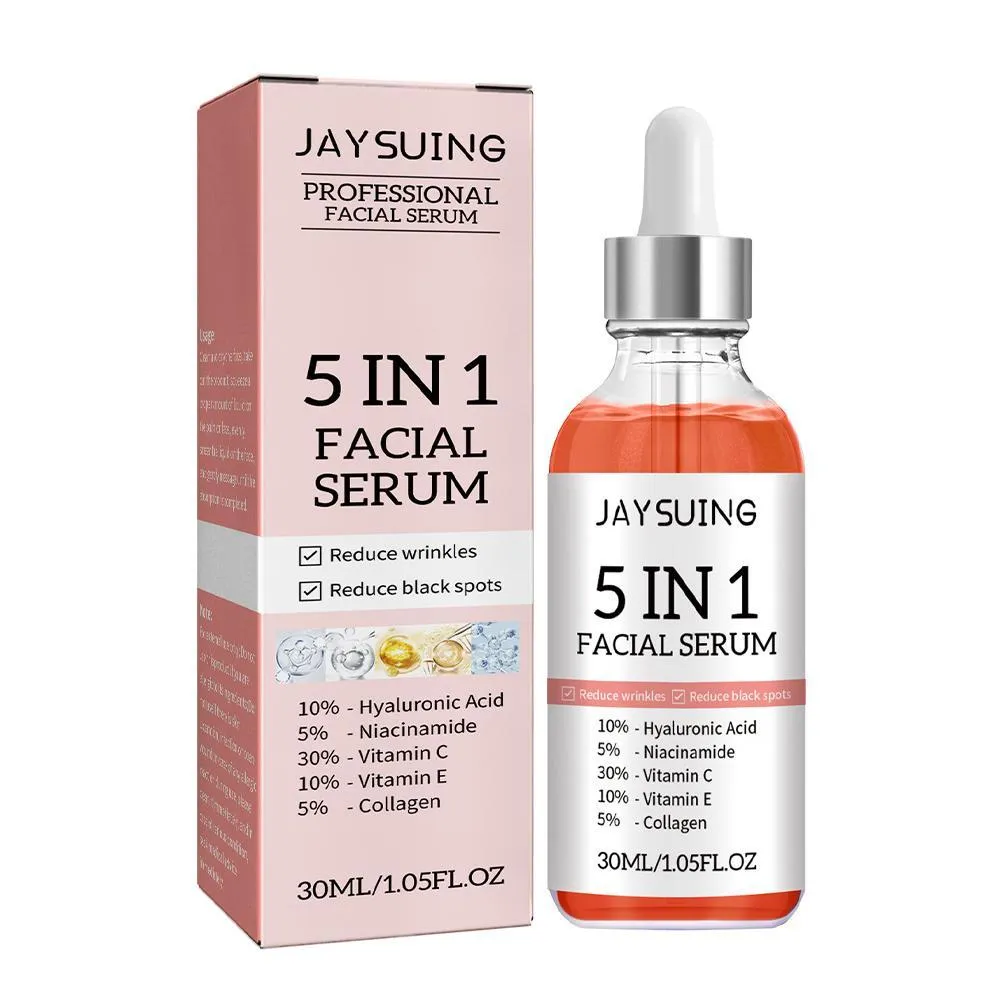
Morning routine: Start with a gentle cleanser to remove impurities. Follow with an optional Vitamin C serum for brightening and antioxidant protection. Apply a niacinamide or ceramide serum to strengthen the skin barrier, then lock in moisture with a hydrating moisturizer, and finish with a broad-spectrum sunscreen to protect against UV damage.
Evening routine: Begin with a cleanser, followed by a hydrating serum like hyaluronic acid to boost skin hydration. Apply a retinol serum (0.3%–0.5%) 2–3 nights per week initially, gradually increasing frequency as your skin builds tolerance. Finish with a moisturizer to nourish the skin overnight.
Once your skin is comfortable, you can introduce glycolic acid 1–2 times weekly for gentle exfoliation. Avoid using it on the same nights as retinol if you notice sensitivity.
This routine is ideal for beginners aiming to improve skin tone, reduce fine lines, and maintain a healthy, glowing complexion.
A note on safety and sources
- Patch testing is recommended for all actives.
- Read product labels for concentration, encapsulation, and pH considerations.
- If you’re unsure about combining ingredients or have preexisting conditions, consult a dermatologist.
💬 “Ready to transform your skin? Start your simple, effective skincare routine today and see visible results! Don’t forget to patch test and consult a dermatologist for personalized guidance.”
References & citation
Use of Retinoids in Topical Antiaging Treatments: A Focused Review of Clinical Evidence for Conventional and Nanoformulations (Published Oct 11, 2022 · DOI · Daniela Milosheska, R. Roškar)
Cosmetic retinoid use in photoaged skin: A review of the compounds, their use and mechanisms of action (Published Aug 11, 2024 · DOI · B. Mambwe, Kieran T. Mellody, Orsolya Kiss)
Recommendations to Improve Outcomes in Acne and Acne Sequelae: A Focus on Trifarotene and Other Retinoids (Published Feb 21, 2025 · DOI · Naiem Issa, Andrew F. Alexis, Hilary E Baldwin)
1. How often should I use 0.3%–0.5% retinol?
Most people can use 2–4 nights per week, depending on skin tolerance. Increase gradually as irritation decreases.
2. Can I combine retinol with vitamin C or glycolic acid at this stage?
Yes, but not on the same night if your skin is still adjusting. Try vitamin C in the morning and retinol at night. AHA nights should alternate with retinol.
3. What should I do if my skin feels tight or stings?
Add hyaluronic acid, ceramides, or a barrier-repair moisturizer. You can also use the sandwich method (moisturizer → retinol → moisturizer).
1. Can I use retinol 0.5%–1% every night?
You can, but only if your skin shows zero irritation on current usage. Most experts still recommend 3–5 nights/week to avoid long-term sensitivity.
2. Is it safe to layer retinol with glycolic acid or vitamin C?
Yes, but only for experienced users with a strong barrier. Use retinol on one night, glycolic or vitamin C on alternate nights, and always follow with hydration.
3. When should I upgrade from retinol to prescription-strength retinoids?
Consider upgrading if you’re using 0.5%–1% comfortably, but still struggling with deep pigmentation, stubborn acne, or if you want stronger anti-aging results. Consult a dermatologist before switching.

2 thoughts on “Retinol Skincare Routine: Benefits, How To Start, And What To Avoid”